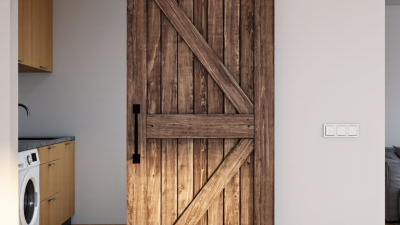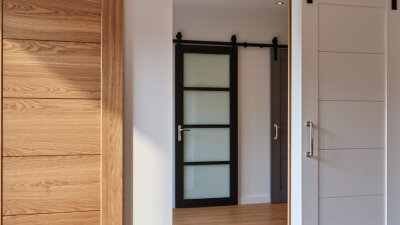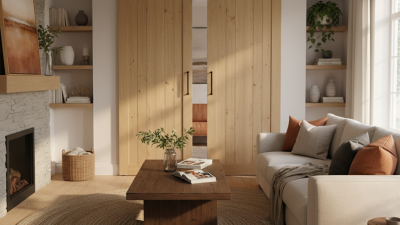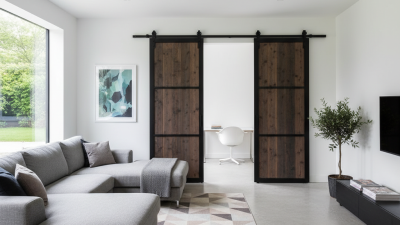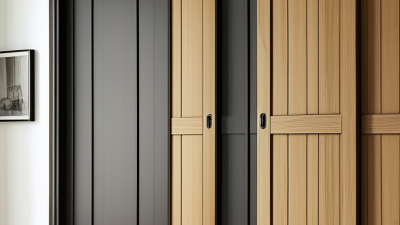
Choosing the right interior barn doors manufacturer requires more than attractive photographs and low prices. A reliable supplier must combine stable materials, accurate machining, dependable hardware, and responsive service. This matters because a sliding door may carry a heavy oak panel every day, often in a narrow hallway or busy bedroom entrance.
Door hardware educator Gary Katz offers a useful principle: “A door is only successful when it operates as well as it looks.” That idea fits interior barn doors perfectly. Buyers should examine track strength, roller smoothness, soft-close performance, wall clearance, and installation guidance. Small details matter. A loose handle or uneven rail can quickly damage the user experience.
This guide reviews China’s top 10 interior barn doors manufacturers through practical criteria, including product range, customization ability, material quality, export experience, factory control, and after-sales support. It considers solid wood, glass, metal, and mixed-material designs. It also looks beyond polished catalogs, because impressive images do not always prove consistent production.
Some rankings may remain subjective. Factory information can change. That deserves reflection. Still, supplier interviews, product evidence, certifications, project experience, and customer feedback can create a more dependable comparison. Whether you need doors for a modern apartment, boutique hotel, office, or custom renovation, this overview aims to make the selection process clearer, more realistic, and easier to verify.
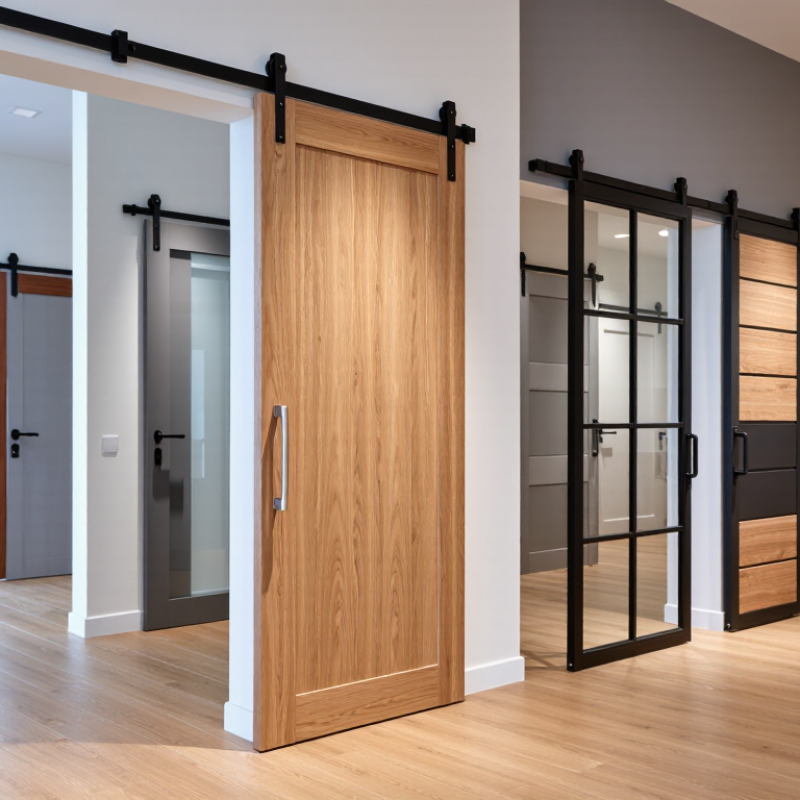
Interior barn doors are sliding doors mounted on an exposed horizontal track. Unlike hinged doors, they need little swing space, making them useful for bedrooms, studies, pantries, and compact apartments. Their visible rollers and timber panels also create a strong architectural detail. However, appearance cannot replace performance. Door thickness, track load capacity, soft-close control, wall strength, and sound reduction should be checked before purchase.
Industry reports show continuing demand. Grand View Research estimates the global interior doors market will expand at roughly 5% annually through 2030, supported by housing renovation and space-efficient design. China remains a major manufacturing center; World Trade Organization data recorded more than US$3.5 trillion in Chinese merchandise exports in 2023. This industrial scale supports material sourcing, CNC cutting, powder coating, packaging, and customized production under one supply network. Chinese manufacturers can also provide different wood finishes, steel tracks, glass panels, and installation hardware for project-specific orders.
Quality still varies. A low price may hide thin panels, noisy rollers, or weak packaging. I would request test samples, installation drawings, moisture information, and load-test records. Standards such as ISO 10140 can help evaluate airborne sound insulation, although interior barn doors rarely match solid acoustic doors. This matters. Buyers should inspect factory experience, inspection procedures, replacement-part support, and export documentation. Cost efficiency is valuable, but it should never excuse a door that sticks after a few months.
Evaluating China’s top interior barn door manufacturers requires more than comparing catalog prices. Inspect the factory’s production records, not only its showroom. China scored 3.7 out of 5 in the World Bank’s 2023 Logistics Performance Index, ranking 19th among 139 economies. This supports export capability, but it does not prove product consistency. Ask for recent inspection reports, ISO 9001 evidence, material specifications, and batch traceability. A reliable supplier should explain door-core density, veneer moisture content, track thickness, and roller load limits clearly.
Test a physical sample before signing a large order. Measure panel thickness, edge alignment, and track straightness. Check whether the rollers move quietly after repeated cycles. For humid rooms, request moisture testing and finish adhesion results. A common mistake is trusting a beautiful sample. Production tolerances can still vary. Confirm acceptable limits in writing, such as a two-millimeter alignment tolerance and documented packaging standards. Freight damage often begins with weak corner protection.
Tips: Compare at least three factories using the same checklist. Request a video showing cutting, sanding, assembly, and final inspection. Review carton dimensions before booking freight. The cheapest quote may hide thinner steel, weaker fasteners, or incomplete accessories. Also, ask how defects are recorded and corrected. If answers remain vague, pause. Even experienced buyers can overlook small hardware differences that later create installation problems.
China’s top 10 interior barn door manufacturers operate within a wider interior doors market. Grand View Research projects this market to expand at approximately 5% annually through 2030. However, most reports do not separate barn doors from other sliding interior systems. That limitation matters. Buyers should avoid treating broad market figures as exact barn door demand.
Experienced sourcing teams usually inspect panel stability, track performance, and finishing consistency. A reliable factory should provide wood moisture readings, often near 8–12% for kiln-dried timber. It should also document load testing and repeated opening cycles. Hardware should match recognized sliding-door standards, such as EN 1527, where applicable. Small details reveal quality. Smooth rollers matter.
The top 10 manufacturers should be compared through factory audits, sample approval, and production records. ISO 9001 certification can support process control, but it does not guarantee attractive doors. Ask for recent inspection reports, packaging photographs, and replacement procedures. The Freedonia Group identifies remodeling as a major demand driver for interior door products, supporting continued interest in space-saving designs. Still, customization can create delays and inconsistent color matching. My practical concern is simple: a polished sample may hide weak edge sealing. Verify the unseen parts.
When comparing China’s top ten interior barn door manufacturers, design is rarely the weak point. Factory teams can reproduce slim black frames, fluted glass, concealed tracks, and custom widths quickly. The harder question is consistency. A 2024 Mordor Intelligence interior doors report highlights space-saving design and renovation demand as major market drivers. It does not certify factory quality. That distinction matters. Request full-size corner samples, not polished photographs. Test the track for smooth movement and noise.
Materials reveal sharper differences. Solid pine can reduce cost, but it may move in humid rooms. Engineered wood usually offers better dimensional stability. Tempered glass improves safety, while thin steel may dent at the edge. China’s furniture and parts exports reached roughly US$73 billion in 2023, based on China Customs data cited by the China National Furniture Association. Statista Market Insights estimated China’s furniture market at around US$80 billion in 2024. This scale supports competitive pricing, yet volume is not proof of craftsmanship. My own practical concern is often overlooked: a beautiful sample can hide uneven finishing on the production line.
Tips: Ask for moisture testing, coating thickness, load ratings, and a written tolerance range. Inspect ten random doors from one batch. One sample is never enough. Also check packaging corners; damage often begins there. A factory may meet every drawing requirement and still miss the quiet, solid closing feel buyers expect.
The chart presents typical interior barn-door panel thicknesses commonly specified in the Chinese market by material. Values are reference midpoints from standard product ranges, not company-specific rankings.
Material thickness affects visual weight, durability, installation requirements, and hardware selection. Thickness alone does not determine quality; buyers should also review finish consistency, moisture resistance, hardware load ratings, corrosion protection, and cycle-testing results.
China Top 10 Interior Barn Doors Manufacturers
Choosing an interior barn door manufacturer requires more than comparing catalog photos. Study the factory’s experience with your door material, opening size, and installation conditions. A solid supplier should provide clear drawings, hardware specifications, and realistic production schedules. Ask for recent project samples, not only polished showroom images. Small details matter.
Request a sample finish before approving mass production. Check the color under daylight, inspect the wood joints, and test the rollers quietly. Confirm the door weight, track length, wall structure, and clearance requirements. An experienced manufacturer should explain these points without vague promises. Verify quality procedures, packaging methods, and available inspection records. Written communication is valuable here.
My own selection process has not always been flawless. I once focused too heavily on price and overlooked replacement hardware availability. That mistake created delays. A reliable manufacturer should answer technical questions quickly and admit limitations when necessary. Discuss payment terms, warranty coverage, spare parts, and after-sales support before signing. Confirm export documents and packaging protection for long-distance shipping. Ask who checks the final dimensions. Details reveal professionalism.
| Rank | Manufacturer Profile | Primary Door Types | Core Materials | Typical Door Size Range | Finish Options | MOQ | Sample Lead Time | Bulk Lead Time | Customization Capability | Quality and Export Documents | Warranty Benchmark |
|---|---|---|---|---|---|---|---|---|---|---|---|
| 1 | Profile A | Solid wood, glass-panel, double and bypass barn doors | Pine, rubberwood, oak veneer and MDF core | 600–1200 mm wide; 1800–2400 mm high | Painted, stained, distressed and natural veneer | 20 sets | 10–15 days | 25–35 days | Custom dimensions, panel layouts, colors and hardware packages | Pre-shipment inspection, fumigation documents and commercial export paperwork | 12 months |
| 2 | Profile B | Modern flush, shaker and minimalist sliding doors | Engineered wood, HDF, plywood and aluminum components | 700–1100 mm wide; 1900–2300 mm high | Matte paint, woodgrain laminate and UV coating | 30 sets | 12–18 days | 30–40 days | CAD-based sizing, surface color matching and private-label packaging | Material inspection reports, packing list and installation drawings | 12 months |
| 3 | Profile C | Traditional X-panel, Z-panel and farmhouse doors | Solid pine, fir, hemlock and reclaimed-style wood | 600–1200 mm wide; 1800–2500 mm high | Whitewash, walnut, espresso, black and custom stains | 15 sets | 10–14 days | 25–32 days | Panel count, edge profile, distressing level and color customization | Moisture-control records, product specifications and export packing documents | 12 months |
| 4 | Profile D | Glass barn doors, French-style and room-divider systems | Tempered glass, MDF, plywood and steel hardware | 700–1500 mm wide; 1800–2600 mm high | Clear, frosted, reeded, smoked and painted glass frames | 10 sets | 15–20 days | 30–45 days | Glass thickness, frame color, divider pattern and track length customization | Glass compliance records, hardware inspection and installation instructions | 12 months |
| 5 | Profile E | Compact doors for closets, pantries and bathrooms | MDF, laminated board, plywood and lightweight honeycomb core | 450–900 mm wide; 1800–2200 mm high | Solid colors, woodgrain, satin and moisture-resistant coatings | 50 sets | 7–12 days | 20–30 days | Standardized sizes, edge banding, handle positions and kit configurations | Material specifications, carton test records and assembly guides | 12 months |
| 6 | Profile F | Heavy-duty solid wood and double sliding door systems | Oak, ash, rubberwood, laminated timber and steel | 800–1800 mm wide; 1900–2800 mm high | Natural oil, clear lacquer, stained and hand-finished surfaces | 10 sets | 15–22 days | 35–50 days | Oversized doors, reinforced tracks, custom joinery and project-based engineering | Load-capacity data, wood treatment records and detailed shop drawings | 18 months |
| 7 | Profile G | Industrial-style doors with metal frames and exposed hardware | Steel, aluminum, glass, MDF and plywood | 600–1400 mm wide; 1800–2500 mm high | Powder coating, brushed metal, blackened steel and wood effects | 20 sets | 12–18 days | 28–40 days | Frame profiles, glass types, surface coatings and track configurations | Coating inspection, dimensional checks and installation hardware schedule | 12 months |
| 8 | Profile H | Eco-focused doors made from low-emission engineered materials | FSC-style wood options, bamboo, recycled board and water-based coatings | 600–1100 mm wide; 1800–2400 mm high | Natural, low-VOC paint, bamboo tone and clear water-based finish | 25 sets | 14–20 days | 30–45 days | Material substitutions, low-emission finishes, sizes and packaging options | Material declarations, coating data sheets and packaging specifications | 12 months |
| 9 | Profile I | Apartment, hospitality and multi-unit project doors | Engineered wood, veneer, MDF and commercial-grade steel hardware | 600–1000 mm wide; 1900–2400 mm high | Uniform laminate, veneer, painted and easy-clean finishes | 100 sets | 15–20 days | 35–50 days | Batch color consistency, room-by-room labeling and consolidated shipment planning | Batch inspection reports, palletization plan and project installation schedule | 12 months |
| 10 | Profile J | Budget-friendly ready-to-assemble barn door kits | MDF, pine, plywood, zinc-plated steel and aluminum | 600–1000 mm wide; 1800–2200 mm high | White, gray, black, natural wood and printed woodgrain | 50 sets | 7–14 days | 20–35 days | Standard size selection, kit components, carton design and instruction inserts | Assembly instructions, carton inspection and standard export documents | 12 months |
Selection note: The profiles and figures above are practical industry benchmarks for comparing Chinese interior barn-door suppliers. Confirm material specifications, certifications, production capacity, lead times, warranty terms and test reports directly with each shortlisted manufacturer before placing an order.