How to Choose the Best Pocket Door for Your Home?
Choosing the right pocket door can truly transform your space. According to John Smith, a leading expert in interior design, "A well-chosen pocket door can redefine the flow of your home." These doors save space and add a modern touch. However, selecting the perfect one isn't always straightforward.
Pocket doors come in various styles and materials. This diversity can make decisions overwhelming. Homeowners often face challenges regarding dimensions and finishes. It’s essential to measure your space accurately and consider the overall aesthetic. Many forget these critical steps, and it leads to costly mistakes.
Installation can also be tricky. Expertise is required to ensure a smooth operation. Some people underestimate this aspect, resulting in doors that don't function properly. Researching various options helps you avoid common pitfalls. A little attention to detail can make all the difference in your pocket door experience.
Selecting Pocket Door Types Based on Structural Requirements and Space Needs
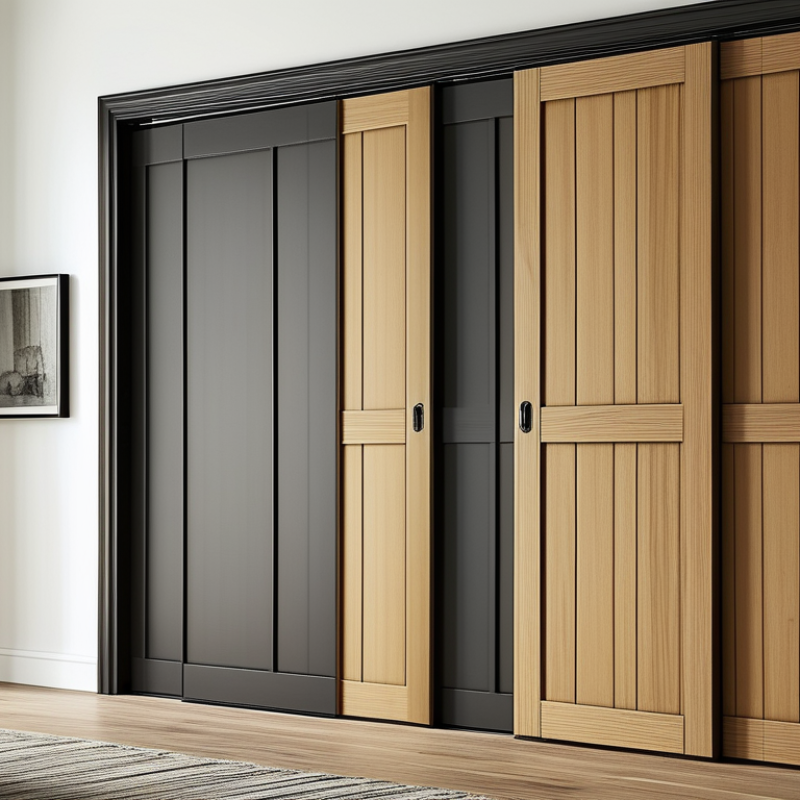
When choosing a pocket door for your home, consider both structural requirements and your space needs. The type of wall construction you have is crucial. For instance, traditional wood framing allows for versatile installation options, while solid masonry walls may require additional support. Assess the weight and materials of the door as well, since heavier doors might necessitate a more robust track system.
Space-saving is another vital concern. Pocket doors slide into the wall, freeing up floor space, which is great for smaller areas. However, this also means you’ll need adequate wall depth to accommodate the door when it’s open. It’s worth noting that some homes may not have sufficient depth, leading to a need for compromise.
Consider the aesthetic of your pocket door too. Glass doors can make a room feel larger and brighter. But if privacy is priority, solid wood or composite options work better. Some installations might present challenges, causing frustration during implementation. Carefully gauge your needs and don't hesitate to seek professional advice. Making an informed choice can enhance both form and function in your living space.
How to Choose the Best Pocket Door for Your Home?
| Pocket Door Type |
Material |
Recommended Space Size |
Structural Requirements |
Typical Use |
| Single Pocket Door |
Wood, Glass, Hollow Core |
Minimum 30 inches width |
Standard wall framing |
Bedrooms, Bathrooms |
| Double Pocket Door |
Wood, Glass |
Minimum 60 inches width |
Reinforced framing required |
Living Rooms, Entryways |
| Bypass Pocket Door |
Wood, Composite |
Variable width based on installation |
Standard wall framing |
Closets, Storage Areas |
| Pocket Barn Door |
Wood, Metal |
Minimum 36 inches width |
Support for heavy door |
Farmhouses, Modern Spaces |
| Pocket Pocket Door |
Composite, Glass |
Standard width varies |
Requires custom framing |
Open Floor Plans |
Evaluating Material Choices for Durability and Aesthetic Appeal in Pocket Doors
When selecting pocket doors for your home, material choices are crucial for both durability and aesthetic appeal. Wood is a traditional favorite, offering warmth and charm. Mahogany and oak are popular options that can withstand everyday wear while providing a rich look. These woods can be stained or painted to match your interior decor, allowing for customization.
Metal doors are another option, especially for modern spaces. They are highly durable and resistant to damage. A brushed stainless finish can add a sleek, contemporary touch, while also being easy to clean. However, metal can sometimes feel cold and uninviting. Consider how it fits within the overall design of your home.
In your selection process, evaluate how each material complements your style. Look for the balance between beauty and function. Test the weight and movement of different doors. Remember that even high-quality materials may show signs of wear over time. It's essential to choose something that not only looks good but can also endure years of use.
Understanding Pocket Door Sizes and Opening Mechanisms for Optimal Functionality
Choosing the right pocket door requires understanding its sizes and mechanisms. Pocket doors slide into the wall, saving space. Their sizes can vary widely, usually from 24 to 36 inches in width. It's essential to measure your opening accurately before shopping. An ill-fitting door can be frustrating. Keep in mind the wall's thickness; standard walls often need doors sized accordingly.
Opening mechanisms can also differ. Some doors use a simple track system, while others may feature more complex mechanisms. A smoother operation might require better hardware. Some homeowners overlook maintenance, which can lead to issues later. Regularly check the tracks for debris and ensure the rollers are well-lubricated. These minor details can significantly affect functionality.
Choosing the best pocket door is not just about aesthetics. Consider how it fits into your space and daily routine. Think about the traffic flow in your home. Does a pocket door enhance accessibility? Sometimes, it's worth reevaluating how these doors function with your layout. This ensures that your investment in a pocket door will truly serve its purpose.
Analyzing Installation Considerations and Costs for Pocket Door Systems
When considering pocket doors, installation is a key aspect. These doors slide into the wall, saving space. But the installation is not always straightforward. You must assess the wall structure, electrical wiring, and plumbing. It's essential to have a clear understanding of where the door will fit. Unexpected obstacles can increase complexity.
Costs can vary widely depending on several factors. Basic pocket door systems may be less expensive, but quality matters. Higher-end materials and mechanisms can ensure longevity. Installation costs also differ based on your location and whether you hire a professional. DIY enthusiasts must factor in their skill level and time commitment. Accurate budgeting is crucial to avoid surprises down the line.
Many forget to consider future needs. A pocket door may limit access when furniture changes. Maintenance is another area to reflect on. Regular checks and repairs can affect overall satisfaction with the door. Weighing these factors will lead to a more informed decision. The aim is to ensure that the pocket door meets both current and future requirements.
Exploring Popular Pocket Door Styles and Designs to Enhance Home Décor
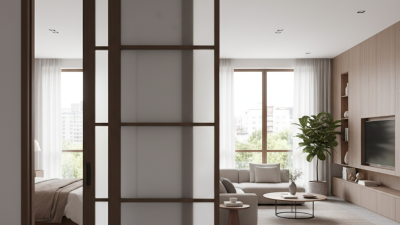
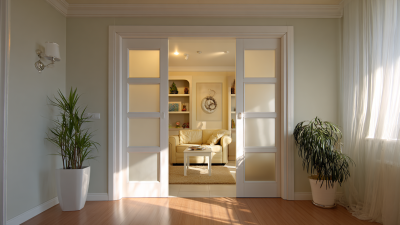
Pocket doors offer a stylish way to save space while enhancing home décor. Popular styles vary from classic to modern. Traditional designs often feature natural wood finishes that bring warmth. For a contemporary look, consider sleek glass pocket doors that allow light to flow. These options create an elegant transition between rooms.
Incorporating pocket doors into your space requires careful planning. Think about the room's overall style and color scheme. A bold color for the door can act as a statement piece. Alternatively, a minimalist design may suit a more subdued aesthetic. It's essential to visualize how the door will function daily. Sometimes, people overlook the mechanical aspects. Ensure that the sliding mechanism operates smoothly.
The size of the door also plays a critical role. A standard size may not fit all openings, so customization might be necessary. Not everyone considers this aspect thoroughly. Testing various styles in a showroom can help clarify personal preferences. Ultimately, selecting the right pocket door enhances your home's visual appeal and functionality.
Popular Pocket Door Styles