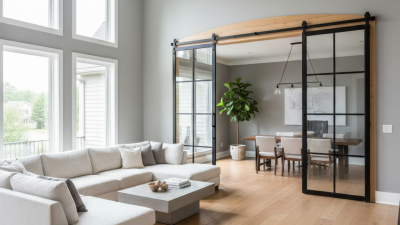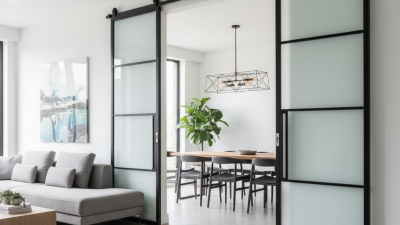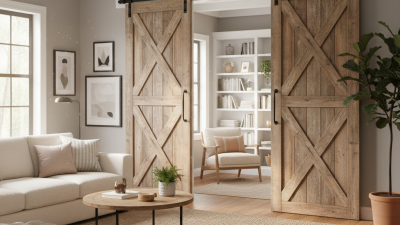
10 Interior Barn Door Buying Tips for Global Buyers

Buying interior barn doors for an international project involves more than choosing an attractive finish. Buyers must balance design, performance, installation, shipping, and long-term maintenance. A door that looks elegant online may arrive with unsuitable hardware, unclear dimensions, or a finish that reacts poorly to local humidity.

This guide presents ten practical buying tips for global buyers. It considers opening measurements, panel weight, track length, wall structure, material quality, privacy needs, and daily use. For example, a solid wood door can feel substantial, but it may require stronger support and careful moisture control. Soft-close hardware may improve safety and comfort, yet it can increase the total purchase cost. Small details matter.

Measure twice. Then verify everything.

Reliable purchasing also requires clear communication with suppliers. Ask for technical drawings, material specifications, hardware details, packaging standards, lead times, and installation instructions. Confirm whether replacement parts are available after delivery. Buyers should also review local building, fire, accessibility, and safety requirements with qualified professionals. Requirements vary between countries and project types.

No recommendation fits every home, hotel, office, or commercial space. Even experienced buyers can overlook wall strength or clearance above the doorway. That is why thoughtful comparison matters. The most attractive quote may not offer the best value. A lower price can hide weaker rollers, fragile packaging, or limited support. These ten tips are designed to support informed decisions, while acknowledging that each project deserves careful review. Good buying is not about finding a perfect door. It is about reducing avoidable problems before the door reaches the site.
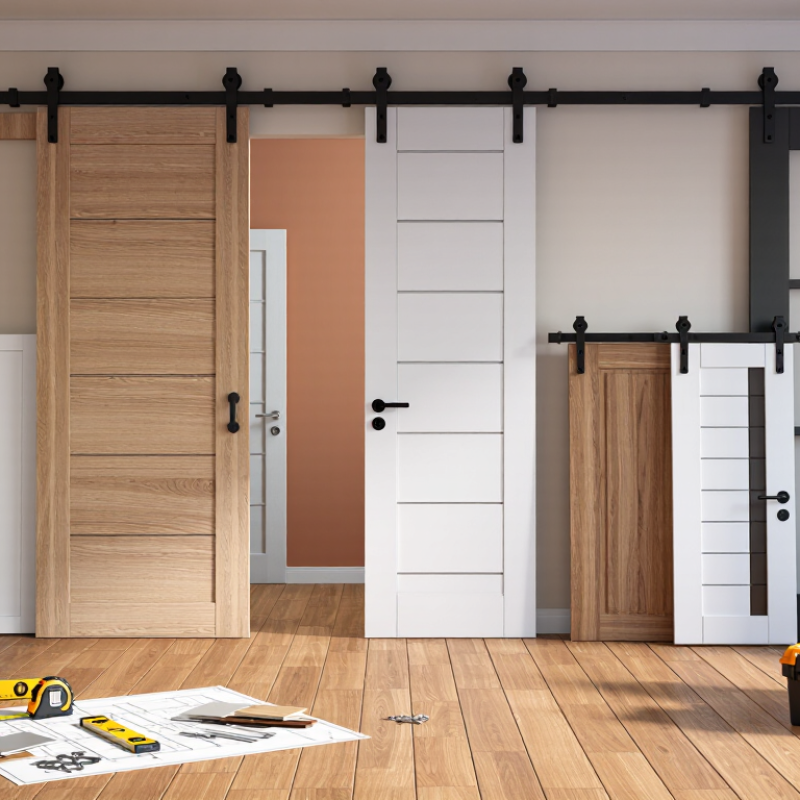
10 Interior Barn Door Buying Tips for Global Buyers

Define Your Space, Style, and Interior Barn Door Needs

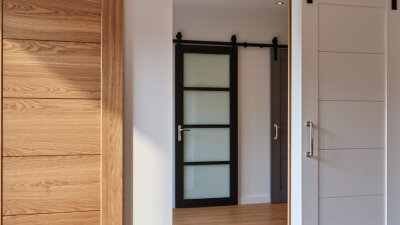
Choosing an interior barn door starts with your space, not a trend. Measure the opening, wall length, ceiling height, and nearby furniture. Leave enough clearance for handles, baseboards, and comfortable movement. A narrow hallway may need a slim door, while a bedroom often benefits from wider coverage and stronger privacy.

Tip: Define the room’s purpose before choosing the door. A glass panel can brighten a dark office, but it may reduce privacy. Solid wood or engineered panels suit bedrooms and utility areas better. Also check the wall structure. Sliding hardware needs secure support, and drywall alone may not hold its weight. A professional installer can verify this detail before purchase.

Style should support the room rather than dominate it. Match the door’s color with flooring, cabinets, or window frames. Consider texture carefully; rough surfaces collect dust and may require more maintenance. I once preferred a dramatic finish, but it made a small room feel heavier. That choice looked better in a sample than in the finished space.

Compare materials under daylight and warm evening lighting. Ask about moisture resistance, hardware durability, noise, and installation instructions. International buyers should also confirm dimensions, packaging protection, and local safety requirements. Small details matter.
Measure the Opening and Confirm the Required Door Size

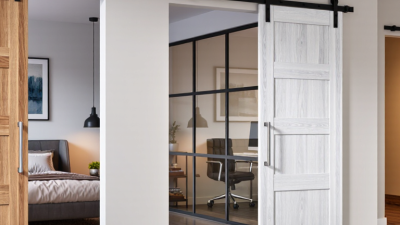
Measuring the opening is the most important step when buying an interior barn door overseas. Measure the width at the top, middle, and bottom, then record the smallest number. Do the same for the height on both sides. Walls are rarely perfectly level. I once saw a door ordered from one measurement fail because the floor dipped nearly 8 millimeters.

Confirm whether the listed size describes the door panel or the finished opening. These are not always the same. The door should usually overlap the opening on both sides and at the top, allowing enough coverage for privacy and light control.

Check the wall beside the opening, too. It must provide enough sliding space for the full panel. Keep handles, trim, switches, and nearby furniture outside the travel path.

Tips: Use a steel tape, not a soft measuring tape. Write measurements in millimeters and inches. Sketch the opening. Mark trim thickness. Ask a qualified installer to review unusual walls before ordering. For double doors, divide the opening carefully and confirm the center overlap. A few extra millimeters may help, but guessing is risky. Door hardware also needs clearance above the panel, so measure from the finished floor to the ceiling and check the installation drawing. Recheck everything before payment. Even careful buyers miss one detail.

Compare Door Materials, Hardware, and Track Systems

10 Interior Barn Door Buying Tips for Global Buyers

Compare the door material before comparing finishes. Solid wood offers warmth, strength, and repairable surfaces, but it may expand in humid rooms. Engineered wood stays more stable and usually weighs less. Metal doors suit industrial interiors, while glass panels add light but need careful handling. Ask for moisture resistance, panel thickness, and tested weight limits. A cheap core can create expensive problems.

Match the hardware to the door weight. Check the track capacity, roller quality, hanger thickness, and mounting screws. The wall must hold the full load, not just the decorative brackets. For masonry, use suitable anchors. For framed walls, locate solid studs or add structural backing. Include a floor guide to reduce swinging. Soft-close parts improve safety and comfort, especially in bedrooms. Small details matter.

Measure the opening, wall width, and ceiling clearance twice. The door should cover the opening with enough overlap, yet it must not strike nearby furniture. Choose stainless or coated hardware for coastal and damp areas. Confirm spare parts, installation instructions, package protection, and metric or imperial dimensions before ordering. I once underestimated wall unevenness; the track looked level, but the door rolled poorly. That mistake still influences my buying checks. Do not assume every “universal” kit fits every wall. Ask for installation drawings and local fixing advice.

Check Installation Requirements, Safety, and Local Building Standards

A barn door can look simple, but installation depends on the wall behind it. Before buying, confirm whether the wall has timber studs, steel framing, or masonry. The track needs a secure fixing surface. A decorative header alone may not support the door’s weight. Check the door, track, and roller capacity together, not separately. Allow enough wall space for the door to slide fully open. Measure nearby switches, trim, furniture, and skirting boards.

Safety hardware deserves close attention. Anti-jump devices should keep the rollers on the track during movement. Floor guides help prevent swinging, especially in busy homes or offices. Soft-close hardware can reduce impact, but it does not replace proper fixing. Keep fingers away from pinch points. For glass panels, use suitable safety glazing and inspect edges for damage before installation. Do not ignore unusual movement or scraping sounds.

Local building standards may control fire separation, ventilation, privacy, accessibility, or emergency escape routes. A sliding door may not be accepted for every bathroom, bedroom, commercial area, or protected opening. Requirements differ between countries and even between cities. Ask a qualified local installer or building authority before ordering custom sizes. I would not rely on a seller’s general installation guide alone. It may overlook regional rules. The practical lesson is uncomfortable: the cheapest door can become expensive after wall repairs, replacement hardware, or failed inspections. Measure twice. Question assumptions.

10 Interior Barn Door Buying Tips for Global Buyers - Check Installation Requirements, Safety, and Local Building Standards

Tip What to Measure or Verify Typical Requirement or Practical Guideline Safety and Building-Standard Considerations Recommended Buyer Action
1 Confirm the Wall Structure Identify wall studs, masonry, concrete, or a hollow partition behind the track. Fasteners should be secured to suitable structural support. Drywall alone is generally not sufficient for a heavily loaded sliding-door track. Track failure can cause the door panel to fall or derail. Wall construction methods and approved anchors vary by country. Locate studs before ordering, or specify a structural mounting board or approved masonry anchors where required.
2 Calculate the Correct Door Size Measure the finished opening width and height, including trim and nearby obstructions. The door panel normally needs to cover the opening and overlap the side and top edges enough to reduce visible gaps. Exact overlap depends on the hardware system. Do not assume a standard door size will meet local privacy, fire, ventilation, or accessibility requirements. Use finished site measurements and obtain the hardware supplier’s minimum overlap and clearance values before purchase.
3 Check Track Length and Side Clearance Measure the unobstructed wall space beside the opening and the available space above it. For a single panel that slides fully clear of the opening, a track approximately twice the opening width is commonly needed, subject to the system design. Light switches, sockets, radiators, cabinets, corners, and adjacent doors may restrict travel or create collision hazards. Confirm the complete travel path with a scaled drawing before selecting a track length.
4 Verify Headroom and Floor Clearance Measure from the finished floor to the ceiling, lintel, trim, and any molding. Allow room for the mounting board, track, rollers, anti-jump hardware, and the door panel’s operating clearance. The bottom of the door should not scrape the floor or create an unexpected trip point. Uneven floors may require an adjustable guide. Check the installation drawing for the required distance from the opening head to the track centerline and panel bottom.
5 Review Door Weight and Hardware Capacity Determine the finished door weight, thickness, width, and center of gravity. Rollers, track, brackets, stops, and fasteners must each be rated for the complete door assembly, with the supplier’s stated safety margin. Overloading can cause premature wear, derailment, excessive noise, or structural failure. Choose hardware based on the actual finished weight, including glass, mirrors, decorative panels, and handles.
6 Assess Accessibility and Usable Opening Width Measure the clear passage when the door is fully open, not merely the panel width. Where U.S. accessibility rules apply, an accessible door opening is commonly required to provide at least 32 inches (815 mm) of clear width, subject to the applicable code and door configuration. Other jurisdictions may use different dimensions, approach clearances, thresholds, and maneuvering requirements. Ask the local building authority or accessibility professional to confirm the required clear width for the project type.
7 Select Safe Glazing and Edge Protection Check whether the door contains glass, a mirror, or another breakable panel near a walking route. Safety glazing may be required in doors and in hazardous locations. Tempered or laminated safety glass should carry the applicable certification marking for the destination market. Glass requirements differ among countries and may depend on panel size, height above the floor, and proximity to the opening. Request glazing specifications and certification documents, and avoid unmarked ordinary glass in impact-prone areas.
8 Inspect Anti-Jump and Door-Stop Features Confirm the package includes anti-jump devices, end stops, a floor guide, and suitable fasteners. Anti-jump devices help prevent the rollers from lifting off the track; stops limit travel and help prevent the panel from striking walls or users. These components improve operational safety but do not replace correct structural fixing or regular inspection. Do not omit or remove safety components to increase travel distance or reduce installation time.
9 Check Privacy, Ventilation, and Room Function Evaluate the gap around the panel, acoustic expectations, ventilation needs, and the intended room use. Many barn-door systems leave perimeter gaps and therefore provide less sound control, light blocking, and odor containment than a conventional hinged door. Bathrooms, bedrooms, kitchens, utility rooms, and rooms with combustion appliances may have specific ventilation or privacy requirements. Use seals, a suitable panel design, or a different door type where the local code or room function demands greater separation.
10 Confirm Fire, Egress, and Local Approval Requirements Determine whether the opening is part of a required exit route, a protected fire compartment, or a regulated dwelling or commercial space. Fire-rated assemblies usually require a tested, compatible door, frame, hardware set, and installation method. A decorative sliding barn door should not automatically be treated as fire-rated. Fire, emergency egress, smoke control, and permitting rules differ by jurisdiction and occupancy classification. Obtain written confirmation from the local authority or qualified code professional before using a barn door in a regulated opening.

Evaluate Suppliers, Costs, Shipping, and Long-Term Maintenance

Choosing an interior barn door globally requires more than comparing online prices. Ask suppliers for material specifications, moisture content, load testing, hardware tolerances, and replacement-part availability. Request recent factory photos and one physical sample before placing a large order. A low quote can still become expensive after customs, damage, and rework.

Tip: Calculate landed cost, not unit cost. Include packaging, inland transport, insurance, duties, brokerage, and destination delivery. The World Bank’s 2023 Logistics Performance Index assessed 139 economies and highlighted major differences in customs, infrastructure, and shipment reliability. Request two shipping options and written delivery estimates. UNCTAD reports that maritime transport carries over 80% of global merchandise trade by volume. Delays remain realistic risks.

Tip: Inspect the track, rollers, fasteners, and wall anchors during installation. The door should move quietly without scraping or pulling away from the wall. Keep spare rollers and fasteners in a labeled box. Maintenance is often overlooked. Wipe the track regularly, check loose screws every few months, and control indoor humidity near wood doors. I would not promise “maintenance-free” performance. Even a well-made door can develop movement when seasons change. Supplier responsiveness matters after payment, so test support with detailed technical questions before ordering.

FAQS

How should I measure before buying an interior sliding barn door?

Measure the opening, wall width, ceiling height, and nearby furniture twice. Leave enough overlap to cover the opening. Check handles, trim, switches, and baseboards. A narrow hallway may need a slimmer door.

Which door material suits different rooms?

Solid wood feels warm and can often be repaired. However, humidity may cause expansion. Engineered wood is usually lighter and more stable. Glass adds daylight but reduces privacy. Metal suits industrial-style interiors.

How can I choose between glass and solid panels?

Glass panels can brighten a dark office or hallway. They may still expose movement and silhouettes. Solid panels work better for bedrooms and utility areas. Think about privacy before appearance.

What wall support does the track require?

Drywall alone may not support the door’s full weight. Locate timber studs, steel framing, or masonry. Add structural backing when necessary. A decorative header is not always strong enough. Ask a qualified installer to inspect the wall.

How do I select suitable sliding hardware?

Match the track and rollers to the complete door weight. Check roller quality, hanger thickness, screws, and fixing capacity. Use suitable anchors for masonry walls. A floor guide reduces swinging. Soft-close parts improve comfort, but fixing still matters.

What safety details should I check?

Anti-jump devices help keep rollers on the track. Floor guides reduce uncontrolled movement. Keep fingers away from pinch points. Inspect glass edges before installation. Unusual scraping needs attention.

Can a sliding door work in every room?

Not always. Some bathrooms, bedrooms, or protected openings may have specific requirements. Local rules can address privacy, ventilation, fire separation, or accessibility. Check with a qualified local installer before ordering custom sizes. A general guide may miss regional details.

What should international buyers confirm before ordering?

Confirm metric or imperial dimensions, packaging protection, spare parts, and instructions. Check moisture resistance for coastal or damp locations. Ask about tested weight limits and hardware durability. Review local safety requirements. Small details matter.
How can I avoid choosing a door that looks wrong later?

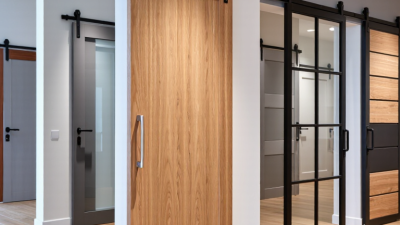
Compare samples under daylight and warm evening lighting. Match the color with flooring, cabinets, or window frames. Rough textures can collect dust. I once chose a dramatic finish that made a small room feel heavy. The sample looked better than the finished space.

Conclusion

Choosing the right interior barn doors begins with understanding your room, design preferences, privacy needs, and available space. Before purchasing, measure the opening carefully, including its height, width, wall clearance, and surrounding trim, to confirm the correct door size and sliding range. Consider whether a single or double door configuration suits the layout, and select materials and finishes that balance appearance, durability, and maintenance requirements.

Global buyers should also compare hardware quality, track systems, weight capacity, soft-close features, and installation complexity. Check whether the wall can support the door and whether additional framing or professional installation is needed. Safety details, ventilation, accessibility, and applicable local building standards should be reviewed before ordering. Finally, evaluate suppliers by comparing product quality, total costs, packaging, shipping conditions, delivery times, warranty support, replacement parts, and long-term care. A complete assessment helps ensure that the selected interior barn doors are attractive, practical, safe, and suitable for lasting use.