What Are the Best Glass Bifold Doors for Global Buyers?

Choosing the best glass bifold doors for global buyers requires more than comparing photographs, prices, or frame colours. A door that performs well in a mild coastal climate may struggle in freezing temperatures, strong sunlight, or humid conditions. Buyers should examine thermal performance, air tightness, water resistance, wind-load testing, glass safety, hardware quality, and after-sales support. Certification matters. So does the evidence behind it.

Ebrahim Nana, founder of NanaWall, has stated, “There is no one-size-fits-all solution.” That principle is especially relevant to glass bifold doors. Opening width, panel weight, drainage design, floor level, and installation skill can change the final result. A beautiful six-panel system may feel effortless in a showroom, yet operate poorly if the track is incorrectly aligned. Small details become obvious.

Think beyond appearance.

Reliable manufacturers should provide technical drawings, tested performance data, warranty conditions, replacement-part information, and installation guidance suited to the buyer’s country. Global buyers also need to consider local building requirements, delivery protection, and the availability of trained installers. These issues are easy to overlook, and honestly, no buying guide can remove every risk.

This article compares major glass bifold doors through a practical lens. It considers real-world usability, energy efficiency, security, design flexibility, maintenance, and long-term value. Some conclusions may remain conditional. That is not a weakness. Different buildings demand different solutions, and the “best” system is often the one that quietly performs for years.
What Are the Best Glass Bifold Doors for Global Buyers?

What Are Glass Bifold Doors and How Do They Work?

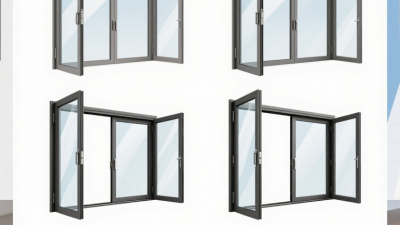
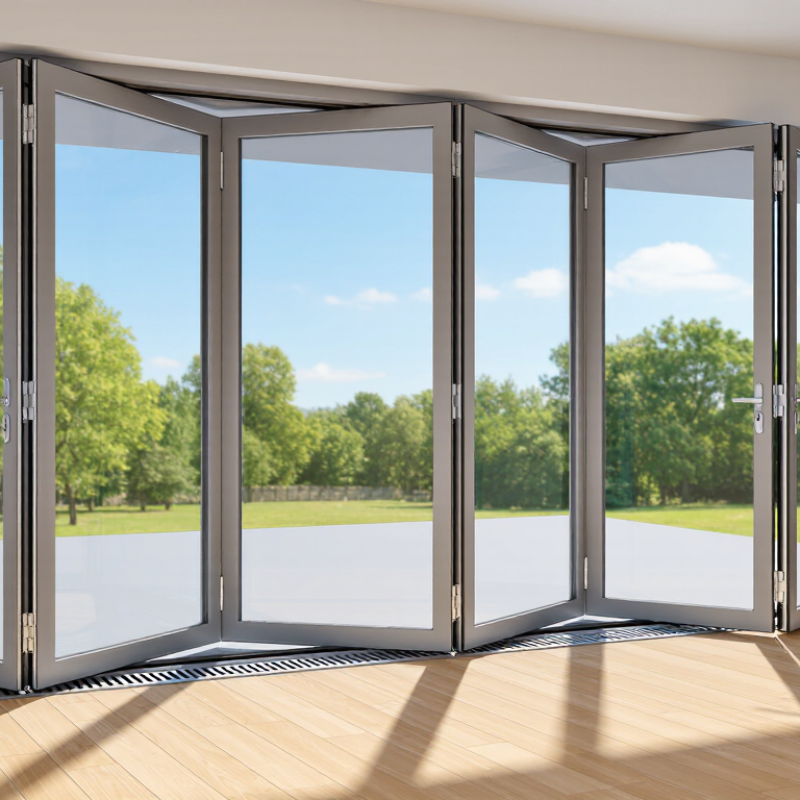
Glass bifold doors combine several glazed panels connected by hinges. Each panel folds against the next when the door opens. Unlike a sliding door, the panels move along a track and stack near one side.

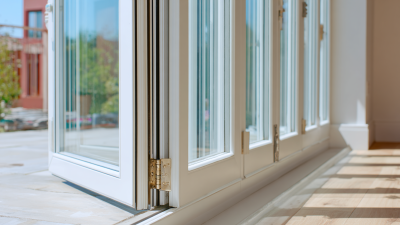
A typical system uses top-hung rollers, bottom rollers, or both. Hinges guide the panels into a concertina shape. A handle controls the first panel, while concealed catches secure the remaining sections. Weather seals reduce drafts, rain, and outside noise. Strong frames carry the glass and maintain alignment during daily movement. Site measurements matter greatly, especially on wide openings.

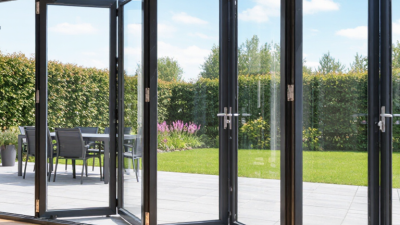
The best choice for global buyers depends on climate, opening size, and installation quality. Double glazing may improve insulation in cold regions. Solar-control glass can reduce indoor heat in warmer areas. Coastal projects need corrosion-resistant hardware and careful drainage. In windy locations, engineers should check panel weight and structural support. I have seen beautiful doors perform poorly because the track was slightly uneven. That detail is easy to underestimate. Regular cleaning also prevents grit from damaging rollers and seals. A lower threshold improves access, but it may require more precise water management. No configuration is perfect. Performance often depends as much on preparation as on the door itself.

Which Glass Bifold Door Types Suit Different Building Projects?

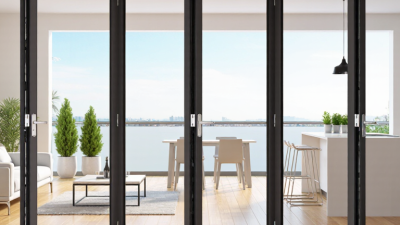
Glass bifold door types should match the building’s use, climate, and opening size. For compact homes, thermally broken framed doors offer reliable insulation and easier maintenance. They suit kitchens, patios, and garden rooms where daily operation matters. Choose fewer, wider panels for a cleaner view. However, heavy panels may require stronger hardware and careful installation.

Top-hung systems work well in wide residential openings and boutique hospitality spaces. Their floor tracks stay relatively clear, which helps wheelchair access and frequent cleaning. Bottom-rolling systems can support larger glass panels without transferring all weight to the head structure. They may suit renovations with limited structural reinforcement. Yet, the floor channel needs precise drainage and regular cleaning.

Frameless bifold doors create a lighter appearance in premium homes, restaurants, and galleries. They provide less visual obstruction but usually demand stricter alignment and higher installation accuracy. In windy or coastal locations, specify corrosion-resistant hardware, laminated safety glass, and tested weather seals. Acoustic glass can improve comfort beside busy roads, though it increases panel weight. I have seen attractive systems perform poorly when threshold drainage was treated as an afterthought. Check thermal values, wind-load data, safety glazing, panel limits, and local building requirements before selecting the door type. Cost is important, but replacement hardware costs matter too.

What Are the Best Glass Bifold Doors for Global Buyers?

Suitability scores are indicative ratings from 1 to 5 based on typical thermal performance, weather resistance, maintenance needs, daylight access, and project cost priorities.

Thermally broken aluminum systems are a balanced choice for modern homes and commercial spaces. Triple glazing is generally better for cold climates, timber-aluminum designs suit premium residential projects, and uPVC systems are often selected when insulation and budget control are the main priorities.

How Should Global Buyers Compare Materials, Glass, and Performance?

Global buyers should compare glass bifold doors through materials, glass selection, and tested performance. Aluminum frames are durable and slim, but they need thermal breaks in cold or hot climates. uPVC offers stronger insulation, although large panels may require wider profiles. Timber feels warm and elegant, yet it demands regular sealing in humid regions.

Glass choice changes comfort more than many buyers expect. Double glazing suits moderate climates, while triple glazing can improve insulation in severe cold. Low-emissivity coatings help control heat transfer. Laminated glass improves safety and reduces outside noise. Tempered glass offers impact resistance, but it breaks into smaller pieces. Ask for the glass thickness, spacer type, solar-control data, and certified U-value.

Performance should be checked beyond appearance. Request air-leakage, water-resistance, wind-load, and cycle-test results from an independent laboratory. A smooth showroom panel proves little. Drainage channels must remove rain quickly, especially on exposed balconies. Rollers and hinges should match the panel weight and remain serviceable locally. Installation quality matters just as much as factory quality; uneven floors can cause binding and poor seals. Confirm replacement hardware availability before ordering. Specifications can look excellent on paper. Real performance may still depend on climate, transport, and installation habits. One detail is often missed: local technicians may not understand unfamiliar systems.

What Standards and Certifications Matter in International Purchasing?

For global buyers, the best glass bifold doors are not chosen by appearance alone. Standards and certifications must match the destination market, product design, and installation conditions. In Europe, buyers may request CE marking under applicable construction rules, supported by EN 14351-1 performance data. The United Kingdom may require UKCA-related documentation. North American projects often refer to ASTM or AAMA testing. Requirements differ.

Glass safety deserves close attention. Tempered glass should have suitable safety documentation, while laminated glass can improve impact protection and security. Insulating glass units should include evidence of correct sealing and durability, such as testing aligned with EN 1279. Ask for air permeability, water tightness, wind resistance, thermal performance, and operating-cycle results. An ISO 9001 certificate shows process control, but it does not prove that every door performs well. That distinction matters.

Tips: Request certificates from accredited laboratories, not only supplier summaries. Check that reports identify the exact frame, glass thickness, hardware, and dimensions. Confirm traceability through batch numbers and production records. Ask for installation drawings and packaging details; damaged corners can ruin excellent testing. From practical purchasing experience, a small sample door often reveals handle stiffness, drainage problems, and alignment issues. Certificates are useful, but they can create false confidence. Installation quality remains a weak point in many international projects. Allow time for local review.

What Are the Best Glass Bifold Doors for Global Buyers?

Standards and certifications that matter in international purchasing

Evaluation Dimension Relevant Standard or Certification What It Verifies Key Data Buyers Should Request International Purchasing Relevance Priority
Product conformity EN 14351-1 Performance characteristics for windows and external pedestrian doorsets, including relevant air, water, wind and thermal properties. Declaration of Performance, declared product scope, tested configuration and applicable performance classes. Important for projects using European construction-product requirements. The exact applicability depends on the product type and destination market. Essential where applicable
Safety glass EN 12150-1; ASTM C1048; AS/NZS 2208 Heat-treated safety glass quality, fragmentation behavior and suitability for locations where human impact is possible. Glass type, thickness, heat-soak treatment if specified, fragmentation test results and permanent safety marking where required. Large glass panels in bifold doors are commonly exposed to impact risk. The required standard depends on the destination country. Essential
Laminated safety glass EN 14449; EN 12600; ASTM C1172 Glass interlayer adhesion, breakage behavior and retention of fragments after impact. Interlayer material, glass build-up, impact classification and evidence that the tested build-up matches the supplied door. Particularly relevant for low-level glazing, overhead glazing, coastal exposure and projects requiring enhanced post-breakage retention. High
Insulating glass units EN 1279 series; ASTM E2190 Durability and performance of sealed double- or triple-glazed units, including edge seals and moisture resistance. U-value, spacer type, gas fill, gas retention evidence, seal durability and warranty period. Helps reduce condensation and heat loss across different climates, but quoted thermal values must match the complete door assembly. High
Air permeability EN 12207; ASTM E283 Air leakage through the assembled door under defined pressure differences. Test pressure, leakage rate, classification and whether the test covered the complete bifold configuration. A major factor in comfort, energy use and protection from drafts, especially for large multi-panel openings. High
Watertightness EN 12208; ASTM E331 Resistance to water penetration during controlled pressure and spray exposure. Test pressure, water spray duration, pass/fail result, drainage details and sill design. Critical for exposed façades, wind-driven rain, tropical climates and coastal locations. High
Wind resistance EN 12210; ASTM E330/E330M; AS 2047 Structural resistance, deflection behavior and operational performance under positive and negative pressure. Design wind pressure, test pressure, panel dimensions, mullion or hinge configuration and allowable deflection. The required capacity varies substantially with building height, exposure category, terrain and local wind code. Essential for external use
Thermal performance ISO 10077-1; EN 673; ISO 12567-1 Thermal transmittance of glazing, frames and the complete door assembly. Whole-door U-value, center-of-glass U-value, solar factor, low-emissivity coating and frame material. Whole-door values are more useful than glass-only figures when comparing energy performance between suppliers. High
Solar and daylight control EN 410; ISO 9050 Solar energy transmittance, light transmittance and related optical properties of glazing. Visible light transmittance, solar factor or g-value, shading coefficient where used, and coating position. Useful for balancing natural light, overheating risk and cooling demand in warm or high-sun climates. Medium to High
Acoustic insulation EN ISO 10140; ISO 717-1; ASTM E90 Sound reduction performance of the complete door or glazing assembly. Weighted sound reduction index or sound transmission class, test spectrum and complete assembly configuration. Important near roads, airports, hospitality projects and dense urban developments. Medium
Operating durability EN 1191; EN 12400 Resistance of opening elements to repeated operating cycles and durability classification. Number of tested cycles, hardware configuration, panel weight and post-test operating condition. Especially important for high-traffic residential, hospitality and commercial applications. High
Security and hardware EN 1627–1630; EN 1627 resistance classes Resistance of the complete doorset to defined manual attack methods and tools. Resistance class, tested lock and hardware set, cylinder specification, panel arrangement and installation conditions. Security results are configuration-specific; changing hardware, glass or panel layout can invalidate the test basis. Project-dependent
Accessibility ISO 21542; local accessibility and building regulations Usability considerations such as thresholds, clear opening width, operating force and approach space. Finished floor level, threshold height, clear passage width, handle height and maximum operating force. Local building regulations may set mandatory requirements that are not fully covered by a product certificate. Essential for public projects
Quality management ISO 9001 The supplier’s quality-management system and controlled production processes. Valid certificate, certification scope, issuing body, validity dates and manufacturing-site coverage. Supports supplier consistency, but it does not replace product-specific performance testing or regulatory compliance. Medium
Market access documentation CE marking and Declaration of Performance where legally applicable; local conformity schemes Evidence that the product has followed the conformity route required for the destination market. Declaration, technical file references, notified or approved-body details where required, labels and installation instructions. Importers must verify current rules in the destination country; a certificate from one market is not automatically valid worldwide. Essential
Installation and warranty Manufacturer installation instructions; local building code Correct structural support, drainage, tolerances, sealing and adjustment requirements. Opening preparation, fixing method, maximum tolerances, sill details, maintenance schedule and warranty exclusions. Installation quality strongly affects air, water, thermal and operating performance; warranty terms should be clearly defined for international projects. Essential
Buyer’s practical rule: Compare complete door assemblies tested with the same glass build-up, panel size, hardware, threshold and installation method. Glass-only values or certificates for a different configuration should not be treated as proof of complete bifold-door performance.

How Can Buyers Evaluate Suppliers, Costs, Installation, and Maintenance?

For global buyers, the best glass bifold door begins with a dependable supplier, not a glossy catalogue. Request factory photos, test reports, production timelines, and references from similar climates. Check whether the supplier understands wind exposure, humidity, salt air, and local opening sizes. A serious supplier should explain glass thickness, frame materials, hardware ratings, drainage design, and replacement-part availability. Vague answers are costly later.

Compare the complete delivered cost. Include the door system, glazing, packaging, freight, insurance, taxes, installation, and future servicing. The lowest quotation may exclude threshold preparation or lifting equipment. Ask for an itemized offer. Also confirm payment stages and warranty conditions in writing. A warranty sounds reassuring, but it means little without response times and accessible parts.

Installation quality strongly affects comfort and lifespan. The opening must be square, level, and properly supported before the panels arrive. Installers should check roller adjustment, panel alignment, weather seals, and water drainage. A two-millimeter error can create noticeable friction. Maintenance is simple but not optional: clean tracks, remove grit, inspect seals, and lubricate approved moving parts. Coastal homes need more frequent hardware checks. Some buyers underestimate this. My own view is imperfect: technical comparisons cannot replace a careful site survey, and even a well-made door can disappoint when installation is rushed.