Choosing the best glass bifold doors is not simply a matter of frame colour or opening width. It is a performance decision.
The U.S. Department of Energy reports that windows can account for 25–30% of household heating and cooling energy use. That figure makes glass specification important, especially across large openings. Look for low-emissivity coatings, insulated glazing, warm-edge spacers, and independently tested U-values. Air leakage matters too. A beautiful door that whistles during winter is not a successful installation.
The 2024 International Energy Agency buildings report also highlights continuing pressure to improve building efficiency and reduce operational energy demand. This supports careful comparison, but one detail is often missed: better glass cannot compensate for poor drainage, weak installation, or an unsuitable threshold. Small gaps become noticeable beside a sofa.
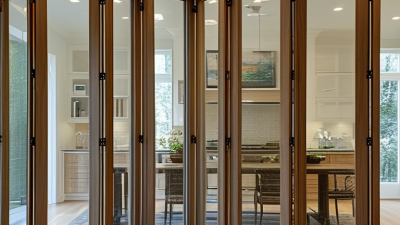
As NanaWall founder Earle D. Taylor has said, “The door should disappear when it is open, but perform when it is closed.” That principle explains the appeal of glass bifold doors. They connect kitchens, patios, and gardens while preserving weather protection when shut. However, “disappear” should not mean sacrificing security or thermal comfort.
A reliable choice should match the building’s orientation, wind exposure, room size, and daily use. North-facing rooms may need different solar-gain decisions from south-facing rooms. Coastal homes require stronger corrosion resistance.
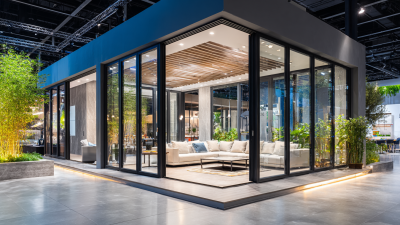
There is no universal best system. That answer is inconvenient, but honest. Compare certified performance data, hardware warranties, drainage design, and installer experience. Then inspect the folded panels in person. Movement should feel controlled, not forced. A showroom can look perfect; the installed doorway tells the truth.
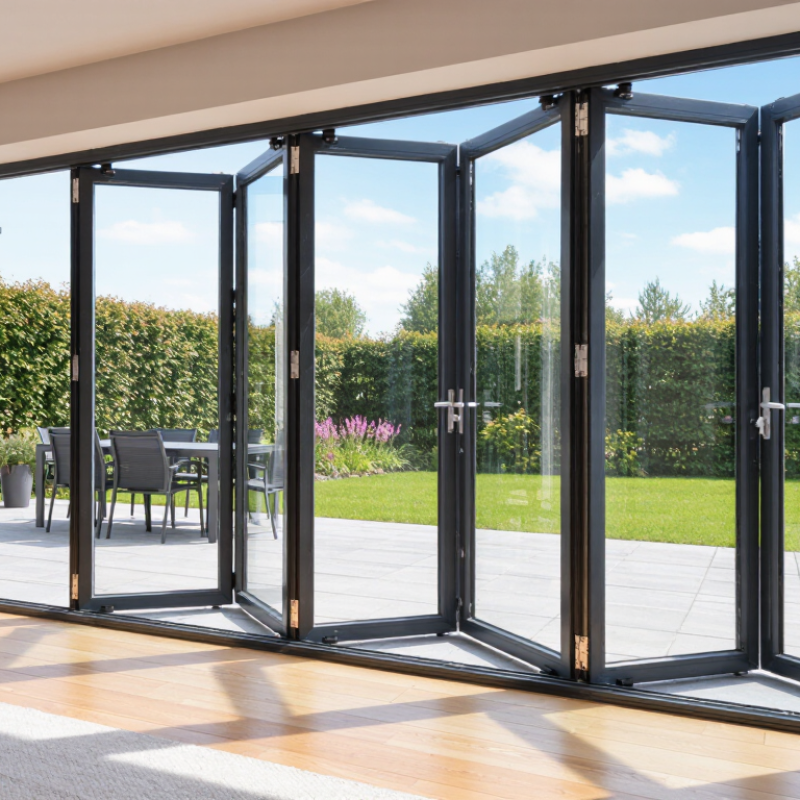
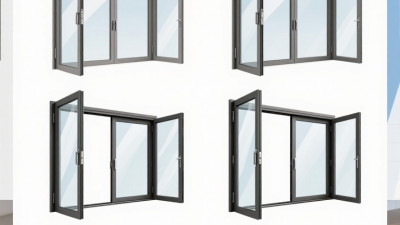
China glass bifold doors are folding door systems manufactured in China, combining framed glass panels with hinges, rollers, and a guiding track. Each panel folds against the next, creating a wide opening without requiring a large swing area. When closed, the panels form a transparent wall. When opened, they stack neatly to one or both sides.
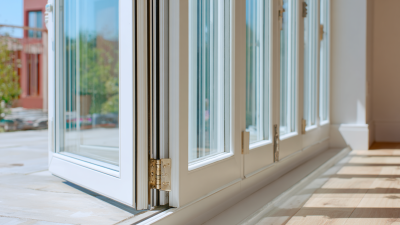
The track controls movement. Top-hung designs place most weight above the panels, while bottom-rolling systems transfer weight to the floor. This difference affects installation, maintenance, and long-term movement. Tempered glass improves impact resistance, while laminated glass helps hold fragments together if breakage occurs. Low-emissivity glass can also reduce heat transfer, but performance depends on the entire door system.
Choosing the right China glass bifold doors requires accurate measurements. Check the opening width, height, floor level, and drainage conditions. A few millimeters can affect smooth operation. Ask for tested air, water, and wind performance, not vague quality claims. Review the frame thickness, hinge adjustment, locking points, and replacement hardware availability.
There is no perfect configuration. Larger panels offer clearer views but may feel heavy. More panels improve folding flexibility but add joints and seals. In practice, poor installation causes many problems blamed on the door itself. An experienced installer should verify the structure, align the track carefully, and leave suitable expansion space. That step is easy to underestimate.
Choosing the best China glass bifold door starts with climate, not appearance. Start with the opening. In warm regions, low-emissivity double glazing can reduce solar heat gain. The U.S. Department of Energy reports that windows may cause 25–30% of residential heating and cooling energy use. Therefore, compare U-factor and solar heat gain coefficient, not glass thickness alone. The National Fenestration Rating Council identifies these values as key performance indicators.
For safety, use tempered glass in ordinary panels and laminated glass where impact resistance or noise control matters. China’s GB 15763.2 standard covers tempered safety glass for buildings. Double glazing suits many homes, while triple glazing may help in colder climates. However, heavier panels demand stronger rollers and hinges. That detail is often overlooked.
Frame material changes the door’s behavior. Thermally broken aluminum offers slim sightlines and structural strength. uPVC improves insulation but needs careful reinforcement for large openings. Timber or composite frames create warmth, although moisture maintenance can become frustrating. A practical design usually includes multipoint locks, stainless-steel hardware, concealed drainage, and a low but weather-resistant threshold. Test the folding direction on site. Furniture, curtains, and wind can interfere with the opening. No specification is perfect. A beautiful six-panel layout may perform poorly if the frame, glass, and installation are not engineered together.
| Glass Bifold Door Option | Typical Glass Build-Up | Thermal Performance | Safety and Comfort | Best-Suited Project | Important Selection Considerations |
|---|---|---|---|---|---|
| Clear Double-Glazed Glass | 4 mm clear glass + 12–16 mm argon-filled cavity + 4 mm clear glass | Typical centre-of-glass U-value: approximately 1.1–1.6 W/m²K, depending on coating, cavity width, spacer and gas fill. | Provides good daylight and outdoor visibility. Laminated or tempered safety glass should be specified where required by local regulations. | Mild climates Garden rooms Budget-conscious renovations | The lowest-cost insulated option, but it offers less solar and glare control than coated glass. Confirm the complete door-system U-value rather than glass-only performance. |
| Low-E Double-Glazed Glass | 4 mm low-emissivity glass + 12–16 mm argon-filled cavity + 4 mm clear or low-E glass | Typical centre-of-glass U-value: approximately 1.0–1.4 W/m²K. Solar-control coatings can reduce solar heat gain. | Improves interior comfort near the glazing and reduces heat transfer compared with standard clear double glazing. | Most residential projects Mixed climates Energy-conscious homes | Select the coating according to orientation. A lower solar heat-gain coefficient is useful for strong west- or south-facing sun, while excessive solar control may reduce passive winter gains. |
| Triple-Glazed Low-E Glass | Three glass panes with two insulated cavities, commonly using argon-filled gaps and warm-edge spacers | Typical centre-of-glass U-value: approximately 0.5–0.8 W/m²K, although the complete bifold door U-value will be higher because of frames and hardware. | Higher internal surface temperature and improved acoustic comfort. The heavier unit requires a door system designed for the added load. | Cold climates Passive-house-style projects High-performance extensions | Check panel weight, hinge capacity, roller capacity and maximum panel dimensions. The extra glass may increase initial cost and reduce visible light transmission. |
| Tempered Safety Glass | Heat-treated glass that is approximately four to five times stronger than annealed glass of the same thickness | Thermal performance depends on whether it is used in single, double or triple glazing; tempering itself does not provide insulation. | When broken, it generally fractures into small granular pieces rather than large sharp shards. It is suitable for many door applications, subject to local codes. | High-traffic openings Family homes Large glazed panels | Tempered glass cannot normally be cut or drilled after heat treatment. Confirm edge quality, heat-soak testing requirements and compliance with the destination-market standard. |
| Laminated Safety Glass | Two or more glass plies bonded with a plastic interlayer such as PVB or ionoplast | Insulation depends on the surrounding insulated-glass unit. Laminated construction can improve acoustic performance and reduce UV transmission. | The interlayer helps hold broken glass in place. It can also improve security, fall protection and sound reduction when the correct thickness is specified. | Balconies Coastal or exposed sites Noise-sensitive rooms | Specify the interlayer type and thickness for the intended performance. Laminated panels are heavier than comparable monolithic glass, affecting panel hardware and handling. |
| Obscure or Satin-Finished Glass | Patterned, acid-etched or satin-finished glass used as a single pane or within an insulated-glass unit | Thermal performance is governed by the complete glazing build-up. Surface finish generally has limited influence on U-value. | Increases privacy while allowing daylight. Light transmission and cleaning requirements vary with the pattern or finish. | Bathrooms Street-facing rooms Privacy zones | Use the finished surface on the protected side where possible. Ask for a sample because privacy level, appearance and visible distortion differ among patterns. |
| Aluminium Frame with Thermal Break | Powder-coated or anodised aluminium profiles separated by a low-conductivity polyamide thermal barrier | Offers better frame insulation than non-thermally broken aluminium. Overall door performance depends on profile design, glass, seals and panel size. | Strong, dimensionally stable and well suited to slim sightlines and large openings. Aluminium is also resistant to rot and insect damage. | Contemporary architecture Wide openings Humid climates | Check thermal-break continuity, drainage, powder-coating specification, marine-grade finish where appropriate, and the tested air, water and wind ratings. |
| uPVC Frame | Multi-chamber extruded uPVC profiles, commonly reinforced where required by panel size and hardware loads | Generally provides good frame insulation. Performance varies significantly with chamber design, reinforcement, seals and glazing configuration. | Low maintenance and resistant to moisture. Wider profiles may reduce the clear opening and visible glass area. | Residential replacements Value-focused projects Moderate-size openings | Confirm steel or composite reinforcement, colour stability, sash weight limits, hardware serviceability and suitability for local temperature conditions. |
| Timber or Timber-Aluminium Frame | Engineered timber inside, or timber protected externally by an aluminium weathering layer | Timber has relatively low thermal conductivity. The complete U-value depends on timber species, profile depth, glass and weather seals. | Offers a warm interior appearance and good acoustic potential. Exterior aluminium cladding can reduce repainting and weather exposure. | Premium homes Heritage-style projects Design-led interiors | Review moisture protection, finish maintenance, movement tolerances, drainage and the manufacturer’s recommended cleaning and recoating schedule. |
| Standard Folding Configuration | Multiple hinged panels folding and stacking to one or both sides of the opening | Depends on the selected frame and glass. More panel joints mean more gaskets and hardware interfaces to detail correctly. | Creates a broad opening and flexible ventilation. The threshold and panel alignment are important for weather resistance and smooth operation. | Indoor-outdoor living Dining areas Patios and terraces | Plan the stacking zone, opening direction, traffic path, drainage and threshold height before ordering. Confirm the required number of panels and maximum panel width. |
| Low-Threshold or Flush-Threshold Design | Reduced-height sill or recessed sill with concealed drainage, depending on the selected system | A low sill may require more careful water-management detailing than a standard raised threshold. | Improves accessibility and creates a cleaner transition between interior and exterior floors. | Accessible homes Seamless terraces Public or hospitality spaces | Verify compliance with local accessibility rules, water drainage capacity, sill flashing, floor falls and the tested water-tightness rating. |
When choosing China glass bifold doors, start with verified energy ratings, not appearance. The U.S. Department of Energy reports that windows can cause 25–30% of residential heating and cooling energy use. Ask for the whole-door U-factor and Solar Heat Gain Coefficient, not glass-only figures. Lower U-factor usually means better insulation. Lower SHGC can reduce summer heat. However, a low number is not automatically ideal for every climate.
Look for independent test reports following NFRC procedures. NFRC ratings measure the complete fenestration product, including frames, spacers, and glass. Double glazing with low-emissivity coating and argon filling can improve performance. Check whether the report matches the exact panel size and configuration. Small details matter. Oversized panels may perform differently.
Safety and weather resistance require equal attention. Tempered glass reduces injury risk by breaking into small pieces, while laminated glass helps retain fragments after impact. Confirm compliance with the safety-glazing rules used in your project location. For weather testing, request air-leakage, water-penetration, structural-load, and operating-cycle results under AAMA/WDMA/CSA 101/I.S.2/A440 methods. The National Fenestration Rating Council also recommends checking installation conditions, because poor sealing can undermine certified performance. I would inspect the sill drainage path personally; brochures rarely show trapped water, uneven floors, or weak corner seals. These are practical weaknesses, and they can matter more than a polished frame finish.
Comparing manufacturers starts with verified performance, not polished photographs.
Ask for test reports linked to the exact door system, glass build-up, and hardware. NFRC labels report U-factor, solar heat gain coefficient, visible transmittance, and air leakage. These figures make quotations more comparable. The U.S. Department of Energy reports that windows can cause 25–30% of residential heating and cooling energy use. Poorly specified bifold doors may therefore increase indoor discomfort and operating costs.
Quality standards deserve careful checking.
For Chinese suppliers, review compliance with GB/T 8478 for aluminum alloy doors and windows, plus GB/T 11944 for insulating glass. Export projects may also require EN 1279 testing for sealed glass units. ISO 9001 shows process management, but it does not prove strong thermal or weather performance. Ask for water penetration, air infiltration, wind-load, and cycle-test results. Short answers are warning signs.
Custom options should match the building, not merely the showroom.
Confirm panel width, opening direction, threshold height, drainage paths, laminated or tempered glass, Low-E coating, spacer type, and handle position. A low threshold looks elegant, but heavy rain can expose weak drainage design. Large panels also demand accurate structural calculations and reinforced installation points. Do not trust a “maximum size” without deflection data. Even careful comparisons can miss site conditions, especially coastal corrosion or uneven floors. That uncertainty deserves a written installation plan.
Choosing China glass bifold doors starts with the complete installed price, not the factory quote. Request a line-by-line proposal covering glass, frames, hardware, packaging, shipping, taxes, installation, and waste removal. A cheap quotation may exclude critical items. The U.S. Department of Energy reports that windows can cause 25–30% of residential heating and cooling energy use. Therefore, compare U-values, solar heat gain coefficients, air leakage, and glass configuration. Ask for test results under standards such as EN 1027, EN 12207, or ASTM E331. These details matter more than a polished product photo.
Installation quality can decide whether the doors remain smooth and dry. Confirm a measured site survey, level thresholds, correct drainage, structural anchors, and a documented water test. The installer should explain how the panels will be adjusted after settlement. I would not accept “standard installation” as a complete description. Maintenance should be practical: tracks need vacuuming, rollers need inspection, and seals need gentle cleaning. Coastal homes may require more frequent hardware checks because salt air accelerates corrosion.
Tips: Compare at least three identical specifications. Ask whether labor is covered separately. Check the warranty duration for glass, finish, locks, rollers, and seals. Confirm who pays for replacement shipping and labor. Get response times in writing. The Consumer Product Safety Commission has repeatedly emphasized the importance of safe door operation and maintenance, so ask for adjustment instructions and spare-hardware availability. A long warranty sounds reassuring, but exclusions can make it nearly useless. Read them carefully.