Why Choose Bifold Closet Doors for Your Home?

Choosing bifold closet doors can change how a room feels, not just how it stores clothing. These doors fold neatly beside the opening, reducing the swing space required by traditional hinged doors. That small change can free a walkway, expose an entire closet, and make narrow bedrooms feel less crowded. They also suit bedrooms, hallways, laundry rooms, and compact apartments.

Gary Katz, a respected door and millwork educator, offers a useful principle: “A door should serve the room, not fight it.” Bifold closet doors follow that idea when their panels, hinges, and track are correctly matched to the opening. Quality hardware can create smoother movement and reduce rattling. Accurate measurements matter even more. A few millimeters of error may cause uneven gaps, scraping, or difficult closing. Professional installation can help, especially when the frame is old or the floor is not level.

Still, bifold closet doors are not perfect. Cheap tracks may wear quickly, and crowded shelves can block the folding panels. Some rooms also need better sound control than these doors provide. Think about daily use before choosing a style. Will children open them often? Will heavy coats stress the hardware? Does the room receive moisture or strong sunlight? These details influence material selection and long-term performance. With thoughtful planning, bifold closet doors can combine practical access, visual simplicity, and valuable space savings without making the room feel overdesigned.
Why Choose Bifold Closet Doors for Your Home?

What Are Bifold Closet Doors?

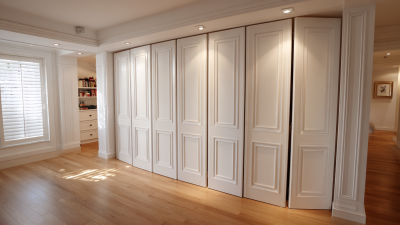
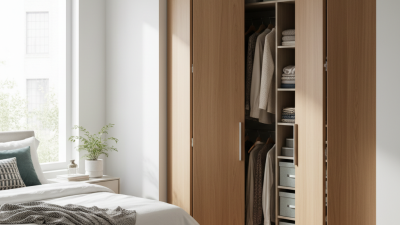
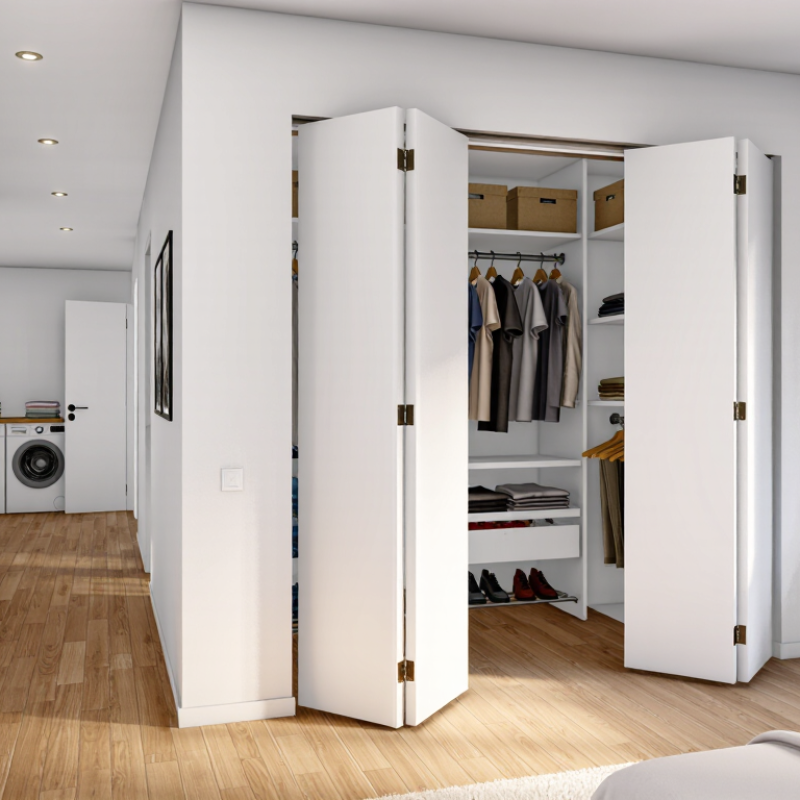
Bifold closet doors are hinged panels that fold against themselves when opened. Unlike a single swinging door, they need less clearance in front of a wardrobe. A typical set uses two or more panels, pivot hardware, and a guide track. The panels stack neatly beside the closet opening. They fold inward.

These doors may use wood, engineered panels, glass inserts, or lightweight composite materials. Their exact operation depends on balanced hinges and accurate installation. When the track is level, the doors should glide without scraping the floor. A small pull handle makes daily access easier, especially in narrow bedrooms or hallways. Space matters.

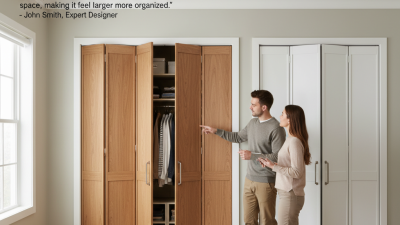
From practical installation experience, measuring the opening at several points is essential. Walls and floors are not always perfectly straight. A difference of a few millimeters can create uneven gaps or stiff movement. The door weight also matters; heavier panels need stronger hardware and secure fixing points. Regularly tightening loose screws can prevent rattling and premature wear.

Bifold doors are useful, but they are not flawless. The folded panels may hide part of the closet while open. Hinges can also collect dust and become noisy over time. I would avoid choosing them from appearance alone. Check the opening width, floor level, panel weight, and daily traffic around the closet. A careful fit usually matters more than decorative detail.

How Do Bifold Closet Doors Work?

Why Choose Bifold Closet Doors for Your Home?

Bifold closet doors work through a simple folding mechanism. Two or more panels connect with hinges, then move along a top track. A pivot pin anchors one side. Rollers guide the moving panels. When opened, the doors fold inward instead of swinging across the room. The result is a wider closet opening with less floor clearance.

That matters in compact bedrooms. The NAHB’s 2023 analysis of U.S. Census data reported a median new single-family home size of 2,411 square feet. That figure was lower than the 2015 median of 2,647 square feet. Every saved inch can influence furniture placement. A bifold door may leave space for a nightstand, laundry basket, or narrow walkway.

In practice, alignment determines performance. The top track must sit level, and the floor should be reasonably even. Otherwise, panels may scrape, sway, or refuse to close fully. The Freedonia Group’s interior doors research identifies space efficiency and renovation activity as important market influences, but product performance still depends on installation quality. I have found that lightweight panels feel easier to operate, while heavier panels usually need stronger hardware. Neither option is perfect. Check the opening width, panel weight, and available clearance before choosing.

Key Benefits of Bifold Closet Doors

Why Choose Bifold Closet Doors for Your Home?

Key Benefits of Bifold Closet Doors

Bifold closet doors make storage easier to reach in narrow bedrooms and hallways. Their panels fold inward, so they need less clearance than traditional swinging doors. A 24-inch opening can feel more usable when a door does not block a dresser or bedside table. In practical installations, accurate measurements matter. Uneven floors can cause rubbing, while weak tracks may create noise. Good hinges, stable rollers, and properly anchored hardware improve daily use.

Storage remains a strong homebuyer priority. The National Association of Home Builders’ 2024 report found that 86% of buyers wanted a laundry room, while 79% preferred a walk-in pantry. These figures suggest that organized storage has real market value. The National Association of Realtors’ 2022 Remodeling Impact Report estimated an 83% cost recovery for closet renovations. That figure is encouraging, but it should not be treated as a guarantee. Local workmanship, materials, and room layout change the result.

Bifold doors can also support a cleaner visual line. Frosted panels soften clutter, while mirrored surfaces can make a compact room feel brighter. Still, mirrors show fingerprints quickly. They are not maintenance-free. A homeowner should also check ventilation around clothing and avoid overloading the opening. For best performance, leave enough space for folded panels and test the door several times before final adjustment.

Materials, Styles, and Design Options

Why Choose Bifold Closet Doors for Your Home?

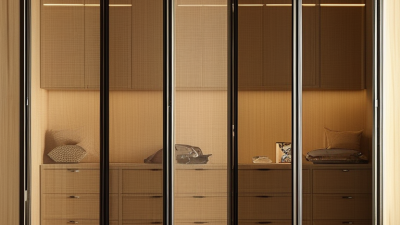
Bifold closet doors suit rooms where a swinging door would waste floor space. Their folding panels open neatly toward the closet edges. Material choice affects weight, durability, and maintenance. Solid wood offers warmth and strength, but it needs careful alignment. Engineered wood usually costs less and resists seasonal movement better. Moisture-resistant panels work well near bathrooms, though they still need dry ventilation. Glass panels can brighten a dark hallway. They also reveal clutter, which some homeowners may regret.

Style should support the room rather than compete with it. Flat panels create a clean, modern appearance. Shaker-style panels add familiar architectural detail. Slatted designs bring texture and allow limited visual airflow. Full-length mirrors can make a narrow bedroom feel larger. However, reflections may feel busy opposite patterned wallpaper. Choose hardware that matches the door weight and opening frequency. A strong top track matters more than decorative handles. Poor installation can cause rubbing, noise, or uneven gaps.

Tips: Measure the opening at several points before ordering. Check the floor for levelness. Leave enough clearance for thick carpet. Test the folding direction with cardboard panels first. I once underestimated handle projection, and the doors opened awkwardly. That small detail changed the whole layout. When uncertain, choose repairable materials and simple hardware. Fancy details are not always better.

Factors to Consider Before Choosing Bifold Doors

Why Choose Bifold Closet Doors for Your Home?

Before choosing bifold closet doors, measure the opening at several points. Walls and floors are rarely perfectly square. A small difference can cause rubbing, uneven folds, or difficult operation. Leave enough clearance for handles, baseboards, and nearby furniture. A detailed measurement prevents expensive adjustments later.

Think about the room’s daily use. Bifold doors need space to fold inward, so check shelves, drawers, and hanging clothes. For a narrow bedroom, they may save more floor space than swinging doors. However, the folded panels still occupy part of the closet opening. That trade-off is easy to overlook. Consider solid panels if privacy matters, or glazed sections if the room needs more light. Choose moisture-resistant materials for laundry areas, but do not assume every coating handles constant humidity.

Hardware deserves careful attention. Smooth tracks, strong hinges, and stable guides affect noise and long-term performance. Lightweight panels may be easier to operate, while heavier panels can feel more substantial. They also place greater demand on the frame. An installer should check the wall structure before fitting the doors. Poor alignment is frustrating. It can also shorten the life of the hardware. During selection, examine cleaning needs, repair access, and the availability of replacement parts. The most attractive option may not be the most practical one.