| Definition |
Interior bifold door |
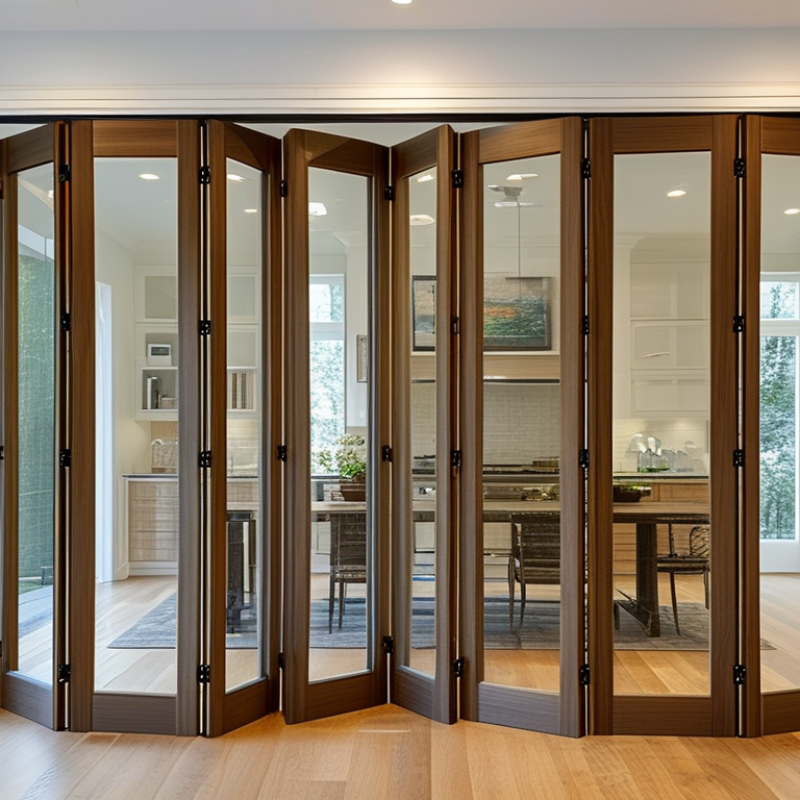
A door made of two or more hinged panels that fold together when opened. |
It is commonly used where a conventional swinging door would require more clearance. |
| Operating Motion |
Folding movement |
The panels are connected by hinges and fold against one another as the door moves along its track. |
The folding action keeps much of the door within or close to the opening rather than swinging deeply into the room. |
| Main Hardware |
Track, pivots, hinges, and guides |
Typical systems use an overhead track, pivot hardware, panel hinges, and a guide or pivot component near the floor. |
Correct alignment and secure fastening are important for smooth operation. |
| Panel Configuration |
Two-panel and multi-panel designs |
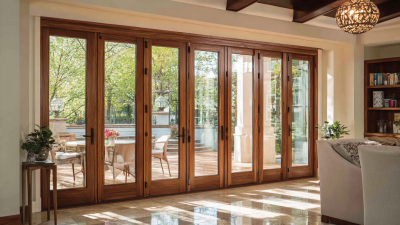
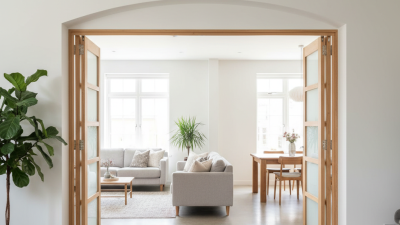
A two-panel door folds as a pair, while wider openings may use multiple panels arranged in one or more folding pairs. |
The number of panels affects the appearance, stacking position, and required hardware. |
| Opening Direction |
Single-sided or split opening |
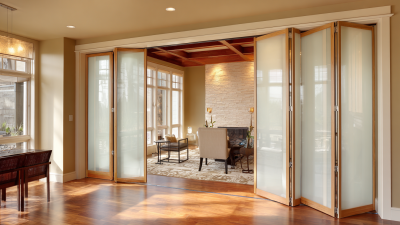
Depending on the hardware layout, panels may fold toward one side or divide and fold toward both sides of the opening. |
The opening direction should be selected around furniture, walls, trim, and traffic flow. |
| Space Requirement |
Reduced swing clearance |
Bifold doors generally need less floor area in front of the opening than hinged doors. |
They still require room beside or inside the opening for the folded panels to stack. |
| Common Interior Uses |
Closets, storage areas, and room openings |
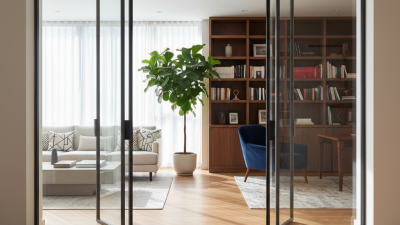
They are frequently used for wardrobes, linen closets, laundry areas, pantries, and selected room dividers. |
They are especially useful when access to a broad opening is desired without a large swinging door leaf. |
| Typical Materials |
Wood, engineered wood, composite, or glass |
Interior bifold panels can be manufactured from solid wood, wood-based materials, composite materials, or framed glass. |
Material choice affects weight, appearance, durability, cleaning needs, and hardware requirements. |
| Door Weight |
Hardware-dependent load |
The track, pivots, hinges, and fasteners must be rated for the combined weight of the door panels. |
Heavy panels may require stronger hardware and more careful installation than lightweight hollow-core panels. |
| Installation Surface |
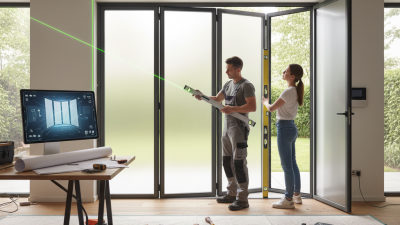
Level and structurally sound opening |
The head jamb or upper framing must be straight and secure enough to support the track and operating hardware. |
An uneven opening can cause rubbing, uneven gaps, or difficulty keeping the panels aligned. |
| Clearance |
Panel and floor clearance |
Small, consistent gaps are needed around the panels so they can fold and travel without contacting the frame or floor. |
Clearance should account for flooring thickness, seasonal movement, and the door’s folding path. |
| Advantages |
Access and space efficiency |
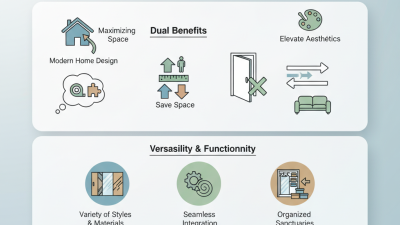
Bifold doors can provide a wide opening, require limited swing space, and offer flexible design options. |
They can improve access to storage while preserving usable floor area near the doorway. |
| Limitations |
Less isolation than a solid hinged door |
Many interior bifold systems have multiple joints and perimeter gaps, which may reduce sound, light, and draft control compared with a tightly sealed solid door. |
They may be less suitable where privacy, acoustic separation, or strong temperature control is the primary objective. |
| Maintenance |
Hardware inspection and adjustment |
Routine care may include cleaning the track, checking fasteners, inspecting hinges, and adjusting pivots or guides when necessary. |
Keeping the track free of debris helps reduce resistance and abnormal noise during operation. |
| Safety Consideration |
Pinch points and secure hardware |
Folding panels create moving joints where fingers can be pinched, and loose hardware can affect door stability. |
Use properly installed hardware, operate the door by its handle, and keep children’s fingers away from folding joints. |