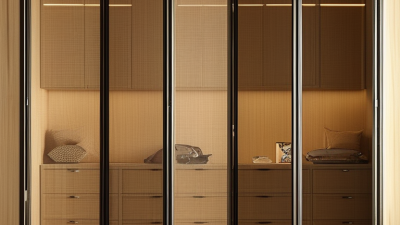
7 Best Bifold Barn Doors for Easy Installation?
Choosing the right bifold barn doors begins with more than attractive wood grain or black steel hardware. The door must fold smoothly, clear nearby furniture, and fit the wall’s structure. This guide compares seven practical options for homeowners, renovators, and small-space designers. Each choice is assessed through installation effort, track quality, panel weight, clearance, noise, and long-term maintenance.
Door-hardware consultant Michael J. Fox offers a useful warning: “A beautiful door still fails when its measurements are wrong.” That principle matters here. A narrow hallway may need compact panels, while a pantry requires dependable alignment and easy cleaning. Look for pre-drilled components, clear instructions, adjustable rollers, and sturdy mounting plates. These details can reduce installation frustration.
Still, “easy installation” is not always simple. Uneven walls, weak studs, or a ceiling-mounted light can create problems. I have seen attractive hardware sit unused because the opening was measured too quickly. That is worth remembering. A level, stud finder, drill, and second pair of hands remain valuable. Some doors may install in an afternoon. Others need patient adjustments.
The seven bifold barn doors below focus on realistic installation conditions. They include modern, rustic, budget-friendly, and space-saving designs. Expect honest trade-offs, not perfect promises. The best option is the one that fits your opening, tools, skill level, and daily routine.
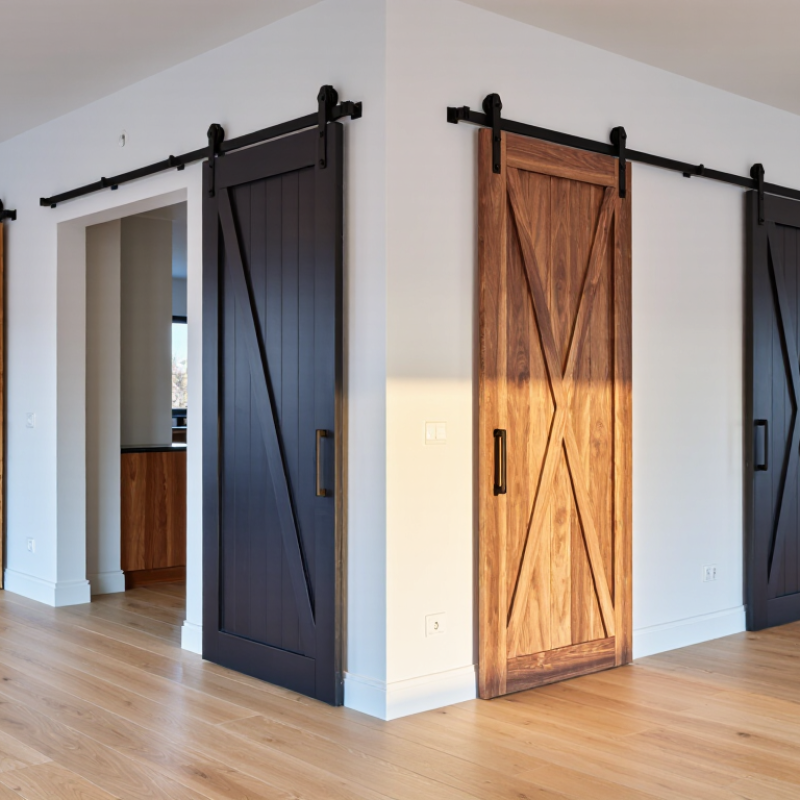
Understanding Bifold Barn Door Design and Installation Requirements
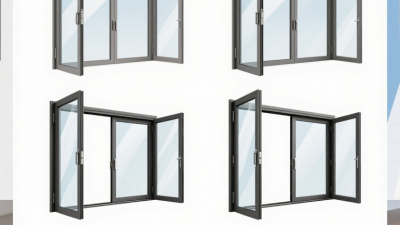
Bifold barn doors combine the compact movement of folding panels with the visual appeal of sliding hardware. Their design matters before installation begins. Each panel needs enough space to fold without touching nearby walls, furniture, or light switches. Measure the opening, ceiling height, and side clearance carefully. A small error can create rubbing, uneven folds, or difficult operation. Check the door weight against the track, hinges, pivots, and floor guide. These parts must work as one system.
The wall structure also controls installation quality. Fasten the track into solid framing, not only drywall. If framing is unavailable, use a properly rated reinforcement method. Confirm that the header can carry the complete door assembly. Use a level across the full track length. Even slight slopes can make the panels drift or resist closing. I have found that dry-fitting every component prevents expensive corrections. Still, some measurements change after the opening is trimmed. Recheck them. Do not trust the first measurement completely.
Tips:
Leave a small, even gap around the panels. Preassemble the folding hardware on a flat surface. Mark every hinge position before drilling. Test the door slowly before tightening final screws. A floor guide should steady the panels without creating a trip hazard. If the movement feels stiff, inspect alignment before adding force. That simple pause often reveals the real problem.
Key Features to Consider When Choosing an Easy-Install Bifold Barn Door
7 Best Bifold Barn Doors for Easy Installation?
Easy installation begins with accurate sizing, not attractive hardware. Measure the opening width, height, and wall clearance twice. A bifold system needs enough room for folded panels near the jamb. Do not guess. Look for pre-drilled panels, labeled hardware, and a track with simple adjustment points. These details reduce cutting and alignment errors during installation. A complete kit should include pivots, hinges, rollers, a floor guide, and mounting fasteners. Missing parts can turn a one-hour project into an expensive delay.
Track strength matters, especially with solid-wood or glass-panel doors. Check the listed door weight against the hardware rating, then leave a safety margin. ANSI/BHMA A156.14 covers performance testing for sliding and folding door hardware. That reference offers more confidence than vague claims such as “heavy duty.” The National Association of Realtors’ 2022 Remodeling Impact Report found that 56% of homeowners felt a greater desire to be home after remodeling. Quiet operation and smooth folding can support that comfort, but poor alignment quickly ruins it.
Choose soft-close hardware when children, pets, or narrow hallways are involved. A floor guide should resist lateral movement without damaging finished flooring. Wall blocking is essential when studs do not align with the track holes. For older homes, inspect the framing first. It may not be perfectly level. This is where installation becomes less predictable. A good door should include clear instructions, replacement hardware availability, and adjustable hinges. Those features matter more than decorative straps or oversized handles.
Seven Bifold Barn Door Styles Suitable for Different Spaces
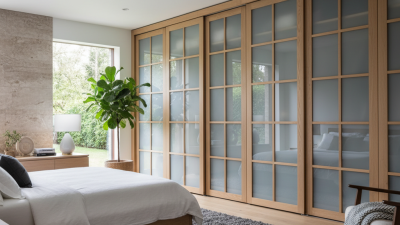
Bifold barn doors are practical when a swing door wastes circulation space. The best choice depends on light, privacy, and wall width. Seven adaptable styles include Shaker, solid-panel, glass-panel, frosted-glass, louvered, mirrored, and reclaimed-look designs. Each style folds inward, reducing the clearance needed beside the opening.
For a laundry room, a louvered pair improves airflow around warm appliances. The 2024 NAHB What Home Buyers Really Want report identifies laundry rooms as a preferred feature for 86% of surveyed buyers. A frosted-glass style suits a bathroom, while a mirrored pair can make a narrow bedroom feel larger. NAHB also reports strong demand for walk-in pantries, making solid-panel doors useful for hiding shelves and stored goods. Small rooms benefit most.
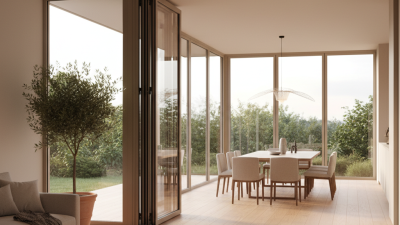
In open-plan living areas, Shaker or reclaimed-look panels add visual separation without blocking all movement. Glass panels help connect a kitchen and dining area, but they need safe glazing and accurate alignment. For easier installation, measure the opening, folded-door depth, header strength, and floor clearance before ordering. The Joint Center for Housing Studies projected annual homeowner improvement spending could reach 449 billion dollars by early 2025, showing continued renovation demand. Yet installation mistakes remain common. I once treated a slightly uneven header as harmless. It was not. A level track, suitable rollers, and a firm mounting surface matter more than decorative hardware.
7 Best Bifold Barn Doors for Easy Installation
Seven bifold barn door styles suitable for different spaces, compared by typical nominal opening width and panel count.
Wider openings generally require more panels or a paired bifold configuration. A two-panel door is often suitable for compact closets and bathrooms, while four-panel configurations provide practical coverage for wardrobes, pantries, and larger room openings. Actual dimensions should be confirmed against the finished opening before installation.
Step-by-Step Guide to Measuring, Preparing, and Installing the Door
Before choosing one of the seven best bifold barn doors, measure the opening carefully. Record the finished width, height, and wall thickness. Measure at the top, middle, and bottom. Uneven readings often reveal settling or framing problems. Measure twice. Leave enough clearance for both panels to fold without striking trim, handles, or nearby furniture. Check the floor with a level, not only your eyes.
Preparation determines whether installation feels simple or frustrating. Confirm that the header can support the door, track, rollers, and repeated movement. Solid framing is safer than relying on thin wall covering. Mark stud locations before drilling. Gather a level, tape measure, drill, suitable anchors, shims, and a screwdriver. Follow the supplied hardware instructions because pivot positions and track spacing can differ. Keep the floor clear.
Install the track straight and secure every fixing point firmly. A small error at the track can make the panels drift or bind. Attach the upper pivots, then fit the lower guides and adjust the folding alignment. The panels should move smoothly without scraping. I once ignored a slight floor slope and spent more time correcting the guides than expected. That mistake taught me to check the opening again before final tightening. Test the door repeatedly, inspect screw seating, and leave a narrow, even gap around the panels. Small gaps matter. If the wall, header, or hardware seems unsuitable, pause and seek qualified local advice.