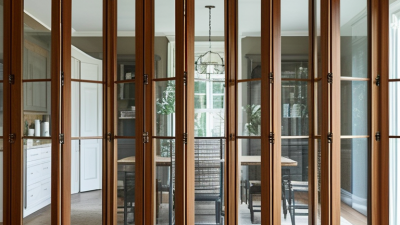
How to Choose the Best Folding Doors for Your Home?
When considering the best folding doors for your home, it’s crucial to understand your options. Renowned architect and folding doors specialist, Sarah Langley, emphasizes, “Folding doors create open and inviting spaces.” This sentiment resonates deeply when homeowners look to enhance their living areas with flexibility and style.
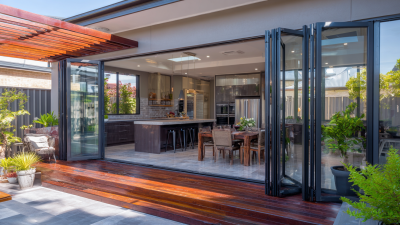
Folding doors can dramatically transform a space. They allow for natural light to flow in and provide seamless transitions between indoor and outdoor areas. However, choosing the right folding doors can be overwhelming. Material, size, and design all play pivotal roles. Each choice affects durability, aesthetics, and functionality. It's essential to reflect on how often you'll use the doors and the weather in your area.
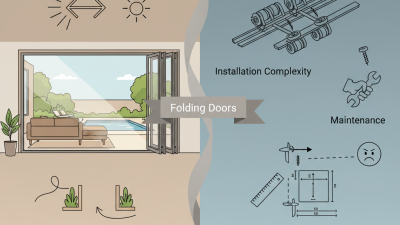
An often overlooked aspect is installation complexity. Many guides simplify the process, yet professional help might be needed. Mistakes during installation can lead to poor performance. Therefore, having reliable sources and expert advice will ensure you select the ideal folding doors. Personal experience and professional insights greatly enhance this decision-making journey.
Understanding the Different Types of Folding Doors Available
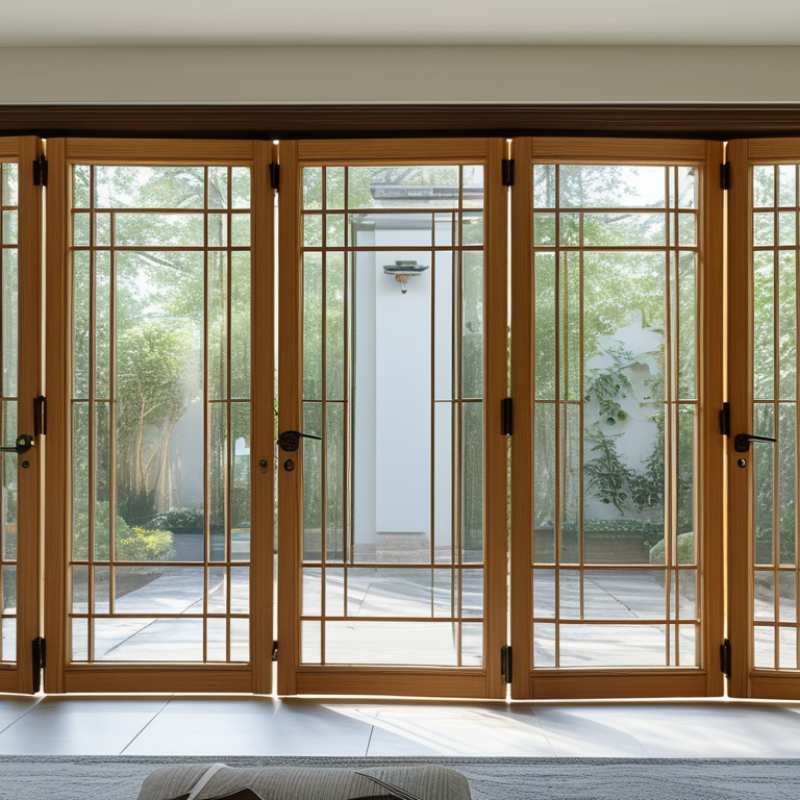
Folding doors come in several styles, each with unique features. Bi-fold doors are popular for their space-saving design. They open up completely to provide a wide entrance, perfect for connecting indoor and outdoor areas. Sliding folding doors, on the other hand, glide along a track. They offer a sleek look and are ideal for smaller spaces where a bi-fold may not fit.
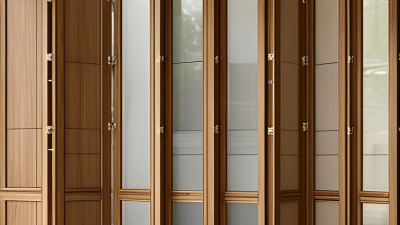
When exploring options, consider the material. Wooden folding doors provide warmth and elegance. However, they require maintenance to prevent warping. Aluminum doors are durable and low-maintenance, making them suitable for modern homes. Each material has advantages and drawbacks, so weigh them carefully.
Consider size and functionality. Measure your openings accurately. The height and width of your doors should complement the overall aesthetic. Think about how often you will use the doors. If you plan to use them frequently, select high-quality hardware for longevity. Pay attention to the door's insulation and energy efficiency. This can impact your utility bills. Aesthetics should align with your home’s decor, but practicality should lead your decision.
Evaluating Your Space and Design Aesthetic for Folding Doors
When selecting folding doors, it's crucial to evaluate your space thoughtfully. Are your rooms open and airy or compact and cozy? The dimensions of your space dictate your door size. Large doors can create a fluid transition between indoor and outdoor areas. Smaller doors may suit tighter layouts, emphasizing intimacy while still providing access.
The design aesthetic of your home plays a significant role. Do you prefer a modern look with sleek lines, or is a rustic charm more appealing? Materials vary widely—from glass to wood. Glass enhances natural light, creating openness. Wood offers warmth and character. Consider the architectural style of your home to ensure coherence.
It’s easy to overlook how a door can impact a room's flow. Sometimes, a bold choice may seem appealing, but it could clash with existing elements. Reflect on the existing color palette and furnishings. A mismatched design might feel disjointed. Finding harmony is essential for achieving a cohesive look in your home.
Evaluating Space and Design Aesthetic for Folding Doors
Assessing the Materials and Durability of Folding Doors
When selecting folding doors for your home, material and durability are paramount. Wooden doors exude warmth and charm. However, they require regular maintenance to prevent warping. Metal options, on the other hand, are sturdy and weather-resistant, yet may lack the aesthetic appeal of wood. Consider how frequently you'll use the doors. Frequent use demands durable materials that withstand wear and tear over time.
Vinyl is another popular choice for its low maintenance needs. It resists fading, wear, and weather damage, making it practical for many homeowners. But, its aesthetic flexibility can sometimes feel limited compared to wood or glass. Glass doors can bring in light and create a spacious feel. Yet, they are prone to scratches and may need more cleaning. Assess your lifestyle. If you have kids or pets, opt for materials that can endure rough handling.
Reflect on your long-term needs. Doors can be a significant investment. Weakness in material can lead to faster replacements and increased costs. Researching the pros and cons of each material helps in making a sound choice. Don’t forget to check warranties. They reflect the manufacturer's confidence in their product's durability. Prioritize your requirements, and ensure you choose wisely to enhance your home’s overall comfort and appeal.
Considering Energy Efficiency and Insulation Features
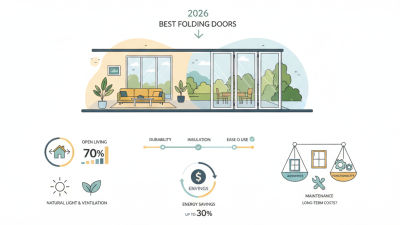
When selecting folding doors for your home, energy efficiency becomes crucial. With growing concern about climate change, homeowners are opting for materials that offer superior insulation. According to the U.S. Department of Energy, up to 30% of a home's energy can be lost through poorly insulated doors and windows. Investing in energy-efficient folding doors can significantly minimize these losses, leading to reduced heating and cooling costs.
Look for doors with high R-values, which measure thermal resistance. A good insulation value can dramatically affect your home's comfort. The Energy Star program reports that using energy-efficient doors can save an average of $200 annually on energy bills. In colder climates, double-glazed folding doors are often recommended to improve insulation. These doors not only reduce heat loss but also dampen outside noise, enhancing your living environment.
However, not all folding doors are created equal. Some may boast energy efficiency but fail to deliver due to inadequate installation. Poor sealing can result in drafts and air leaks. Homeowners should consider professional installation to ensure maximum performance. Evaluating both materials and installation practices is vital for achieving long-lasting energy efficiency in your home.
Budgeting and Installation Options for Folding Doors
When planning to install folding doors, budgeting is crucial. The cost varies based on materials and installation complexity. Wood doors tend to be pricier than aluminum or vinyl options. Consider the long-term benefits versus immediate costs. While a lower-priced door may save money now, it can lead to additional repair costs later.
Installation also plays a significant role in your budget. Hiring professionals ensures proper fitting and functionality. DIY installation might seem appealing, but it requires specific skills and tools. Mistakes can lead to costly fixes. Always factor in the potential for hidden costs, such as structural adjustments to your home.
Think about maintenance too. Some materials need regular upkeep. Others are low-maintenance but may come with a higher initial cost. Reflect on your lifestyle. If you travel often, durable materials may be a better choice. Balancing quality and affordability can be challenging, but it's key to a successful purchase.