Top 10 Folding Doors You Need to Know About?
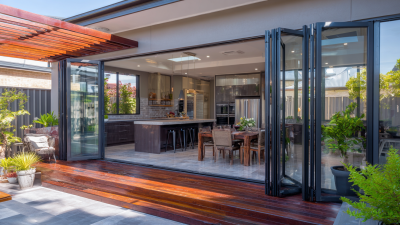
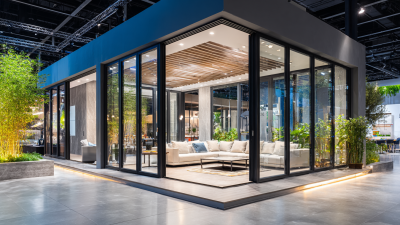
Folding doors are more than just functional necessities; they are impactful design elements. These versatile doors can transform any space, blending aesthetics with practicality. With a range of styles and materials, folding doors cater to different tastes and needs. They provide seamless transitions between indoor and outdoor areas, enhancing natural light.
Understanding the various options available is crucial. Each type of folding door comes with its benefits and drawbacks. Some might struggle with maintenance, while others may lack insulation. Customers often find themselves overwhelmed by choices. It's essential to consider not only style but also durability and ease of use.
As we dive into the top 10 folding doors you need to know about, keep in mind how each selection can influence your space. You'll discover innovative designs, smart technology, and the importance of quality. Making an informed choice ensures you select the best folding door for your home or office.
Overview of Folding Doors: Types and Benefits
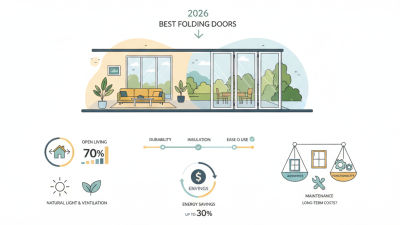
Folding doors have gained popularity due to their versatility and aesthetic appeal. They provide a seamless transition between indoor and outdoor spaces. A report by the National Association of Home Builders found that 78% of homeowners prefer open floor plans, an area where folding doors excel.
Various types of folding doors are available, including bi-fold and multi-fold options. Each type offers unique benefits like maximizing space and enhancing natural light. Many designs feature durable materials such as aluminum and wood, which can withstand harsh weather conditions. According to industry research, folding doors can improve energy efficiency by up to 30%, reducing heating and cooling costs.
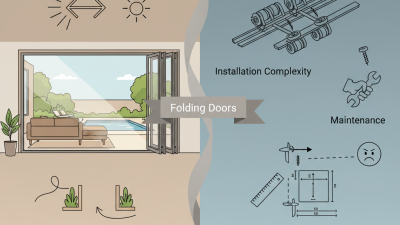
Despite their advantages, some homeowners express concerns about installation. Proper alignment is crucial; poorly fitted doors can lead to operational issues. Many choose to hire professionals for installation, but this incurs additional costs. It's essential to weigh these factors against the long-term benefits of enhanced living spaces. The investment often pays off, particularly in resale value, where folding doors can elevate property appeal by 10-15%.
Popular Materials Used in Folding Door Construction
Folding doors are becoming increasingly popular in modern architecture. They are great for connecting indoor and outdoor spaces. The materials used in their construction greatly affect performance and aesthetics.
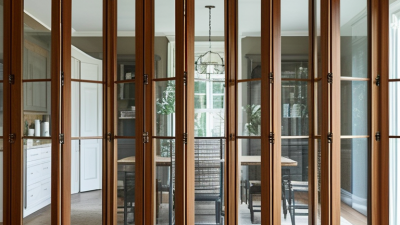
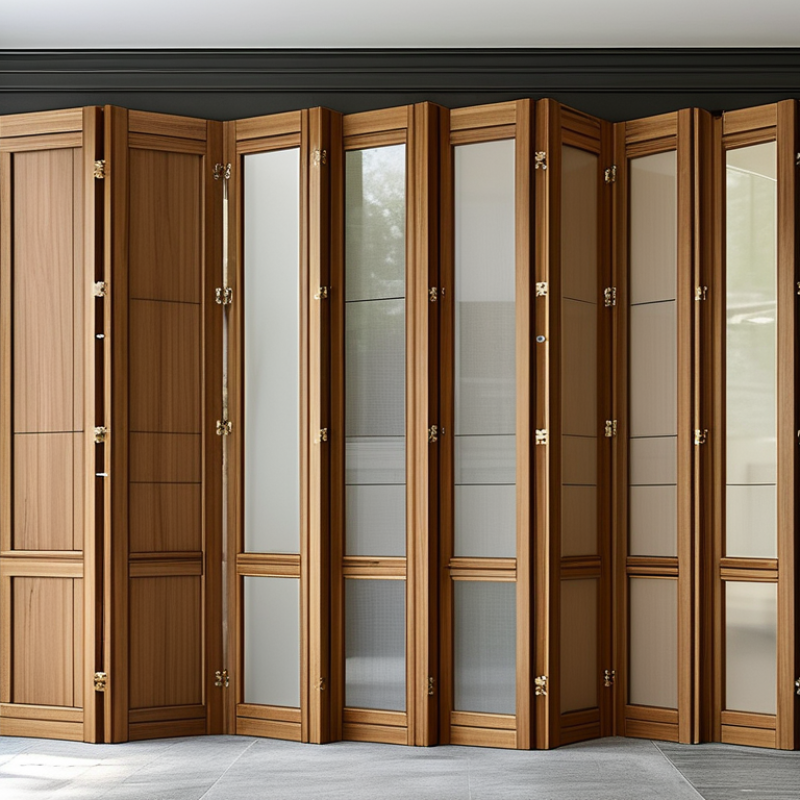
Wood is a classic choice for its warmth and beauty. It can be tailored to fit various styles and preferences. However, wood may require regular maintenance to prevent warping or rotting. Aluminum is a strong alternative, offering durability and resistance to weather. It’s lightweight and can be easily integrated into sleek, contemporary designs. Yet, aluminum may lack the same charm as wood.
Vinyl is another viable option, known for being low-maintenance and energy-efficient. While it won’t warp, it’s essential to ensure it withstands extreme temperatures. Glass is often incorporated for its ability to invite natural light into spaces. However, heavy glass panels can be fragile and require careful handling. Each material has its pros and cons, and selecting the right one requires thoughtful consideration of the specific environment and purpose.
Top 10 Folding Doors - Popular Materials Used in Folding Door Construction
Top 10 Folding Door Brands and Their Features
Folding doors have become increasingly popular in residential and commercial spaces. They offer both functionality and aesthetic appeal. Research shows that folding doors can increase space efficiency by up to 30%. This makes them ideal for modern designs where open-concept layouts are favored.
Several brands lead the folding door market, each with unique features. Some models offer energy-efficient glass options, enhancing insulation. Others focus on durability, utilizing materials like aluminum and engineered wood that withstand diverse weather conditions. A recent industry report highlighted that over 45% of consumers prioritize durability when selecting doors.
However, buyers often overlook installation requirements. Improper installation can lead to performance issues. Many brands provide detailed guidelines, but hiring a professional is advisable. It's crucial to understand product specifications fully. Some doors may require more maintenance than expected. Before making a decision, consider both immediate needs and long-term care to ensure satisfaction with your purchase.
Top 10 Folding Doors You Need to Know About
| Feature |
Specification |
Benefit |
Ideal Use |
| Material |
Aluminum |
Durable and rust-resistant |
Commercial spaces |
| Glazing Options |
Double Glazing |
Improved insulation |
Residential homes |
| Opening Style |
Bi-fold |
Maximizes space |
Patios and balconies |
| Security Features |
Multi-point locking |
Enhanced safety |
Entryways |
| Customization |
Color and size options |
Personalized aesthetics |
Both residential and commercial |
| Energy Efficiency |
Low-E Glass |
Reduced energy costs |
Eco-friendly buildings |
| Maintenance |
Low maintenance |
Saves time and effort |
Busy households |
| Acoustic Performance |
Soundproof options |
Reduces noise pollution |
Urban environments |
| Installation Type |
Pre-hung systems |
Quick installation |
Renovations |
| Warranty |
10 years |
Peace of mind |
Homeowners |
Installation and Maintenance Tips for Folding Doors
When it comes to folding doors, installation and maintenance are key factors for ensuring longevity and performance. A report by the American Institute of Architects states that properly installed folding doors can increase a property’s resale value by up to 15%. Accurate measurements must be taken before installation to avoid complications. Outline your opening size clearly and ensure you have all necessary tools at hand. The alignment of tracks is crucial; misalignment can lead to operational issues.
Regular maintenance can help prolong the life of your folding doors. It is recommended to check hinges and tracks every few months for dirt and wear. A study from the Door and Hardware Institute shows that 30% of door malfunctions come from neglected maintenance. Using mild soap and water can effectively clean the surfaces without causing damage. Avoid using abrasive materials that could scratch the finish.
A good practice is to lubricate all moving parts at least twice a year. This will help keep the doors sliding smoothly. If you notice any stiffness or noise, it could indicate that adjustments are needed. Be proactive rather than reactive; small issues can often lead to bigger repairs if not addressed promptly.
Design Considerations: Choosing the Right Folding Door for Your Space
When considering a folding door for your space, design choices matter. Many factors affect functionality and aesthetics. For instance, the average homeowner spends about $3,000 on folding doors, based on industry statistics. It's essential to select materials that match your style and budget. Aluminum and wood are among the top choices, with aluminum offering durability and wood providing warmth.
The space's layout is another key consideration. Folding doors can create an illusion of openness in smaller areas. According to architectural studies, using folding doors can improve natural light by up to 30%. However, installation and quality matter. Poorly installed doors may not glide smoothly or provide adequate insulation. It’s critical to consider the local climate as well. Extreme temperatures can affect door performance.
Bear in mind that aesthetics should align with your home's style. A door that looks great may not function well in practical scenarios. Choose colors and finishes that enhance your decor but also withstand wear over time. Remember, a mismatched design could lead to regrets later. Research suggests that nearly 25% of homeowners wish they had consulted a design professional before installation. A well-informed choice leads to long-lasting satisfaction.