What Are the Top Modern Interior Doors for Global Buyers?

Global buyers are looking beyond plain swing doors. They want modern interior doors that save space, soften sound, and strengthen a room’s visual rhythm. Grand View Research reports that the global interior doors market was valued at approximately USD 56 billion in 2023. It also projects steady growth through 2030, supported by residential renovation and commercial development. The numbers look convincing. Yet they do not explain every buyer’s priorities.

In compact apartments, a pocket door can release valuable floor space. In a hotel corridor, a solid-core leaf can reduce noise between rooms. Fluted glass may carry daylight into a dark hallway, but it offers less privacy. These details matter more than a fashionable product image. Interior designer Kelly Hoppen offers a useful design principle: “The key to great design is capturing the spirit of the client and the essence of the space.” Her view fits modern interior doors because appearance should follow function, not replace it.

Reports from MarketsandMarkets also identify sustainability, customization, and premium materials as important construction trends. However, global comparisons remain imperfect. Testing standards, climate conditions, installation methods, and fire-rating requirements vary by market. A beautiful door may still perform poorly after careless installation. That uncomfortable point deserves attention. This guide compares leading modern interior doors through design, durability, acoustics, maintenance, and value. It considers timber veneer, glass, aluminum, flush panels, sliding systems, and other practical options. The best choice is rarely the most expensive one. It is the door that fits the building, the user, and the local conditions.
What Are the Top Modern Interior Doors for Global Buyers?

What Defines a Modern Interior Door for Global Buyers?

A modern interior door for global buyers is more than a flat panel with hidden hinges. It combines clean geometry, practical movement, and reliable performance in daily use. Many buyers prefer slim frames, flush surfaces, and calm colors such as warm white, walnut, or charcoal. These details suit apartments, hotels, offices, and renovated heritage homes. Looks can mislead. A beautiful door may scrape the floor or amplify hallway noise.

Global projects reveal small problems. They matter. Door sizes, wall thicknesses, and hardware systems vary between regions. Metric and imperial measurements should be checked before production. In humid coastal areas, moisture-resistant cores and stable surface finishes can reduce swelling. In colder climates, accurate sealing may improve comfort near interior utility rooms. Professional specifications should also address hinge strength, latch quality, sound control, and local fire or accessibility requirements.

Installation experience often decides whether a modern door feels premium. A qualified installer should inspect the opening, floor level, swing direction, and surrounding trim. I have seen sleek doors lose their appeal because handles were placed too low or clearances were ignored. That is an easy mistake. Soft-close hardware, concealed hinges, and magnetic latches can create a quieter experience, but they still need adjustment. The best modern design is not always the most minimal one. It should remain easy to repair, clean, and replace years later. For global buyers, honest drawings and tested samples are more valuable than attractive images alone.

What Are the Top Modern Interior Doors for Global Buyers?

What Defines a Modern Interior Door for Global Buyers?

Acoustic performance is one of the most practical ways to compare modern interior doors. Solid-core, acoustic-rated, flush, and laminated-glass doors are widely selected because they combine clean design with privacy, durability, light transmission, or space efficiency.

The chart shows typical laboratory sound-reduction ranges in decibels (dB) commonly associated with these door constructions. Actual performance depends on the complete door assembly, frame, seals, installation, and test standard. EN/ISO and ASTM ratings are not directly interchangeable.

Which Modern Interior Door Materials and Designs Are Most Popular?

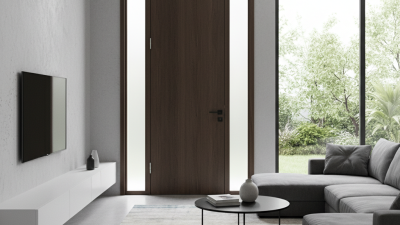
Modern interior doors are increasingly defined by practical materials and clean, adaptable designs. Across residential projects, buyers often choose engineered wood with natural veneer because it offers stable performance and a warm appearance. Solid wood remains attractive, but humidity can cause movement if the construction is poorly controlled.

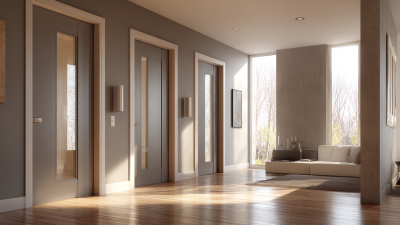
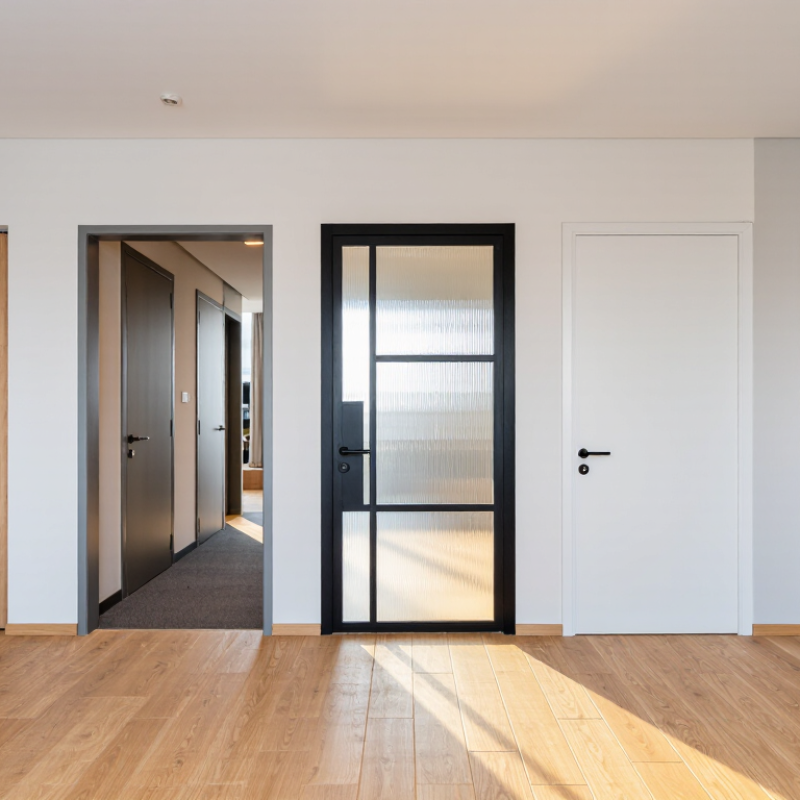
Glass is also popular, especially in home offices, kitchens, and narrow hallways. Clear glass brings daylight into darker areas, while fluted or frosted glass provides more privacy without making a room feel closed. Quiet matters. For bedrooms and study rooms, a solid core door with reliable seals usually performs better than a lightweight hollow door.

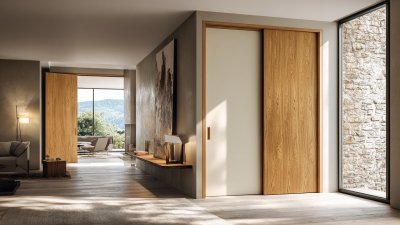
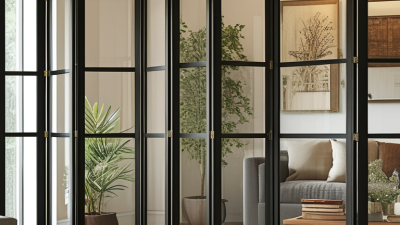
Sliding and pocket doors suit compact apartments, though their hardware needs careful installation. Flush doors create a calm wall-like surface, while slim black frames add stronger visual contrast. Many global buyers prefer soft white, pale oak, and muted gray because these finishes coordinate with different flooring styles. Not always.

From practical installation experience, door thickness, hinge quality, and frame alignment often matter more than decoration. Buyers should check moisture resistance in coastal or tropical regions and review local safety requirements before ordering. A beautiful door can still disappoint when the swing direction, handle height, or opening size is ignored. I have seen projects where the design was excellent, but inaccurate measurements created costly adjustments. Conversational design choices deserve more attention.

How Do Door Styles Match Different Interior Spaces?

Modern interior doors work best when their style follows the room’s movement, light, and privacy needs. Grand View Research’s 2024 market analysis projects steady growth in the global interior doors market through 2030, driven partly by renovation and space-efficient design. That demand is visible in compact apartments, where pocket doors can free nearly one metre of swing space. They suit en-suite bathrooms, kitchens, and narrow corridors.

For living rooms and studies, glazed hinged doors spread daylight while preserving acoustic separation. The 2024 Houzz & Home Study reported that many homeowners continue investing in whole-home improvement projects, not isolated room upgrades. This supports coordinated door planning. A flush door with a warm wood tone can connect several rooms quietly. A darker framed glass door creates a stronger boundary around a home office. It can feel too formal, though.

Bedrooms need calm surfaces and dependable privacy. Solid-core doors reduce everyday noise better than hollow-core models, according to acoustic guidance commonly used in professional architectural specifications. Sliding doors suit wardrobes and compact bedrooms, but their seals usually block less sound. That detail is often missed. For high-traffic family areas, durable laminate or painted timber handles frequent contact and cleaning. The National Kitchen & Bath Association’s 2024 design research also highlights practical storage and flexible layouts, making space-saving door systems increasingly relevant. Style still matters. Yet a beautiful door that collides with furniture is a design failure.

What Are the Top Modern Interior Doors for Global Buyers? - How Do Door Styles Match Different Interior Spaces?
Modern Door Style Recommended Interior Spaces Typical Construction Common Nominal Sizes Natural Light Privacy Level Space Efficiency Global Buyer Considerations
Flush Panel Door
★★★★★
Bedrooms Hallways Home Offices Smooth face with a solid-core or honeycomb-core construction, commonly finished with paint, veneer, or laminate. Width: 600–1000 mm
Height: 1900–2400 mm
Thickness: 35–45 mm
Low High with a solid core Excellent; hinged operation requires a clear swing area. Easy to coordinate with minimalist interiors. Confirm hinge positions, handing, frame depth, and local fire or acoustic requirements.
Full-Height Glass Door
★★★★★
Living Areas Dining Rooms Home Offices Tempered safety glass in a slim metal, timber, or concealed-frame system. Clear, frosted, tinted, or fluted glass options are common. Width: 700–1200 mm
Height: 2000–2700 mm
Glass: commonly 8–12 mm
Very high Low to medium, depending on glass treatment Good; hinged or pivot layouts need swing clearance. Specify safety-glass standards, hardware finish, glass transparency, edge protection, and thermal movement allowances where relevant.
Framed Glass Grid Door
★★★★☆
Kitchens Dining Areas Studio Spaces Multiple glass panes separated by narrow vertical and horizontal rails, usually in metal or timber frames. Width: 700–1200 mm
Height: 2000–2400 mm
Glass: commonly 6–10 mm
High Medium Good; available as hinged, pivot, or sliding configurations. Provides visual separation without making rooms feel smaller. Check grid alignment, cleaning access, hardware load limits, and corrosion resistance.
Pocket Sliding Door
★★★★★
Small Bedrooms Bathrooms Utility Rooms A door panel slides into a concealed wall cavity or pocket cassette instead of swinging into the room. Width: 600–1000 mm
Height: 1900–2400 mm
Thickness: 35–45 mm
Low to medium Medium to high Excellent; eliminates the floor area required for a door swing. Requires sufficient wall depth and careful coordination with electrical, plumbing, and structural elements. Soft-close hardware can improve usability.
Surface-Mounted Sliding Door
★★★★☆
Living Rooms Bedrooms Flexible Partitions A solid or glazed panel runs along an exposed track mounted above the opening or on the wall surface. Width: 700–1200 mm
Height: 1900–2700 mm
Panel thickness: 35–50 mm
Medium to high Medium to low Very good; no swing arc is needed, but adjacent wall space is required. Confirm wall strength, track length, anti-jump protection, floor guides, and the required overlap for effective visual closure.
Double Interior Door
★★★★☆
Dining Rooms Lounges Large Openings Two coordinated door leaves with matched finishes and a central meeting line; can be solid, glazed, or mixed. Overall width: 1200–1800 mm
Height: 2000–2400 mm
Thickness: 35–45 mm
Medium to high Medium to high Suitable for wide openings, but both leaves require swing clearance unless sliding hardware is used. Specify active and inactive leaves, astragal details, concealed flush bolts, clear opening width, and frame tolerances.
Louvered Modern Door
★★★☆☆
Laundry Rooms Closets Plant Rooms Door with angled or horizontal ventilation slats, manufactured from timber, composite, or engineered panel materials. Width: 500–900 mm
Height: 1900–2400 mm
Thickness: 35–45 mm
Medium Low Good for compact service spaces when hinged or bifold hardware is selected. Useful where airflow is needed. Confirm the free ventilation area, moisture resistance, slat durability, and cleaning requirements.
Bifold Interior Door
★★★★☆
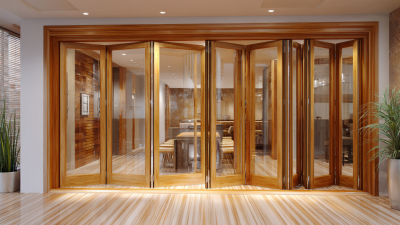
Closets Pantries Room Dividers Two or more connected panels fold and stack to one or both sides of the opening. Overall width: 600–2400 mm
Height: 1900–2400 mm
Panel thickness: 30–45 mm
Medium to high Medium Very good; needs less swing depth than a hinged door but requires stacking space. Check top-track capacity, floor-guide requirements, panel weight, opening width, and the number of folding leaves.
Acoustic Solid-Core Door
★★★★★
Bedrooms Meeting Rooms Media Rooms Dense engineered core with perimeter seals and a drop seal or threshold designed to reduce airborne sound transfer. Width: 600–1000 mm
Height: 1900–2400 mm
Thickness: 40–50 mm
Low High Standard hinged layout; acoustic performance depends on the complete door-and-frame assembly. Compare tested sound-reduction ratings rather than core material alone. Installation quality, seals, gaps, and wall construction are critical.
Note: Dimensions are typical international planning ranges and may vary by local building codes, structural openings, accessibility requirements, and project specifications. Always confirm the finished opening, frame system, hardware, and performance requirements before ordering.

What Performance Features Should International Buyers Compare?

Modern interior doors should be compared by measurable performance, not appearance alone. International buyers need verified data for sound control, fire resistance, moisture stability, durability, and accessibility. The 2024 Global Status Report for Buildings and Construction reports that buildings consume 32% of global energy and produce 34% of energy-related carbon emissions. That matters. Doors between conditioned rooms should have documented thermal performance where applicable.

Sound matters. The World Health Organization’s Environmental Noise Guidelines for the European Region recommend less than 30 dB(A) in bedrooms at night. This is not a door rating, but it explains why acoustic performance deserves attention. Ask for laboratory-tested Rw or STC values under ISO 10140 and ISO 717-1. Check the sealing system, frame tolerances, and drop seals. A lab rating can disappoint on site. Measure the gap beneath the door.

Fire-rated models should show tested resistance periods, tested hardware, and installation limits under standards such as EN 1634-1. Never compare the leaf alone. The frame, hinges, seals, glazing, and wall assembly affect the result. For humid climates, request water-resistance and cycle-test evidence. Warping often begins near bathrooms and unsealed edges. Accessibility also matters; review opening force, clear width, and threshold height against local requirements. The imperfect detail is often the decisive one: a strong door fails when installers overlook alignment, sealing, or maintenance instructions. Compare complete tested assemblies, not attractive samples.

How Can Buyers Select Reliable Modern Interior Door Suppliers?

Global buyers often choose modern interior doors for clean lines, concealed hinges, flush surfaces, and durable finishes. Yet the door itself is only half the decision. A reliable supplier should explain core materials, edge construction, surface treatment, and hardware options clearly. Ask for production samples before placing a large order. Check whether the sample matches the promised color, weight, dimensions, and closing action. Small differences can become expensive during installation.

Tips: Request recent factory photos, product drawings, test reports, and customer references. Confirm the supplier’s production capacity, inspection process, packaging method, and replacement policy. A trustworthy team should also provide realistic lead times. Be cautious when every answer sounds perfect. Real projects often face color variation, shipping delays, or minor size adjustments. Honest suppliers discuss these risks early. They should also understand the safety, fire, moisture, and building requirements in your target market. Local compliance matters more than attractive sales language.

From my experience reviewing interior door projects, communication quality predicts many outcomes. Ask technical questions and observe the response. Does the supplier measure carefully? Can they recommend a suitable door for bedrooms, offices, or damp areas? Do they record approvals before production? Written confirmation protects both sides. Price still matters, but the cheapest quotation may hide thinner panels, weaker hinges, or limited after-sales support. I would not rely on promises alone. A practical trial order can reveal more than a polished catalog.