
Choosing among the top China Louvered Roof Panels suppliers requires more than comparing catalogue prices. It demands careful attention to materials, engineering, production experience, and after-sales support. A supplier may offer attractive aluminium profiles, yet fail to provide reliable drainage details or consistent powder coating. That difference becomes visible during heavy rain, strong sunlight, and repeated seasonal movement.
Paul Renson, a recognised outdoor-living industry leader, captured this market shift with the phrase, “The garden is the new living room.” His observation explains why Louvered Roof Panels now serve more than a decorative purpose. They help create usable outdoor areas with adjustable shade, controlled ventilation, and improved rain protection. However, suppliers should support these claims with test data, installation guidance, and transparent warranty terms. Marketing language alone is not enough.
This guide examines leading China-based manufacturers through practical buyer criteria. These include aluminium grade, blade design, motor performance, drainage capacity, customization options, certifications, and production quality control. Factory audits and sample testing can reveal details that websites often hide. Ask for close-up joint photographs. Request wind-load information. Check how water leaves the frame.
No supplier ranking is permanently perfect. Product lines change, export experience varies, and some published specifications remain incomplete. That uncertainty deserves honest recognition. Buyers should verify current documents before signing contracts. They should also compare communication speed and technical support, not only the lowest quotation. A dependable supplier should answer difficult questions clearly. That is often more valuable than a polished brochure.
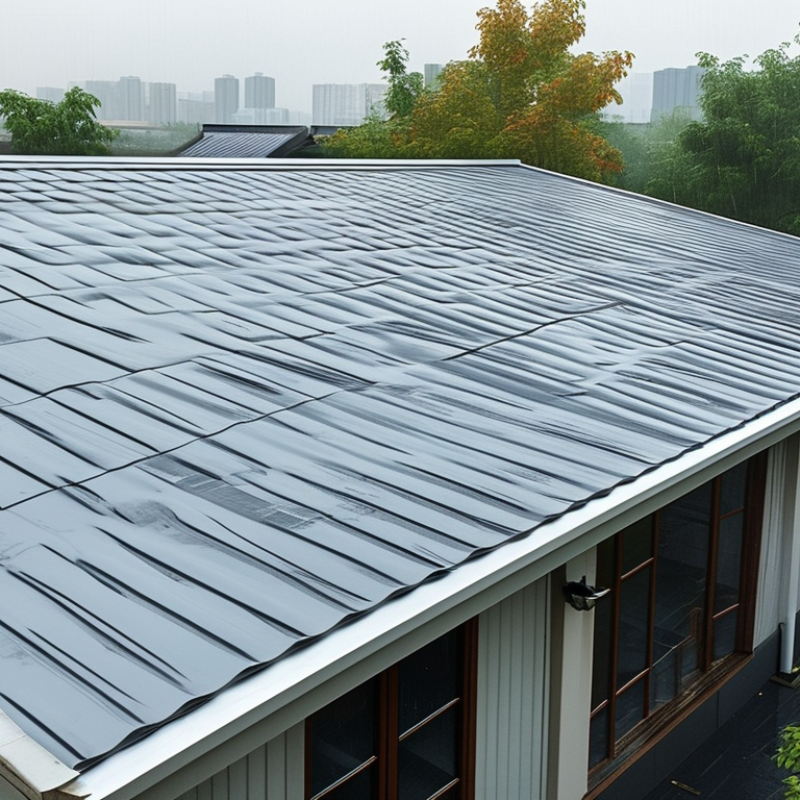
China louvered roof panels are adjustable outdoor roofing systems made mainly from powder-coated aluminum. Their horizontal louvers rotate to control sunlight, airflow, and rain protection. When open, warm air escapes through the gaps. When closed, the blades form a tighter weather barrier above a patio, restaurant terrace, or garden seating area.
Most systems use a motor, control box, and remote switch. Some include rain or wind sensors. A sensor can close the louvers when rain begins, but it should not replace regular inspection. Water usually flows along the angled blades into hidden gutters and downspouts. Good suppliers should explain the drainage path, blade thickness, coating process, motor protection, and tested wind-load limits. These details matter more than attractive product images.
From practical installation experience, the supporting posts need a level foundation and accurate alignment. A small error can cause uneven closing or visible water leakage. Buyers comparing China louvered roof panels suppliers should request technical drawings, sample finishes, warranty terms, and independent test records. Aluminum can resist corrosion, but coastal air still demands suitable coatings and routine cleaning. Some systems appear fully waterproof in brochures, yet heavy wind-driven rain may enter through joints. That limitation deserves honest discussion before purchase. A reliable supplier also provides replacement parts and clear installation guidance, not just a low quotation.
China’s louvered roof panel market includes several supplier types, each serving different project needs. Specialized aluminum extrusion factories produce profiles, blades, frames, and drainage channels. They often suit buyers needing custom dimensions or large production volumes. Their technical strength usually lies in alloy control, surface finishing, and tooling accuracy.
Architectural metal fabricators offer more flexible customization. They can combine cutting, welding, coating, and assembly for residential terraces, restaurants, and commercial courtyards. Integrated outdoor living manufacturers provide complete louvered roof systems, including motors, sensors, lighting channels, and rainwater management. OEM and ODM suppliers can adapt colors, control methods, packaging, and installation details. However, trading companies may coordinate many options without owning production lines, so their factory verification requires extra care.
Tips: Request material reports, coating samples, load-test records, and recent project photos. Ask whether testing covers the complete assembled roof, not only individual panels. Confirm drainage performance through a live water test. Check blade alignment, motor noise, corner connections, and replacement-part availability. A factory audit can reveal practical issues, such as crowded assembly areas or inconsistent inspection records. No supplier is perfect. Even experienced manufacturers may need design revisions after installation conditions change. Clear drawings, measured tolerances, and written acceptance standards reduce expensive misunderstandings.
Who Are the Top China Louvered Roof Panels Suppliers?
How to Compare China Louvered Roof Panel Suppliers
A reliable supplier should provide more than attractive product photos. Check the aluminum grade, blade thickness, frame structure, and powder-coating standard. Ask for test reports covering wind resistance, drainage, and motor safety. Factory experience matters, but documented quality control matters more. Request production photos, inspection records, and a clear explanation of each manufacturing step. A supplier that answers technical questions precisely usually understands its products.
Compare suppliers using the same project requirements. Send identical dimensions, roof layouts, color codes, and control-system expectations. Then review quotations line by line. Check what each price includes: motors, sensors, gutters, packaging, spare parts, and installation guidance. Lead time should include design confirmation and final inspection. A low quote may exclude essential components. That mistake becomes expensive later. Samples are useful, though one small sample cannot reveal every production weakness.
Tips: Ask for a working corner sample before placing a large order. Test blade movement, drainage, sealing, and remote controls. Confirm the warranty in writing, including response time and replacement procedures. Also inspect communication quality. Slow replies may signal future project delays. Do not rely only on certificates; verify issuing bodies and test conditions. I would also leave room for improvement in the comparison process. A supplier may pass every document check but still struggle with custom changes. Regular video inspections can expose that problem early.
A neutral procurement framework for comparing suppliers without relying on brand claims. The percentages represent recommended evaluation priorities for technical, compliance, and after-sales due diligence.
Verify structural performance through project-specific calculations or testing, weather resistance through documented water and air-tightness results, corrosion protection through coating specifications, and fire performance against the applicable local building code. Useful reference frameworks may include ASTM E330, ASTM E331, EN 13501-1, ISO 9001, and ISO 12944, depending on the project location and system design.
A dependable China louvered roof panels supplier should prove performance, not only display attractive samples. The 2024 International Energy Agency buildings report identifies buildings as responsible for about 30% of global energy demand. Therefore, suppliers should provide tested shading performance, airflow data, and material specifications. These figures need clear test conditions. Vague claims are not enough.
Aluminum panels should include alloy, temper, thickness, and dimensional tolerances. Structural calculations should follow local wind and snow requirements, such as ASCE 7 or relevant European standards. ASTM E330 evaluates resistance to uniform structural pressure. ASTM E331 checks water penetration. A serious supplier can provide laboratory reports, load tables, and installation drawings. Short answer: demand traceable evidence.
Coating quality also deserves close inspection. AAMA 2604 or AAMA 2605 specifications can support stronger powder-coating performance than basic decorative finishes. Suppliers should report coating thickness, adhesion, gloss retention, and corrosion testing. ASTM B117 salt-spray results can help compare samples, but they cannot fully predict outdoor service life. That limitation matters. ISO 9001 certification may indicate controlled processes, yet it does not guarantee a perfect product. Inspect batch records, weld consistency, drainage details, and actuator testing before approval. In my experience, small gaps around louvers often reveal larger quality-control weaknesses. Supplier claims should be checked against independent reports and a physical pre-shipment inspection.
The most reliable suppliers should be evaluated through independently verifiable quality systems, structural testing, weather resistance, coating performance, production controls, and documented after-sales procedures rather than company size or marketing claims.
| Evaluation Dimension | Recommended Supplier Requirement | Relevant Standard or Test Method | Evidence to Request | Why It Matters |
|---|---|---|---|---|
| Quality management system | A documented quality management system covering incoming materials, fabrication, inspection, nonconformance control, and corrective actions. | ISO 9001:2015 | Valid certificate, certification scope, issuing body, audit status, and recent corrective-action records. | Shows that production controls are systematic and repeatable. |
| Aluminum material traceability | Each production batch should be traceable to alloy designation, temper, supplier, heat or lot number, and inspection records. | Applicable aluminum product specifications; project drawings and purchase specifications. | Mill certificates, incoming inspection reports, and lot-identification records. | Helps verify that the supplied profiles meet the specified strength and corrosion-resistance requirements. |
| Structural performance | The complete roof-panel assembly, including louvers, frames, fasteners, seals, and supports, should be engineered for the project’s wind, snow, seismic, and service-load conditions. | ASTM E330/E330M or the applicable local structural-performance standard. | Stamped calculations, test reports, load assumptions, span tables, deflection limits, and connection details. | A generic load rating cannot safely replace project-specific structural design. |
| Air infiltration | The assembled system should be tested where air leakage control is required by the project specification. | ASTM E283/E283M or the applicable regional equivalent. | Laboratory report identifying specimen size, pressure differential, leakage result, and test date. | Reduces uncontrolled drafts, moisture movement, and energy loss in enclosed or semi-enclosed areas. |
| Water penetration resistance | The roof assembly should demonstrate resistance to water penetration under the pressure and exposure conditions specified for the installation. | ASTM E331/E331M or the applicable regional equivalent. | Independent test report, drainage details, flashing design, sealant specification, and installation instructions. | Identifies leakage risks at louvers, joints, gutters, fasteners, and perimeter interfaces. |
| Protective coating | The coating system should be selected according to exposure, color-retention expectations, coastal conditions, and required service life. | AAMA 2603, AAMA 2604, or AAMA 2605, as specified by the project. | Coating certificate, pretreatment details, dry-film thickness records, adhesion results, and color warranty terms. | Supports resistance to fading, chalking, humidity, corrosion, and general weathering. |
| Corrosion protection | The design should prevent dissimilar-metal contact and provide suitable drainage, isolation, fasteners, and surface protection for the exposure environment. | Project corrosion specification; applicable coating and fastener standards. | Material compatibility statement, fastener specification, coastal-exposure recommendations, and corrosion test data when required. | Reduces galvanic corrosion and premature deterioration in humid or marine environments. |
| Dimensional and assembly accuracy | Profiles, louvers, brackets, drainage channels, and connection points should conform to approved shop drawings and agreed tolerances. | Approved project drawings, inspection plans, and documented manufacturing tolerances. | First-article inspection report, dimensional checklist, calibration records, and photographic inspection evidence. | Improves installation fit, drainage performance, appearance, and interchangeability of components. |
| Drainage and water management | The design should include positive drainage, accessible outlets, properly sealed joints, and clear maintenance access. | Approved drainage design and water-management details; project building-code requirements. | Section drawings, drainage calculations where required, overflow provisions, and installation sequence. | Prevents standing water, leakage, staining, ice damage, and blocked drainage paths. |
| Factory production control | The factory should use documented inspection points for cutting, machining, assembly, coating, packing, and final release. | Supplier quality plan and inspection and test plan agreed before production. | Process flow chart, inspection records, equipment-calibration certificates, and final-release checklist. | Reduces defects caused by inconsistent processing or undocumented changes. |
| Independent inspection readiness | The supplier should permit pre-production, during-production, and pre-shipment inspections by the buyer or an independent inspection agency. | Purchase contract, approved inspection and test plan, and agreed acceptance criteria. | Inspection access procedure, sample approvals, nonconformance reports, and closure records. | Provides objective verification before shipment and reduces costly site corrections. |
| Packaging and logistics | Components should be protected from abrasion, deformation, moisture, contamination, and incorrect identification during transport. | Contract packaging specification and agreed shipping-marking requirements. | Packing drawings, loading photographs, moisture-protection procedure, and container or shipment checklist. | Maintains coating quality and simplifies receiving and installation at the project site. |
| Installation and maintenance support | The supplier should provide clear installation manuals, approved drawings, cleaning guidance, replacement-part information, and technical response procedures. | Project-specific method statement and operation and maintenance documentation. | Installation details, recommended tools, torque requirements, sealant data, inspection schedule, and warranty terms. | Correct installation is essential for structural integrity, drainage, weather resistance, and warranty validity. |
| Environmental and compliance documentation | The supplier should disclose material composition, restricted substances, environmental management practices, and project-specific compliance information. | ISO 14001 where applicable; project environmental requirements and applicable chemical restrictions. | Environmental certificate, material declarations, recycled-content information when claimed, and chemical compliance statement. | Supports responsible procurement and helps satisfy regulatory or green-building documentation requirements. |
Choosing the right China louvered roof panel supplier requires more than comparing quotations. The strongest suppliers prove performance with drawings, test records, and traceable materials. The International Energy Agency reported that buildings used about 30% of global final energy in 2022. Effective shading can therefore support practical energy-control goals. UNEP’s 2023 Global Status Report noted that buildings produced about 37% of global energy-related emissions. The numbers matter.
Ask for the alloy grade, panel thickness, maximum span, drainage design, and tested wind-load rating. Request samples before approving a full order. Check whether the powder coating follows recognized standards, such as AAMA 2603, 2604, or 2605. Coastal projects need stronger corrosion protection. A low quotation can be a warning, though not always.
Supplier audits reveal details that brochures hide. Inspect cutting accuracy, welding quality, motor installation, packaging, and spare-part storage. Confirm production capacity using recent purchase records, not only factory photographs. Require inspection checkpoints for dimensions, coating thickness, water drainage, and remote-control functions. Discuss replacement parts, response times, payment protection, and delivery responsibility in writing. A small sample may look perfect. Full-batch consistency is harder. I would also test one assembled roof through rain and repeated opening cycles. This step costs time, but it can expose weak seals or noisy mechanisms before installation.


