Top 10 Tips for Successful Bifold Door Installation Guide?
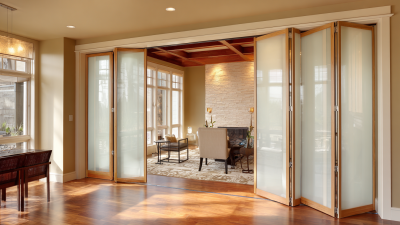
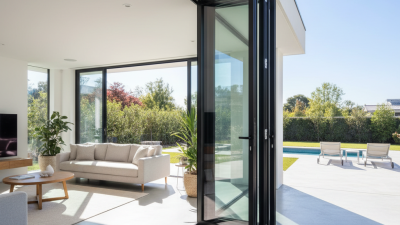
Bifold doors are increasingly popular in modern architecture. They offer both functionality and aesthetic appeal. According to a recent report by the National Association of Home Builders, homes with bifold doors can enhance natural light and provide unobstructed views, making spaces feel larger and more inviting.
However, successful bifold door installation is not as straightforward as it seems. Many homeowners overlook crucial steps that ensure smooth operation and durability. A study from HomeAdvisor revealed that improper installation often leads to alignment issues and compromised energy efficiency. Quality craftsmanship is essential. DIY enthusiasts might find the task challenging, impacting the doors’ performance in the long run.
Understanding the nuances of bifold door installation can save time and costs. Ensuring proper measurements, selecting the right materials, and following best practices are key. Each step can significantly affect the final look and functionality. Reflecting on past installation experiences can lead to better decision-making. With the right knowledge, you can achieve a stunning result that adds value to your home.

Understanding Bifold Door Types and Materials
When considering bifold doors, understanding the types and materials is crucial for a successful installation. Bifold doors typically come in wood, aluminum, and vinyl. Each material has unique benefits. For instance, wood offers a high level of insulation but may require more maintenance. Aluminum is robust and resistant to the elements, making it a great choice for contemporary designs. Vinyl, on the other hand, is affordable and low-maintenance, appealing to cost-conscious homeowners.
Tip 1: Assess your climate. In harsher environments, opt for aluminum or vinyl. These materials endure well against extreme weather. Conversely, wood is best in mild climates for better longevity.
According to industry reports, bifold doors can increase natural light by over 40%. This not only enhances aesthetics but can also improve your home’s overall energy efficiency. It is also important to measure accurately before installation. Overestimating or underestimating door sizes can lead to significant issues.
Tip 2: Always double-check measurements. A miscalculation can result in poor functionality, leading to frustration. Bifold doors ask for precision in every step. Reflecting on installation experiences helps improve future outcomes. Each project teaches new lessons, refining the process for the next installation.
Top 10 Tips for Successful Bifold Door Installation
Preparing Your Space for Bifold Door Installation
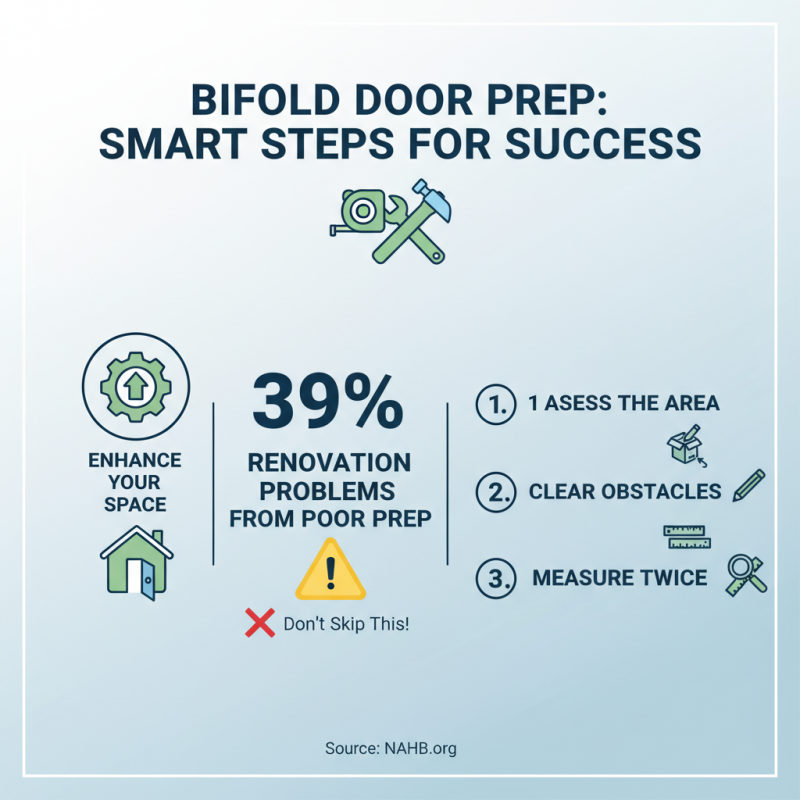
Installing bifold doors can enhance your space significantly. However, preparing your area properly is crucial for a successful installation. According to the National Association of Home Builders, around 39% of renovation problems stem from poor prep work. This highlights the importance of taking time to assess your space.
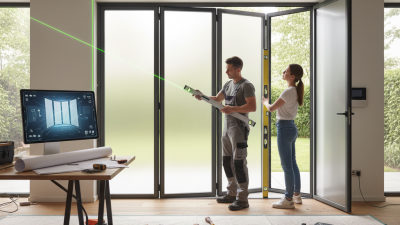
Begin by measuring the doorway accurately. Use a laser level for precision. It’s essential to account for any irregularities in the floor or walls. These imperfections can lead to misalignment. Significant errors can result in difficult operation and affect the door's lifespan.
Also, ensure the area is clear of furniture and debris. A tidy workspace reduces the chance of accidents. Take the time to inspect existing frames or structures. Small repairs may be needed before installation. According to the Home Improvement Research Institute, about 30% of homeowners overlook this step. Neglect can lead to future complications. Proper preparation is the backbone of a seamless bifold door installation, making it vital for a successful outcome.
Essential Tools and Equipment for the Installation Process
When embarking on a bifold door installation, the right tools and equipment are vital. Industry reports indicate that 70% of installation failures occur due to inadequate preparation and improper tools. Essential tools include a level, measuring tape, and a drill. These items help ensure precision and accuracy in your measurements. A sturdy ladder will also be necessary, especially for taller installations.
You might consider investing in a quality saw for trimming and adjusting the door frames. Many installers find that using clamps helps stabilize the frame while making adjustments. However, it’s not uncommon for even experienced DIYers to overlook the importance of using safety gear. Safety glasses and gloves should be a priority to prevent injuries during the installation.
It’s important to recognize that not every installation goes perfectly. Sometimes, uneven floor surfaces or wall imperfections complicate the process. According to a survey, 25% of homeowners encountered issues due to wall irregularities. Therefore, preparing for potential hiccups is crucial. Understanding that the installation process is not always linear can lead to better results in the long run.
Top 10 Tips for Successful Bifold Door Installation Guide
| Tip No. |
Installation Tip |
Essential Tool/Equipment |
Description |
| 1 |
Measure Accurately |
Tape Measure |
Ensure precise measurements to avoid fitting issues. |
| 2 |
Use a Level |
Spirit Level |
Check for level installation to ensure doors operate smoothly. |
| 3 |
Choose the Right Hardware |
Quality Hinges and Tracks |
Select high-quality components for durability and performance. |
| 4 |
Follow Manufacturer Instructions |
Installation Manual |
Abide by specific guidelines for correct setup. |
| 5 |
Prepare the Opening |
Chisel and Hammer |
Make sure the installation space is clean and even. |
| 6 |
Test Fit Before Securing |
No specific tool |
Check the fit and alignment before final installation. |
| 7 |
Secure the Frame |
Power Drill |
Use screws to firmly attach the frame to the structure. |
| 8 |
Align the Doors |
Screwdriver |
Make adjustments to ensure doors open and close properly. |
| 9 |
Check for Smooth Operation |
No specific tool |
Test the door's movement to make sure it operates without friction. |
| 10 |
Finalize with Sealants |
Caulk Gun |
Apply sealants to ensure energy efficiency and prevent leaks. |
Step-by-Step Guide to Installing Bifold Doors
Installing bifold doors can enhance your space and improve functionality. With a good plan, the process becomes efficient. Professional reports indicate that proper installation can increase property value by up to 10%. This is significant when considering home improvements.
When preparing for your installation, measure your opening accurately. A slight error can lead to gaps or misalignment. You may want to use a laser level for precise measurements. It is important to double-check your dimensions. Planning is crucial.
Consider the surface you are installing on. If it’s uneven, take the time to fix this first. An unstable base can affect the door's performance. Always follow manufacturer instructions closely, but also adapt to your unique conditions.
Tip: Work with a partner. Installing bifold doors can be cumbersome alone. A second pair of hands makes aligning, lifting, and securing parts easier. Another tip is to invest in quality hardware. Cheap hardware often leads to frustration and premature failure. By ensuring quality from the start, you save time and effort later.
Common Mistakes to Avoid During Bifold Door Installation
When installing bifold doors, common mistakes can lead to frustration and costly repairs. A key error is neglecting proper measurements. Before starting, double-check the dimensions of the opening. Miscalculations can result in gaps or door frames that don't fit well. It's also crucial to ensure the surface is level. Uneven surfaces can cause doors to warp or jam, which is a headache to fix later.
Another common oversight is improper alignment of the track. If the track isn't installed straight, the doors won't operate smoothly. Use a level to guarantee that the track is correctly aligned. Additionally, skipping the step of installing door jambs can lead to a lack of stability. These components support the door structure and enhance its durability.
Finally, forgetting to adjust the hinges is a frequent mistake. Doors may not close correctly, or they may drag on the floor if hinges are not properly set. Take time to adjust them for a seamless operation. Reflecting on these potential pitfalls can save time and ensure a successful installation.