How to Install a Sliding Pocket Door Easily at Home?
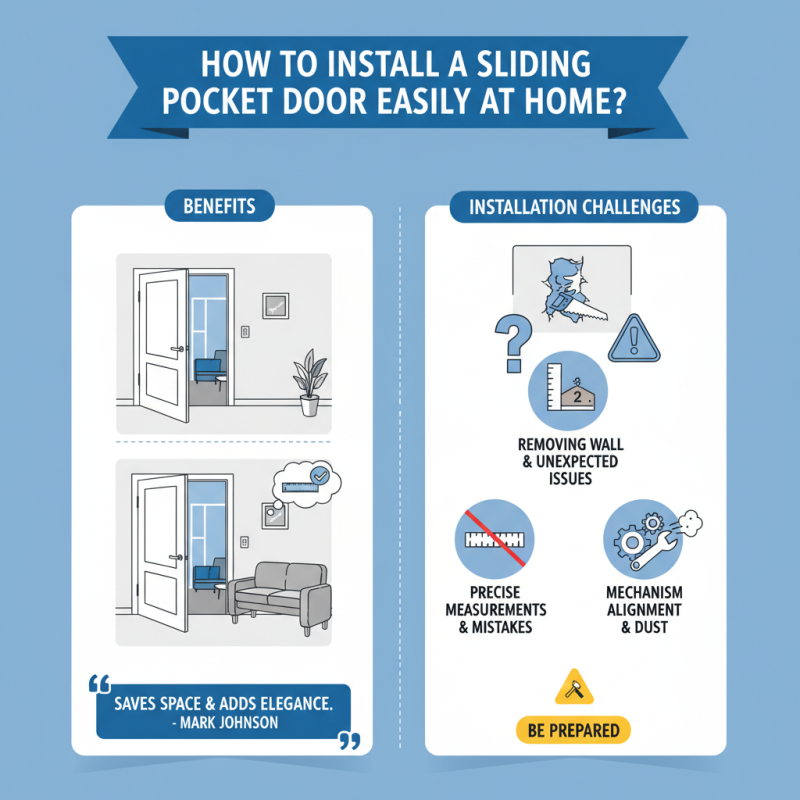
Installing a sliding pocket door can transform your space. According to Mark Johnson, a home improvement expert, "A sliding pocket door saves space while adding elegance." This door type hides in the wall, making it ideal for small areas.
Beginners may find the installation daunting. It requires precise measurements and careful planning. The process involves removing part of the wall, which can lead to unexpected challenges. Mistakes in measurement can cause significant issues later.
Understanding the mechanism is crucial. The door’s track system needs proper alignment for smooth operation. Tools and materials gather dust if not correctly handled. It’s a project that demands attention to detail and patience. Embracing the challenge can lead to a rewarding outcome, but it is essential to be prepared for potential setbacks.
Understanding Sliding Pocket Doors: A Brief Overview of Their Benefits
Sliding pocket doors are an excellent addition to any home. They save space while providing a stylish and functional solution for dividing rooms. These doors slide into the wall, which frees up floor space. This feature is crucial for smaller rooms where traditional doors may be impractical. Additionally, pocket doors can enhance the aesthetic appeal of your home, creating a seamless look.
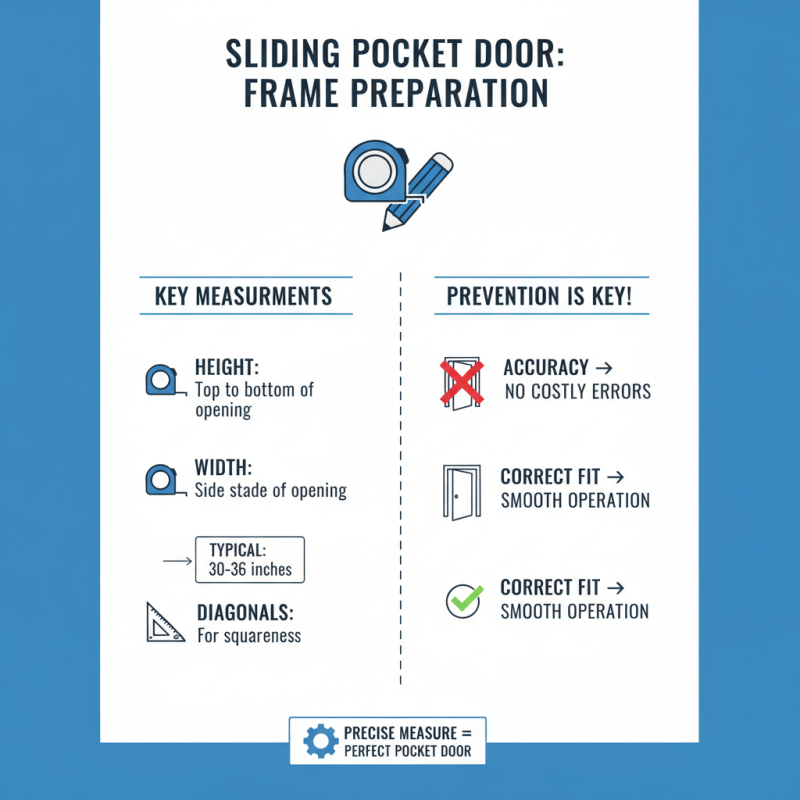
When considering installation, careful planning is key. Measure the wall space accurately to ensure a perfect fit for the door. You may need tools for cutting and fitting. Sometimes, walls have hidden issues, like wiring or plumbing that complicate the installation. Research common problems in home renovations, as this knowledge can help you avoid surprises.
Tips: Use a level when fitting the track. It ensures the door slides smoothly. Also, consider using a stud finder before drilling. This tool helps avoid damaging hidden pipes or wires. Lastly, don’t rush the finishing touches; they can make or break the look of your sliding pocket door. Taking time to reflect on your work can enhance the final result.
Essential Tools and Materials for Installing a Sliding Pocket Door
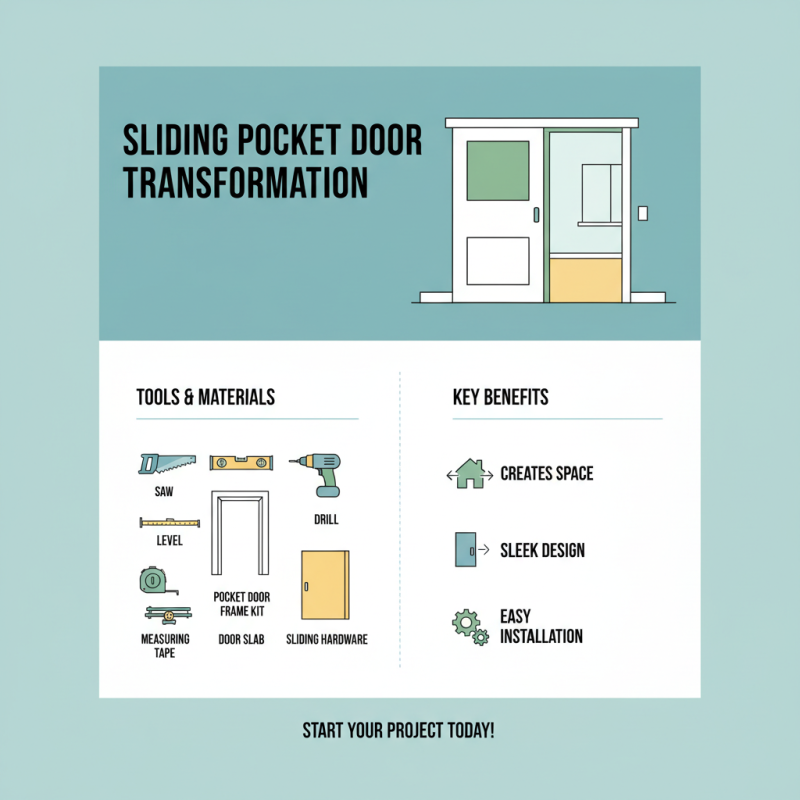
Installing a sliding pocket door can transform your space. To start, gather essential tools and materials. You will need a pocket door frame kit, a door slab, and sliding hardware. Make sure to have a saw, level, and drill at your disposal. It's crucial to have a measuring tape for precise measurements.
Tips: Measure twice, cut once. That old saying can save you from costly mistakes. Be aware of your wall's thickness. The frame kit may need adjustments for a secure fit.
When assembling, pay attention to the mounting brackets. Incorrect installation can lead to mishaps later. Ensure your door slides smoothly. If it doesn’t, check the alignment. Use shims if necessary to avoid gaps.
Remember, patience is key. Adjusting can be frustrating, but it's worth the effort. Allow time for the project. A rushed job can lead to errors. Enjoy the process; it's easier with a friend. Their help can make a difference.
Installation Process: Hanging the Door and Adjusting the Track
Hanging a sliding pocket door can seem complicated. Start by ensuring you have the right tools.
Measure the doorway accurately to purchase the correct door size. Secure the track to the wall above the doorway.
This step requires precision. If the track isn’t level, the door won’t slide smoothly.
Once the track is in place, hang the door. Slide the rollers on top into the track.
Check for balance. If the door leans, you may need to adjust the rollers.
Don't rush this step; small adjustments can make a big difference.
A crooked door can cause frustration later.
After the door is hung, test its movement. Open and close it several times.
Listen for any unusual sounds. If it sticks, reassess your track alignment. Sometimes, a door may need shimming for better fit.
It’s an ongoing process until you achieve a smooth glide. Make notes of what works and what doesn’t.
This can help you in future projects.
Common Challenges and Solutions When Installing Pocket Doors at Home
Installing a sliding pocket door can be a rewarding project. However, several common challenges can arise during the process. Data from home improvement surveys show that nearly 40% of DIY homeowners encounter issues with proper measurements. An incorrect door size can lead to frustration and extra costs. It’s crucial to measure the opening precisely. Even a few millimeters can impact door functionality.
Another prevalent challenge is the structural support of the door frame. Many homeowners underestimate the importance of a sturdy frame. According to industry analysis, around 30% of pocket door installations fail due to inadequate framing. This can result in sagging doors or alignment issues. Reinforcing the frame can mitigate these risks, but it requires additional work.
Space is also a concern. In smaller rooms, the installation might seem impossible. However, 50% of homeowners have successfully created functional spaces by optimizing layouts. Creative solutions, like hiding the pocket door within the wall, can enhance aesthetics without sacrificing utility. Ultimately, while installing a pocket door presents unique hurdles, careful planning can lead to a successful installation.
Common Challenges When Installing Sliding Pocket Doors