Choosing fire rated doors from China requires more than comparing prices, finishes, and delivery times. The correct door must match the building’s fire strategy, wall construction, traffic level, and installation conditions. A door that looks strong may still fail when its frame, hinges, seals, or closer are poorly specified. Small details matter.
This guide explains how buyers can evaluate Chinese manufacturers with greater confidence. It considers fire-resistance ratings, test reports, certification scope, material quality, hardware, factory controls, and project support. Ask whether the testing applies to the complete door assembly, not only the leaf. Request clear technical drawings and traceable documents. Check the supplier’s production experience. A reliable factory should explain its process without hiding behind vague claims.
Field experience also teaches a less comfortable lesson. A low quotation can become expensive after damaged freight, incorrect dimensions, or difficult installation. I have seen attractive samples conceal weak hinges and inconsistent seals. Samples are useful, but they are not proof of long-term performance. Ask for references from similar projects. Inspect packaging details, labeling, and quality records where possible. Still, no supplier review is perfect. Conditions differ between factories and sites.
Local fire codes and qualified professionals must guide the final decision. Independent inspection may be appropriate for important projects. The best choice balances tested performance, practical installation, dependable communication, and lifecycle value. Price matters, but it should not lead the conversation. A safer door begins with better questions.
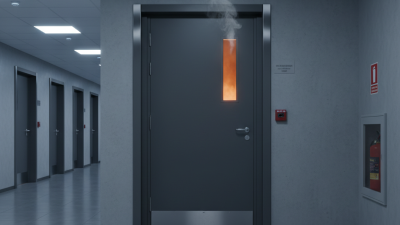
A fire rating describes tested performance, not a marketing label. Under China’s GB 12955 standard, ratings express how long a door assembly can resist fire exposure. The test considers integrity and insulation. A 90-minute rating means the complete assembly must limit flames, hot gases, and heat for that period. It does not mean the door remains safe under every fire scenario. That distinction matters.
China’s National Fire and Rescue Administration reported about 945,000 fires in 2023, with 2,256 deaths and direct property losses of approximately 3.88 billion yuan. These figures show why rating selection must follow the building’s risk profile.
NFPA’s Fire Loss in the United States During 2023 recorded about 1.50 million fires and 3,670 civilian deaths. Different countries use different codes, but fire growth remains unforgiving.
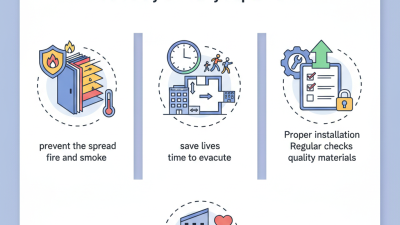
When choosing a door, verify the tested leaf, frame, hinges, closer, glazing, seals, and hardware as one assembly. A high-rated leaf with an unsuitable frame can fail early. Check the project requirements under GB 50016, the approved test report, and installation records. In site inspections, small gaps under the door often receive less attention than the label. That is a mistake. Warehouse openings may need different protection from stairwell doors, and smoke control can matter before flames appear. Some specifications also use confusing time formats, so confirm whether “1.00” means 60 minutes. It should be documented clearly.
Choosing a fire-rated door starts with the building, not the supplier.
Identify the occupancy, escape routes, fire compartments, wall construction, and local code requirements. A hospital corridor may require tighter smoke control than a storage room. Door rating must match the surrounding fire-rated wall and opening protection rules. Never select a 90-minute door simply because it sounds safer. The correct rating depends on the approved building design.
NFPA’s Fire Loss in the United States During 2023 estimated 1,388,500 fires and about 3,670 civilian fire deaths.
These figures show why passive protection cannot be treated as decoration. Ask for a complete third-party test report, product label, installation instructions, and evidence of self-closing performance. Check testing against the required standard, such as NFPA 252, UL 10C, or EN 1634-1, depending on the project location. Local authorities still control acceptance.
Small details matter.
The frame, hinges, closer, glazing, seals, and latching hardware should be approved as a compatible assembly. A door leaf alone is not a fire door system. NFPA 80 also requires periodic inspection and maintenance, commonly including annual inspection by qualified personnel. A checklist can miss warped edges or a blocked closer. Recheck the site after installation. I would question any quotation that gives a rating without naming the wall assembly, test standard, and inspection plan.
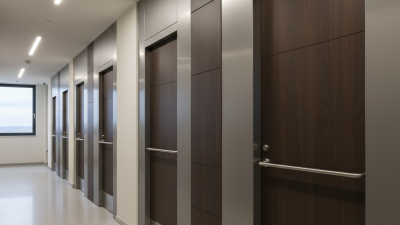
When choosing top fire-rated doors in China, compare the complete door assembly, not just the outer material. Steel doors resist impact and offer consistent performance in busy corridors. Timber doors provide a warmer appearance, but their veneers, joints, and moisture exposure need careful control. Fire-resistant glass can improve visibility, yet it must match the tested frame and glazing system.
The core type strongly affects weight, insulation, and installation. Mineral wool cores reduce heat transfer and perform well in many commercial applications. Gypsum-based cores can provide stable fire resistance with moderate weight. Vermiculite or composite cores may improve stiffness, but their performance depends on density and manufacturing quality.
Check the certified fire rating, test scope, door thickness, and maximum size. Details matter.
Look closely at the edges. A small gap around the leaf can weaken smoke control. Intumescent seals should sit continuously and remain undamaged after fitting. Hinges, closers, locks, vision panels, and panic hardware must be approved for the same rated assembly.
A frequent mistake is comparing core materials while ignoring hardware compatibility. I have also seen specifications copied from older projects without checking current test reports. That habit creates uncertainty.
Ask for traceable test documentation, production quality records, and installation instructions from qualified suppliers. Keep the site environment in mind: humid storage rooms, coastal air, and heavy traffic can change the most suitable material choice.
China Top Fire Rated Doors: How To Choose?
How to Verify Chinese Fire Door Standards and Certifications
A Chinese fire door should be checked against GB 12955-2008, the national standard for fire-resistant doors. Confirm the current project requirements, because standards and local building rules may change. The rating must match the wall, corridor, stairwell, or equipment room. Check fire integrity and insulation ratings separately. A label showing “90 minutes” is not enough.
Ask the supplier for the complete test report, certificate, product model, factory address, and certification scope. Compare every detail with the door delivered. The steel thickness, glazing, hinges, closer, lock, and seal should match the tested assembly. Intumescent seals should sit continuously around the frame. Small gaps near the threshold deserve attention. They may affect performance.
NFPA’s Fire Loss in the United States During 2023 estimated 1.39 million reported fires. This figure shows why paperwork alone cannot prove protection. Verify the certificate through the issuing authority’s official database, where available. Check issue dates and whether the certificate covers the exact configuration. A copied certificate may look genuine. It may still belong to another factory or model. Request an independent inspection when the project is critical. I would also photograph dimensions and hardware during receiving, although this step is often missed. Certification confirms tested performance, not careless installation.
Use the fire-resistance classification shown on the Chinese test report and product label as the starting point. The chart presents commonly published GB 12955 fire-door rating durations for verification.
When checking a supplier, confirm that the rating, door type, size, hardware configuration, and test standard on the documentation match the actual door. Request a valid test report issued by an authorized laboratory and verify any required Chinese conformity or certification records through the relevant official authority before purchase.
Reference framework: China standard GB 12955 for fire doors. Ratings are expressed in hours and should not be compared directly with EN or UL classifications without checking the applicable test method.
Choosing a reliable fire rated door supplier requires more than comparing prices. Ask about factory experience, production capacity, and completed projects with similar door sizes. A serious supplier should explain the door core, frame steel, hinges, seals, and closing device clearly. Vague answers are warning signs.
Ask for current fire test reports from an accredited laboratory. Check whether the tested door matches your required size, wall type, glazing, and hardware. Standards may differ, such as EN 1634, UL 10C, or local building requirements. Do not accept a certificate without checking its scope and validity. Ask for evidence.
Request a physical sample before placing a large order. Inspect welding, paint coverage, door alignment, gasket installation, and label details. A factory audit can reveal more than polished photos. Review quality procedures, packaging methods, lead times, and replacement policies in writing. Clear communication matters when drawings change or delivery problems appear. One practical lesson is easy to miss: the lowest quote may exclude approved hardware, testing, or installation guidance. I have seen attractive offers become expensive after revisions. Keep a technical checklist, record every promise, and ask the supplier to confirm details before production.