What are Fire Rated Doors and Why are They Important?
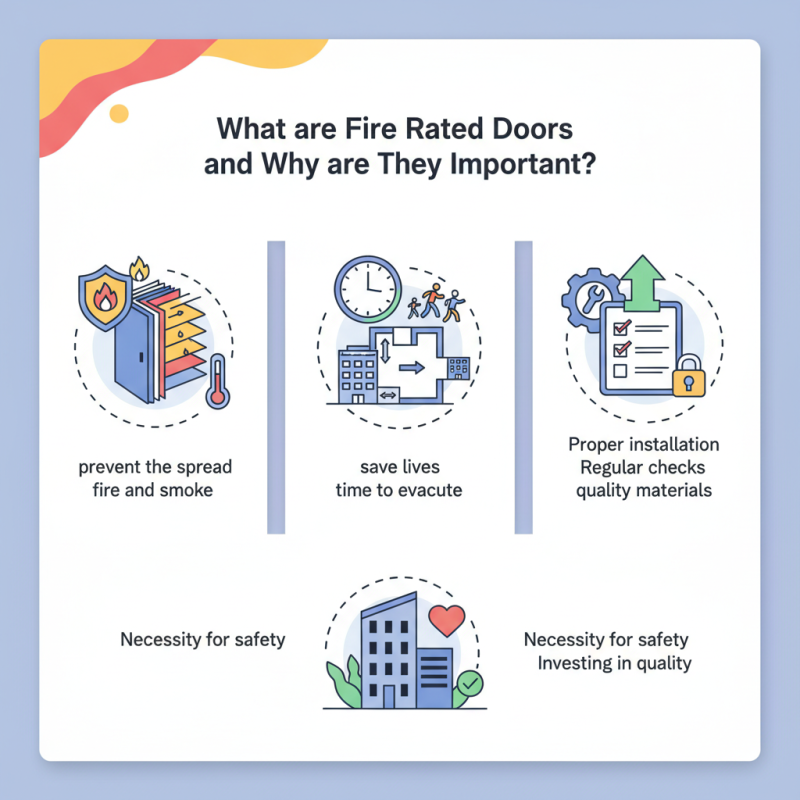
Fire rated doors are crucial components in modern safety design. They help prevent the spread of fire and smoke in buildings. These doors are made from specific materials that resist high temperatures for a set period.
In emergency situations, fire rated doors can save lives. They contain fires to small areas, allowing people more time to evacuate. However, many fail to install them properly. Maintenance issues can compromise their effectiveness.
Employing fire rated doors is not just a requirement; it is a necessity for safety. Awareness about their importance must be increased. Investing in quality doors and regular checks can make a significant difference. Each building deserves attention to these critical safety features.
What are Fire Rated Doors?
Fire rated doors are specialized doors designed to withstand fire and smoke. They play a critical role in building safety. These doors can slow down the spread of fire, giving occupants time to evacuate. According to the National Fire Protection Association (NFPA), over 3,000 people die each year in house fires in the United States alone. Fire rated doors can reduce casualties by creating safe zones.
These doors are tested for fire resistance. The ratings are based on how long they can withstand fire exposure. Typical ratings are 20, 45, 60, or 90 minutes. Reports indicate that buildings with properly installed fire rated doors can increase safety significantly. However, many buildings lack adequate fire protection systems. A study showed that 44% of fire rated doors failed compliance checks. This highlights the need for regular inspections and maintenance.
Fire rated doors must be installed correctly to be effective. Misalignment or damage can compromise their performance. Proper sealing and the correct hardware are essential. Even minor issues can allow smoke to pass through, reducing safety. Regular training and awareness in building management can improve compliance rates. Investing in fire rated doors is crucial for protecting lives and property.
What are Fire Rated Doors and Why are They Important?
| Dimension |
Description |
Importance |
| Fire Resistance Rating |
Duration for which a door can withstand fire, typically rated in hours (e.g., 30, 60, 90, 120 minutes). |
Helps in determining the effectiveness of doors in preventing fire spread. |
| Material |
Common materials include steel, wood, and gypsum board. |
The material affects the door’s ability to resist fire and insulate thermal energy. |
| Installation Standards |
Must comply with local fire codes and regulations for proper installation. |
Ensures that fire rated doors function correctly during emergencies. |
| Certifications |
Nationally recognized testing laboratories provide ratings and certifications. |
Validates door performance and safety standards. |
| Applications |
Used in commercial buildings, schools, hospitals, and residential buildings. |
Critical for maintaining safety and compliance within various structures. |
The Functionality of Fire Rated Doors in Building Safety
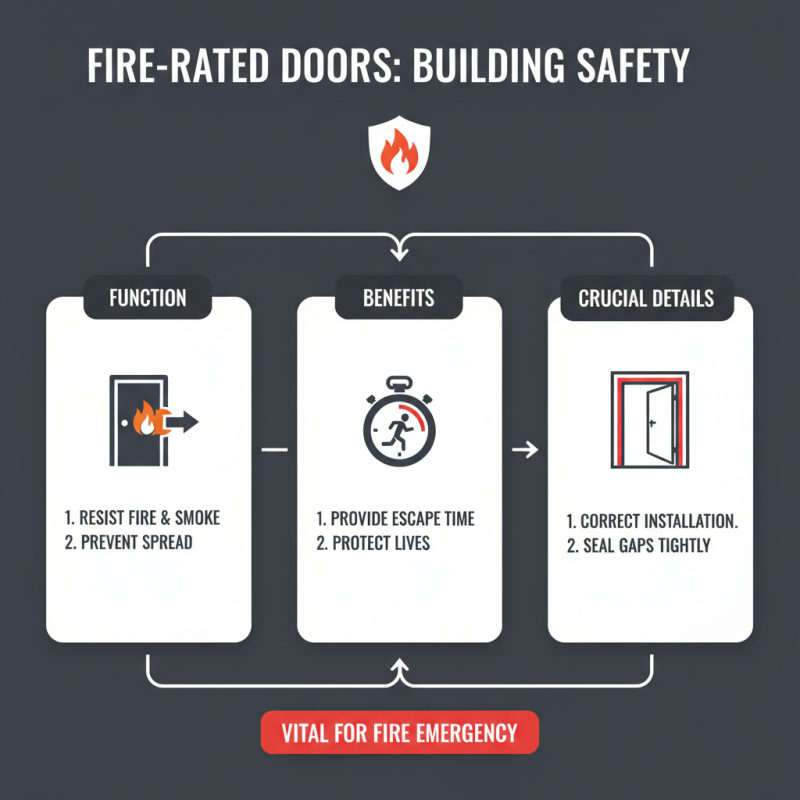
Fire rated doors play a crucial role in building safety. They are designed to withstand high temperatures and prevent the spread of flames and smoke. This functionality is vital during a fire emergency. When installed correctly, these doors can offer valuable minutes for occupants to escape. The gaps around the door must also be sealed snugly; otherwise, smoke can seep through, undermining the door's purpose.
One important tip is to regularly check the door's condition. Look for signs of wear, such as cracks or warping. A damaged fire rated door cannot perform its job effectively. Another point to consider is the importance of proper installation. Doors should close automatically without sticking. Fire rated doors are only effective if they are closed when a fire breaks out.
Ensuring that the fire rated door is compliant with current safety standards matters. Check local regulations regularly to avoid outdated installations. Sometimes, building owners overlook the need for upgrades. This can lead to serious consequences in the event of a fire. Stay informed and prioritize safety measures in your building plan.
Materials and Construction of Fire Rated Doors
Fire-rated doors are crucial components in building safety. They are designed to withstand fire for a specific period. This delay can be the difference between life and death. The materials and construction of these doors play a significant role in their effectiveness. Common materials used include steel, fiberglass, and wood with special fire-resistant treatments. Each material offers different levels of fire resistance.
According to the National Fire Protection Association (NFPA), fire-rated doors can slow the spread of flames and smoke for up to 90 minutes. This gives occupants valuable time to evacuate. Proper installation and maintenance are key to ensuring their effectiveness. Many buildings fail to meet regulations due to improper installation.
Tip: Regularly inspect fire-rated doors for damage. Ensure they close properly. If they are damaged, replace them immediately.
To ensure compliance, construction details matter. Doors should have a 3-hour rating in high-risk areas, such as commercial kitchens. Additionally, doors need proper seals to block smoke. If gaps exist, the door's rating may be compromised.
Tip: Use a smoke test to check if doors are properly sealed. This can help pinpoint issues that might otherwise go unnoticed.
Regulatory Standards and Testing for Fire Rated Doors
Fire-rated doors play a critical role in building safety. They help slow down the spread of fire. This gives people more time to escape. Regulatory standards define the performance criteria for these doors. The National Fire Protection Association (NFPA) outlines key requirements for fire-rated doors in their codes.
Testing for fire-rated doors involves rigorous procedures. These tests determine how long a door can withstand fire exposure. For example, a door rated for 60 minutes can remain intact for that duration. In 2020, a study found that nearly 75% of commercial buildings failed fire safety inspections. Many of these failures were due to improper installation of fire-rated doors.
Misunderstandings also arise regarding door maintenance. Some believe that fire-rated doors require little ongoing care. In reality, regular checks are essential. Minor wear and tear can compromise their effectiveness. The importance of adherence to regulatory standards cannot be overstated. Poorly maintained doors can lead to devastating consequences in emergencies.
Fire Rated Doors Compliance Statistics
This chart illustrates the compliance rates for various fire rated door regulatory standards. The values represent the percentage of doors that meet the specified standards, showcasing the importance of adherence to safety regulations.
Benefits of Installing Fire Rated Doors in Various Settings
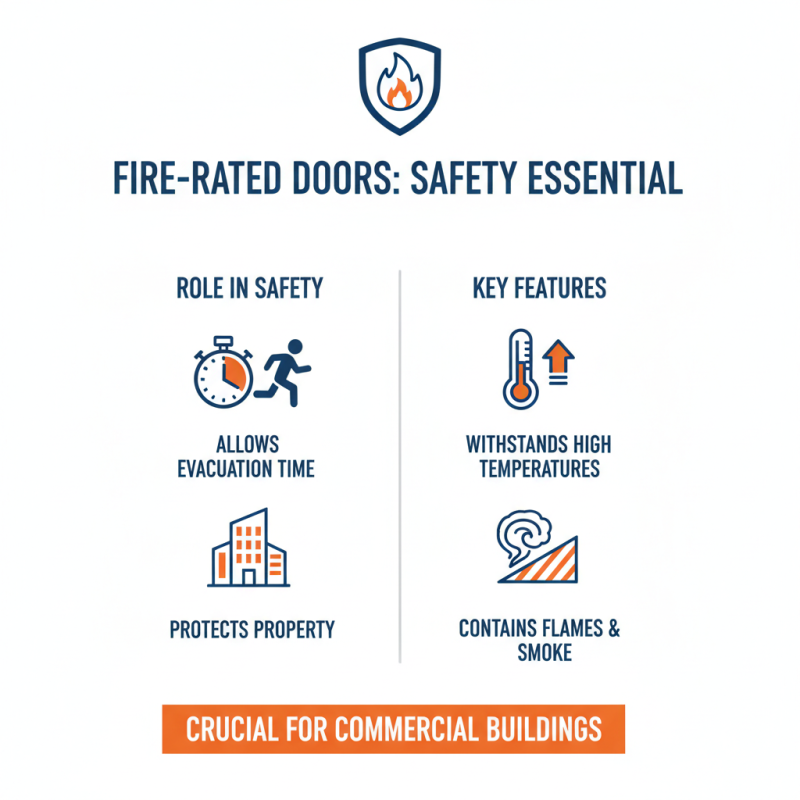
Fire rated doors play a crucial role in safety. They are designed to withstand high temperatures and prevent the spread of fire. In many settings, these doors can save lives and protect property. Installing them in commercial buildings is essential. They help contain flames and smoke during a fire, allowing more time for evacuation.
In residential areas, fire rated doors can protect crucial escape routes. They can be installed in garages or between living spaces and utility areas. However, not every home has these important barriers. This oversight can be problematic. Many people may not fully understand their significance until it’s too late.
The benefits extend beyond just safety. These doors can also provide noise reduction and enhance privacy. Yet, some may overlook the aesthetic options available, thinking they're simply utilitarian. A well-chosen fire rated door can blend seamlessly with any design. Regular maintenance is also critical. Without it, even the best doors may fail when needed most.