Essential Coffee Table Tips for Stylish Home Decor?
The Coffee Table often serves as the centerpiece of a living room, influencing overall decor. Recent industry studies show that nearly 70% of homeowners consider their coffee table essential for stylish aesthetics. This piece of furniture not only provides functionality but also reflects personal taste.
Incorporating the right coffee table can elevate a room. It can be a focal point or blend seamlessly with other elements. However, choosing the wrong design can lead to a disjointed feel. Many find comfort in traditional styles, but trends are shifting. Bold colors and unique materials are gaining popularity, as reported by the Home Decor Association.
A coffee table offers much more than ‘just a table.’ It can display art, books, or souvenirs, bringing life to a space. Yet, there’s a fine line between stylish and cluttered. Thoughtful selection is crucial, as is an understanding of balance. Assessing your own style is a key step. Reflecting on what a coffee table signifies in your living area can lead to more engaging and personalized decor choices.
Choosing the Right Coffee Table: Styles and Materials Explained
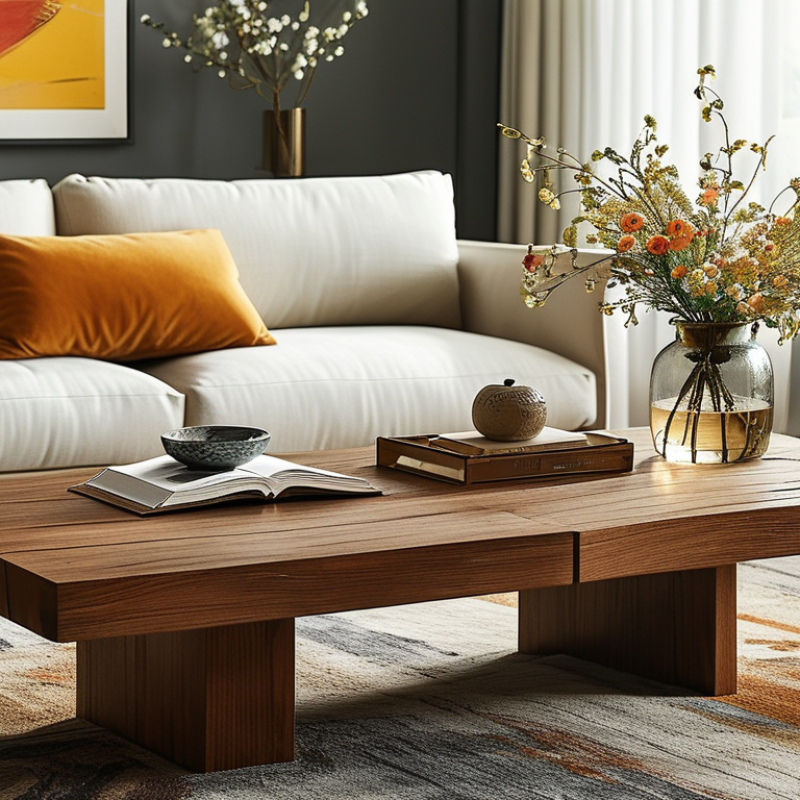
When choosing the right coffee table, style and material are crucial. A coffee table can serve as a focal point in your living room. Opt for a design that complements your existing furniture. Consider the space you have. A large table can overwhelm a small room. Conversely, a tiny table might look lost in a spacious area.
Materials play a significant role in your selection. Wood offers warmth and durability, while glass adds elegance and a sense of openness. Metal tables provide a modern touch but might seem cold in certain settings. Each material has its own character. Remember to reflect on the overall theme of your home when making a decision.
Here are a few tips to keep in mind. Ensure the height of the table matches your seating. A good rule is to keep it around the same height as your sofas or chairs. When it comes to décor, don’t overcrowd it with too many items. A few selected pieces create visual interest without overwhelming your space. Balance is key; it often leads to a more harmonious look.
Ideal Coffee Table Placement: Enhancing Your Living Room Layout
When considering coffee table placement, it’s vital to think about your living room layout. A well-placed coffee table can enhance both functionality and style. Ideally, the table should be positioned about 18 inches away from your seating area. This distance ensures easy movement while also encouraging conversation.
Think about the shape of your room. In smaller spaces, round or oval tables can improve flow and keep the area open. Larger rooms can accommodate rectangular or square tables, which create defined zones. Adjusting the height of your coffee table can also make a significant difference. A lower table complements a low-slung sofa well, while a taller table can balance out a more traditional style.
Decorating your coffee table adds personality, but it’s important to avoid clutter. Group objects, such as books or candles, in odd numbers for a more pleasing look. However, maintaining functionality is crucial. Consider how often you use the table for drinks or snacks, and keep a balance between style and usability. Sometimes, less is more, so don’t hesitate to reassess your arrangement frequently.
Decorative Accessories: How to Style Your Coffee Table
A well-styled coffee table can enhance your living space significantly. The key lies in decorative accessories that reflect your personal style. According to a report from the American Home Furnishings Alliance, 70% of homeowners consider styling their tables essential for a cohesive look. This emphasizes the importance of thoughtful accessory placement.
Start with a base that speaks to your taste. Use a textured table runner or a striking bowl as a foundation. Mix varying heights to create visual interest. A simple stack of books can elevate other decor. Consider adding a small plant as a soothing touch. Research shows indoor greenery improves mood and air quality.
However, it’s crucial to avoid overcrowding. Leave empty spaces to allow breathing room. An overly cluttered surface can overwhelm. Reflecting on your choices can help. Reassess your accessories periodically, removing items that no longer resonate. Embrace imperfection and change; it can lead to refreshing updates. These small tweaks can define your style and create a welcoming atmosphere.
Seasonal Themes: Refreshing Your Coffee Table Decor Throughout the Year
Refreshing your coffee table decor throughout the year can elevate your home’s overall aesthetic. Seasonal themes create a dynamic and inviting space. For spring, incorporate vibrant flowers in unique vases. A mix of pastel colors and natural textures can breathe life into the room. Try adding a few decorative eggs for a fun touch.
As summer rolls in, focus on bright and airy elements. Use lightweight textiles like linen or cotton for table runners. Group beach-themed decor items, such as seashells or driftwood, to evoke a coastal vibe. During autumn, warm hues and rustic elements come into play. Arrange small pumpkins or gourds among candles. Rich, earthy tones will harmonize beautifully with your space.
Winter offers a chance for cozy elegance. Incorporate evergreen branches and ornaments to bring a festive touch. A simple arrangement of pinecones and candles can evoke warmth. Throughout these changes, don't hesitate to mix and match. Remember that the goal is to express your style. Some themes may not resonate perfectly. That's okay; reflection leads to creativity and refinement.
Seasonal Themes: Refreshing Your Coffee Table Decor Throughout the Year
Functional Uses: Maximizing Your Coffee Table Beyond Aesthetic Appeal
When it comes to coffee tables, their functional uses often go overlooked. Recent studies reveal that 72% of homeowners see coffee tables as purely decorative. However, they can serve multiple purposes in enhancing your living space. A well-styled coffee table can act as a focal point while also providing essential storage solutions.
Consider incorporating trays or baskets for organizing remotes, coasters, and magazines. This not only minimizes clutter but also keeps the table looking stylish. According to a recent report, 65% of home decorators prioritize multifunctional furniture. This trend emphasizes that coffee tables can blend aesthetics with practicality seamlessly. An arrangement of personal items, like books or plants, can add character while keeping the table versatile.
Moreover, balancing beauty and function can occasionally lead to over-decorating. Avoid crowded surfaces that detract from usability. Leave space for drinks or snacks during gatherings. Finding that balance is crucial. The aim is to make the coffee table an inviting centerpiece, not just a piece of furniture. By focusing on its functional uses, you can create a space that feels intentional and comfortable.