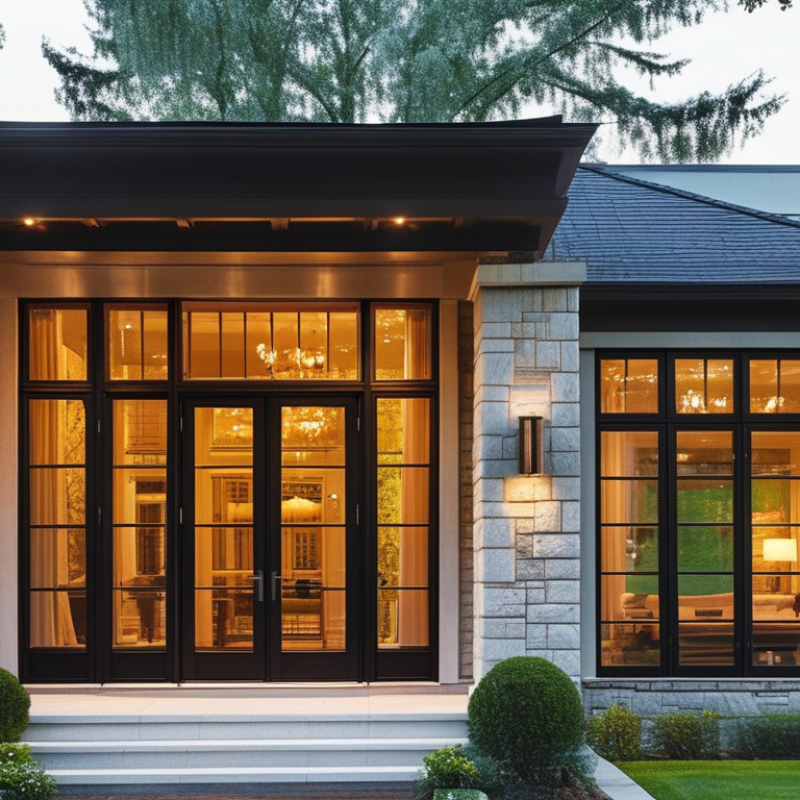
How to Choose the Right Window In Door for Your Home?
Choosing the right window in door for your home is crucial. According to a report by the National Association of Realtors, 30% of homebuyers prioritize attractive entrances. A window in door enhances aesthetics and improves natural light. This feature can increase curb appeal, making your home inviting.
Many homeowners overlook the role of windows in doors. A well-designed window in door can balance security and style. According to the American Institute of Architects, specific designs are linked to higher resale values. However, incorrect choices can lead to issues with energy efficiency and maintenance.
When selecting a window in door, consider materials, styles, and glass options carefully. Experienced designers suggest that even minor imperfections can create unique charm. Reflecting on these choices will ensure that your investment not only looks good but also lasts long.
Understanding Different Types of Windows and Doors Available
When choosing windows and doors for your home, understanding the variety available is crucial. Most homeowners prioritize aesthetics, security, and energy efficiency. Common types of windows include casement, double-hung, and sliding. Each type offers unique benefits. Casement windows provide excellent ventilation. Sliding windows are easy to operate and maximize views. However, consider your local climate. Some window types may not perform well in extreme weather.
Doors come in various styles such as panel, French, and sliding. Each can enhance your home's appeal. Panel doors are classic but can lack modern conveniences. French doors are beautiful but require space. Sliding doors save room but might not be as secure. Assess your entry points. Ensure that selected doors complement your windows. Compatibility can create a cohesive look.
Installation plays a significant role in performance. Poor installation may lead to leaks and drafts. It is essential to hire professionals who understand local building codes and weather requirements. Remember, investing in quality windows and doors can yield long-term savings. However, many homeowners overlook material choices. Wood adds elegance but demands maintenance. Vinyl is durable but may lack character. Reflect on what best balances style and function for your home.
Evaluating Energy Efficiency and Insulation Features
Choosing the right window in door for your home requires careful evaluation of energy efficiency and insulation features. Many homeowners overlook the importance of quality insulation. Poorly insulated doors can lead to significant energy loss. In winter, cold air seeps through gaps. In summer, your air conditioning struggles to keep up.
When selecting a window in door, look for multi-pane glazing. Double or triple glazing provides better thermal insulation. This can improve energy efficiency. Additionally, consider the frame materials. Wood and fiberglass often offer superior insulation compared to metal. However, they require more maintenance.
You might also reflect on how much light you want entering. Larger windows can brighten a room but may compromise insulation. The right choice depends on your priorities. Analyze your local climate too. What works in a colder area may not be ideal in warm regions. Take your time evaluating options, and consult experts when needed.
Energy Efficiency and Insulation Features of Window In Doors
This chart compares the energy efficiency ratings and insulation features of different window in door materials. Higher ratings indicate better performance, contributing to energy savings and improved comfort in the home.
Considering Aesthetic Appeal and Home Design Compatibility
When selecting a window in door, it’s crucial to consider aesthetic appeal and how it integrates with your home design. Choices should align with your architectural style. A modern home may benefit from sleek, minimalist designs, while a traditional style may require more ornate details. According to a study by the National Association of Home Builders, 70% of buyers prioritize a harmonious exterior appearance.
Color and material also play significant roles. Research indicates that 80% of homeowners prefer natural materials such as wood and fiberglass over vinyl. These materials not only enhance beauty but also provide durability. However, wood requires regular maintenance, which might be a downside for some. The decision should balance personal preferences and practical needs.
Lighting is another critical factor. A well-placed window in door allows natural light to flood your space, improving ambiance. Natural light can increase mood and reduce energy costs. While it’s tempting to choose solely for beauty, functionality must not be overlooked. Reflect on how often you open the door and access the window. These practical concerns can lead to unexpected costs or adjustments later on.
Assessing Security Features and Durability Requirements
When choosing a window in door, security features are key. Look for reinforced frames and multi-point locking systems. A sturdy door can deter break-ins. Glass options also matter. Consider tempered or laminated glass for added protection. These types are harder to break and provide peace of mind.
Durability is another critical aspect. Check the materials used in the door and frame. Steel and fiberglass often outperform wood in lasting power. Weather-resistant finishes enhance lifespan, especially in harsh climates. Be mindful of the installation too; improper fitting can create vulnerabilities.
Reflect on your home’s specific needs. An attractive door that lacks security won't serve you well. Similarly, a robust door may clash with your home's style. Balance is essential. Investing in both security and aesthetics can lead to bigger gains in the long run, both in safety and home value.
Budgeting for Window and Door Selection and Installation Costs
When budgeting for window and door selection, it's essential to consider all costs involved. Windows and doors come in various styles and materials. Prices can vary significantly based on these factors. For instance, opting for energy-efficient windows may save on future energy bills but might require a higher initial investment. Think about how long you plan to stay in your home. If it's a long-term investment, spending more on quality might be wise.
Installation costs are another significant part of the budget. Hiring professionals adds to the expense but can save you time and ensure proper fitting. Mistakes during DIY installation can lead to further costs down the line. Assess your skill level honestly. If you're unsure, it’s often better to seek help from reliable contractors. They can provide insights on the best choices for your home's unique needs.
Finally, don’t forget about potential hidden costs. These may include necessary repairs to existing frames or walls. Consider permits if local building codes require them. Unexpected expenses can quickly add up, so it's wise to set aside a contingency fund. Being prepared will enable better decision-making and reduce stress during the process. By thinking through each element carefully, you'll find the right windows and doors that fit your budget.
How to Choose the Right Window In Door for Your Home? - Budgeting for Window and Door Selection and Installation Costs
| Feature | Description | Estimated Cost ($) | Installation Time (Hours) |
| Material | Vinyl, wood, fiberglass, aluminum | 300 - 1,200 | 3 - 6 |
| Energy Efficiency | Low-E glass, double/triple glazing | 600 - 2,000 | 4 - 8 |
| Style | Casement, sliding, bay, double-hung | 400 - 1,800 | 3 - 5 |
| Security Features | Multi-point locks, tempered glass | 500 - 1,500 | 2 - 4 |
| Size | Standard vs. custom dimensions | 200 - 1,000 | 2 - 3 |