How to Choose the Right Adjustable Toilet Flange for Your Needs?
Choosing the right Adjustable Toilet Flange can significantly affect your bathroom's plumbing. An adjustable toilet flange allows for flexibility in installation height, ensuring a secure fit for your toilet. Many users overlook this essential component, leading to potential leaks and costly repairs.
When selecting an adjustable toilet flange, consider the material. Options typically include PVC, metal, or rubber. Each material has its advantages and drawbacks, impacting durability and ease of installation. Additionally, assess the flange's height adjustment capabilities. An inadequate fit may cause your toilet to wobble, resulting in discomfort.
It's crucial to understand your specific plumbing needs. Not every flange suits every toilet or bathroom layout. Installation can be tricky. If you are unsure, consult a professional or experienced DIYer. Their insights can save you time and money. Remember, making the right choice requires patience and careful consideration. Don't rush the process, as a small mistake can lead to bigger issues.
Understanding Adjustable Toilet Flanges and Their Importance
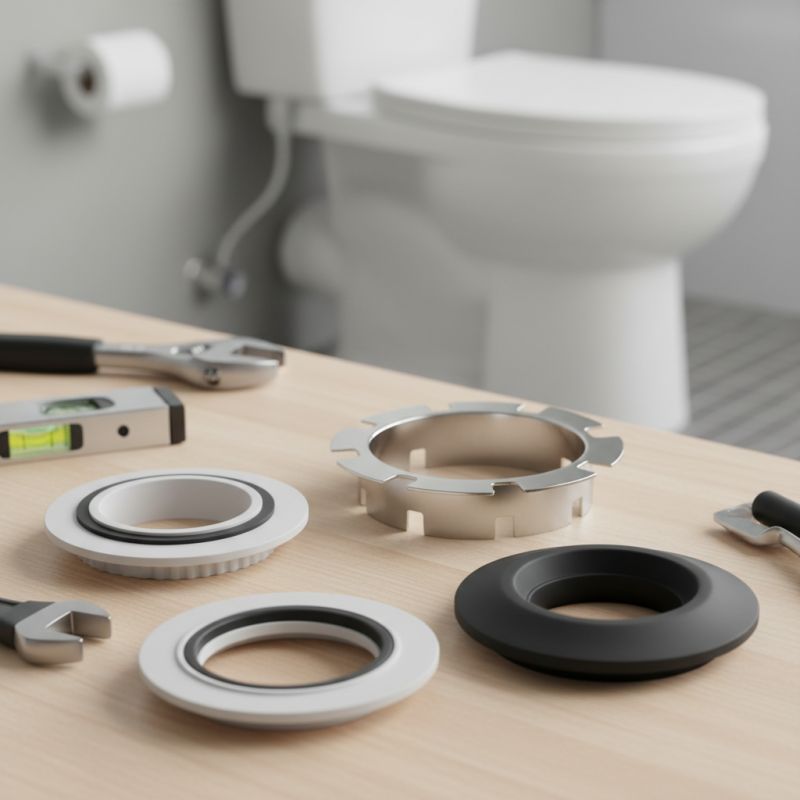
Adjustable toilet flanges are essential components in bathroom installations. They allow for a secure fit between the toilet and the floor. Understanding their importance is crucial for a successful plumbing project. An adjustable flange ensures the toilet sits level. This prevents leaks and floor damage.
There are various types and materials available. Choosing the right one can feel overwhelming. Pay attention to the height of the flange. A flange too high or too low can cause issues. Sometimes, a simple adjustment can save a lot of trouble later. It is important to check local plumbing codes as well. Compliance ensures safety and functionality.
Reflecting on past experiences is valuable. Many homeowners overlook the flange's role until a problem arises. Leaks can lead to costly repairs. Therefore, taking the time to select the right adjustable toilet flange pays off. It creates a lasting, functional, and safe bathroom environment.
Identifying the Key Factors for Choosing the Right Flange
Choosing the right adjustable toilet flange requires careful consideration of several key factors. Start by assessing the toilet's height and the thickness of the flooring. These dimensions will help you determine the appropriate flange height. A flange that’s too high or low can lead to leaks or unstable installations.
Next, consider the material of the flange. Most flanges are made from PVC or cast iron. While PVC is lightweight and resistant to corrosion, cast iron provides durability and strength. Your choice should match the specific demands of your installation environment.
**Tip:** Always check for compatibility with your existing plumbing. Some flanges are designed to work with specific pipe sizes. Misalignment can create frustrating issues down the line.
Finally, evaluate the installation process. Adjustable flanges offer flexibility but may require more skill to install correctly. If you are unsure, consult a professional. Even small mistakes can turn a simple task into a costly problem. Take the time to research your options thoroughly. Being well-informed is key to making a wise choice.
How to Choose the Right Adjustable Toilet Flange for Your Needs?
| Flange Type | Height Adjustment Range | Material | Weight Capacity | Installation Ease |
| Standard Adjustable Flange | 0.5" - 2.5" | PVC | 400 lbs | Easy |
| Heavy-Duty Adjustable Flange | 1" - 3" | Cast Iron | 600 lbs | Moderate |
| Flexible Adjustable Flange | 0.75" - 2" | ABS | 500 lbs | Very Easy |
| Low-Profile Adjustable Flange | 0" - 1.5" | Plastic | 350 lbs | Easy |
Comparing Different Materials and Designs of Toilet Flanges
When selecting an adjustable toilet flange, understanding the materials and designs is crucial. Many flanges are made from PVC, ABS, or metal. PVC flanges are lightweight and resistant to corrosion. However, they can be prone to cracking under high stress. ABS flanges offer similar benefits but often have a higher impact resistance. Metal flanges, typically made of brass or stainless steel, provide strength and durability. Reports suggest metal options may last up to 50% longer than plastic alternatives.
Design also plays a key role in functionality. Flanges with multiple adjusting heights are beneficial for uneven floors. These can accommodate various toilet styles and installation conditions. A recent survey revealed that 34% of homeowners faced issues with proper alignment. This misalignment often results in leaks and costly repairs. Opting for a design with a wide base can enhance stability.
While purchasing, consider the installation ease. Some flanges require extensive tools, raising the chance for errors. Research indicates that about 25% of DIYers struggle with installation. Errors stem from improper height adjustments or weak connections. Therefore, seek user-friendly designs that ensure a secure fit. Choosing the right flange may seem straightforward, yet many overlook these critical details.
Evaluating Height Adjustability and Installation Requirements
When choosing an adjustable toilet flange, height adjustability is a key factor. Many homes have different floor heights. A flange needs to accommodate these variations to ensure proper toilet installation. A flange that is too high or too low can lead to leaks or instability. Consider the floor covering, like tiles or vinyl. The thickness of these materials impacts the needed height.
Tips: Always measure from the finished floor to the toilet's mounting surface. This measurement ensures you choose the right flange. Adjustability often ranges from 1 to 3 inches. Choose a flange that provides enough flexibility for your specific installation needs.
Installation requirements also play a significant role. A simple design aids in a quicker install. Some flanges come with unique fastening options. Ensure that yours can be securely attached to the floor. Complicated installations can lead to additional costs. Reflect on your skills; consulting a professional might save you time.
Tips: Check if the flange is compatible with your toilet. Read the installation instructions carefully. Missteps can lead to costly repairs down the line.
Maintaining and Troubleshooting Your Adjustable Toilet Flange
Maintaining an adjustable toilet flange is crucial for optimal performance. According to a study by the Plumbing Manufacturers International, improper installation can lead to a 30% increase in leakage issues. Regular inspections are essential. Look for signs of wear or damage. If you notice a gap between the toilet and the floor, it may be time to adjust or replace your flange.
Troubleshooting a toilet flange can be straightforward. Check for cracks or corrosion, which can compromise the seal. A common issue is misalignment. If the flange doesn’t fit snugly on the pipe, you might experience leaks. You can often fix this by resetting it or using shim materials to level it out.
Another key area is ensuring that the flange is set at the correct height. Ideally, the top of the flange should be even with the finished floor. Many organizations recommend investing in adjustable options to cater to various flooring situations. Remember, if your toilet rocks or shifts, revisit the flange installation for adjustments. It’s a critical step in preventing future problems.