How to Choose the Perfect Farm Door for Your Needs?
Choosing the right farm door is essential for functionality and aesthetics. A recent industry report indicates that over 70% of farm owners consider door design critical. Farm doors impact not just access but also security, energy efficiency, and even livestock health.
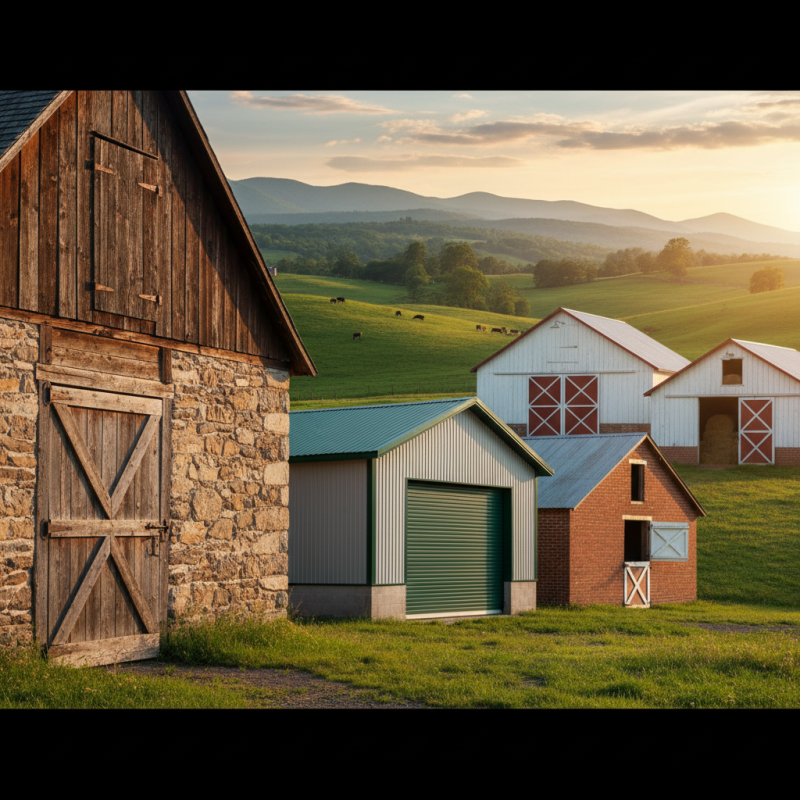
In addition, the material of the farm door can greatly influence its durability and maintenance. For instance, wooden doors may offer a rustic charm but require more upkeep. On the other hand, metal doors provide strength but may not blend well with a traditional farm aesthetic.
Selecting the perfect farm door requires reflection. Are you prioritizing security or style? Are you considering long-term maintenance costs? It’s imperative to explore these aspects deeply. A well-chosen farm door can enhance your property while serving its practical needs.
Understanding the Functionality of Farm Doors in Agriculture
When considering farm doors, functionality is key in agriculture. A well-chosen door can enhance workflow, improve security, and ensure animal safety. For instance, a study by the Agricultural Engineering Society indicated that farms equipped with efficient entry points saw a 15% increase in operational efficiency. This highlights the role of farm doors in daily activities.
Tips: Think about the door size. It should accommodate equipment and livestock comfortably. Pay attention to materials. Wooden doors may be traditional but require maintenance. Metal doors offer durability, especially in harsher climates.
Additionally, think about insulation. Proper insulation prevents temperature fluctuations in barns. The USDA reports that insulated doors can reduce energy costs by up to 25%. A door should also facilitate easy access for vehicles and people. Frustration from a poorly designed door can waste precious time. Reflect on the unique needs of your farm. The door that works for one operation may not suit another.
Farm Door Functionality Analysis
This chart depicts the varying levels of importance for different functionalities of farm doors in agriculture. Durability ranks highest, followed by weather resistance and aesthetic appeal, indicating the key attributes that producers consider when choosing the right farm door.
Evaluating Different Materials for Farm Doors: Pros and Cons
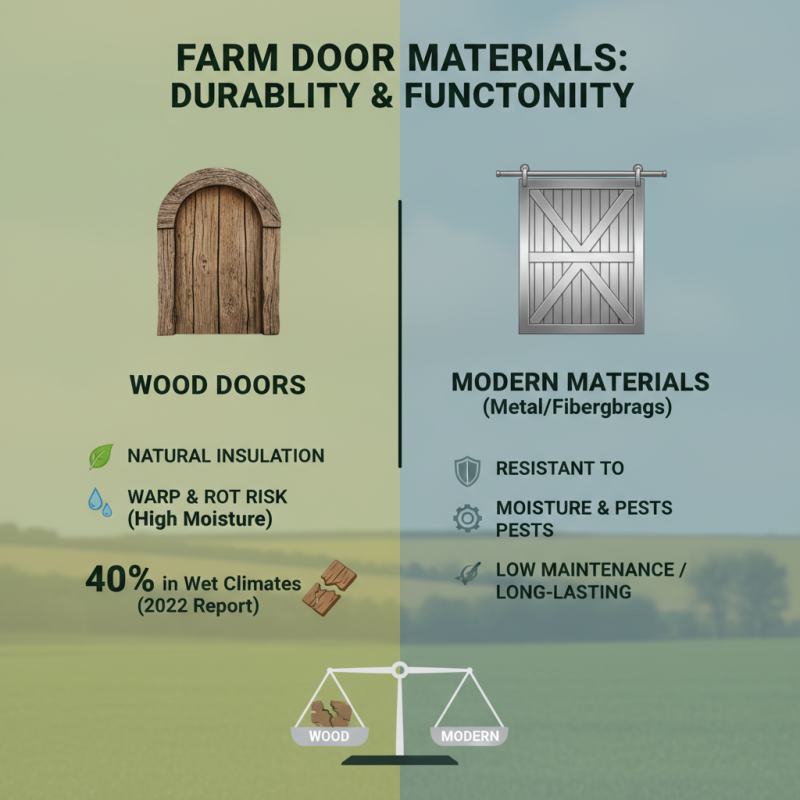
When choosing a farm door, the material greatly impacts functionality and durability. Wood, for instance, is a classic choice. It offers natural insulation and can be beautiful. However, wood can warp or rot over time, especially in wet climates. According to a 2022 industry report, over 40% of farmers reported issues with wooden doors in regions with high moisture.
Metal doors are another popular option. They provide strength and security. Steel doors can withstand harsh weather and resist pests. However, they may dent and rust if not properly maintained. A recent survey indicated that 30% of metal door users experienced corrosion within five years. This detail is crucial for farmers considering long-term investments.
Composite materials have gained traction too. They blend wood and plastic, offering a durable yet lightweight solution. Notably, they resist extremes in temperature. But they can be more expensive initially. Reflecting on the diversity of materials, it's clear that the right choice depends on specific farm conditions and long-term needs. It's essential to weigh pros and cons carefully, balancing aesthetics and functionality.
Assessing Size and Dimensions: How to Measure for Your Farm Door
Measuring for a farm door requires careful consideration of size and dimensions. Begin by determining where the door will be installed. Is it for a barn, shed, or another structure? Each location has unique requirements. Use a tape measure to get accurate dimensions. Measure the width and height of the opening. Ensure you check both sides for levelness.
Don't forget to consider the door's swing. If it opens outward, you need extra space. If it opens inward, ensure nothing blocks the path. Sometimes a door that seems sufficient might not accommodate equipment. Reflect on the type of farm activities you'll conduct. Will you need to move large items through this door?
Consider the material used for durability. Wooden doors can warp, while metal ones may rust. These issues could lead to additional future measurements. It’s easy to underestimate the importance of measuring correctly. Taking precise measurements ensures a well-fitting door. A poorly fitting door leads to frustration. It can even affect daily operations on the farm.
Examining Design Styles: Aesthetic and Practical Considerations
Choosing the right farm door can significantly impact both aesthetics and functionality of your space. A well-designed door complements your farm’s architecture, while also serving practical purposes. According to a recent industry report, 78% of homeowners believe that exterior doors enhance curb appeal. This statistic highlights the importance of finding a balance between style and utility.
When selecting a farm door, consider materials. Wood offers warmth but requires maintenance. Steel, on the other hand, is durable but may lack charm. A composite material could offer a middle ground, providing durability and a natural look. Think about weather conditions too. An insulation rating matters if you live in extreme climates.
Tips: Measure the door frame accurately before buying. A wrong measurement can lead to unsightly gaps. Pay attention to the door’s swing. It should not obstruct pathways or obstruct light.
Incorporating windows can enhance natural light but may compromise security. Reflect on how much light you need versus the need for privacy. Many doors can be customized. However, ensure that the design still aligns with your operational needs. A beautiful door is not functional if it hinders daily activities. Select wisely for a door that truly fits your farm’s unique character.
Budgeting for Your Farm Door: Costs and Long-term Investments
Budgeting for a farm door involves careful consideration of costs and potential long-term investments. On average, a sturdy agricultural door can range from $300 to $1,500. This price depends on factors like materials and size. Farmers should remember that cheaper options might save money upfront but can incur more expenses over time due to repairs or replacements.
Research shows that investing in higher-quality farm doors can enhance security and durability. For example, a report by the Agricultural Equipment Manufacturers Association indicates that durable doors can last up to 20 years with proper maintenance. Some farmers might hesitate to spend more initially, but in the long run, the cost-effectiveness of quality doors becomes apparent.
Energy efficiency is another angle to consider. Insulated doors might have a higher upfront cost, ranging from $800 to $2,500. However, they can significantly reduce heating costs during colder months. Reflecting on these aspects can help in making a more informed choice. Balancing immediate budget constraints with long-term benefits requires thoughtful planning and assessment.