How to Choose the Best Folding Door for Your Home?
Choosing the right Folding Door for your home can feel overwhelming. With numerous styles and materials available, making a decision is challenging. According to industry reports, the folding door market is projected to grow by 10% annually through 2025. This growth reflects the increasing popularity of folding doors in residential spaces.
Expert designer John Smith notes, “Folding doors bring flexibility and elegance to any home.” His insights highlight the importance of selecting a door that complements your space while providing functionality. Many homeowners overlook the significance of efficiency. Energy-efficient folding doors can dramatically reduce heating costs.
Additionally, the materials used in folding doors vary greatly. From wood to aluminum, each option has its pros and cons. Some doors may be visually striking but lack durability. Other choices might offer longevity but sacrifice aesthetic appeal. Consider your local climate and personal style when making a choice. Remember, the perfect folding door should enhance your living experience. Reflect on what you truly need in your home.
Understanding Different Types of Folding Doors Available for Homes
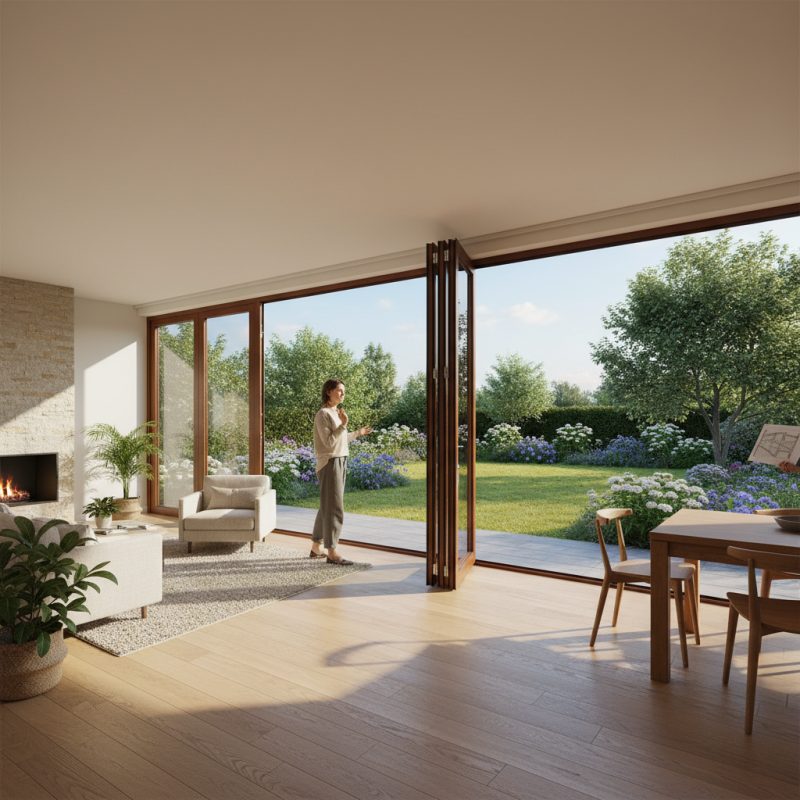
When choosing folding doors, understanding the types available is vital. Bi-fold doors are popular for their seamless indoor-outdoor transition. They allow sunlight to flood spaces, creating an airy feel. These doors often consist of several panels that fold up against one side. However, they may require adequate wall space to function properly. Think about your room's layout before deciding.
Another option is multi-slide doors. These doors stack to one side, maximizing views and access. They are often larger than bi-fold doors, offering an expansive opening. However, they can be more expensive and complex to install. Consider your budget and the installation process carefully.
Accordion doors are a simpler alternative. They are typically lighter and less costly. This type can be used in smaller spaces, like closets or laundry rooms. However, they may not provide the same aesthetic appeal as bi-fold or multi-slide options. Assess your needs and each door's function within your home. Each choice comes with its own pros and cons, requiring thoughtful reflection.
Evaluating the Space and Functionality for Folding Door Installation
When evaluating space and functionality for your folding door installation, start by assessing the area. Measure the height and width of the opening. Consider the surrounding walls and furniture placement. Clear space is essential for smooth operation. A small room may benefit from doors that slide into the wall, saving space. Think about natural light as well. Folding doors often allow more light than traditional doors.
Next, think about how the door will be used. Will it separate spaces or enhance flow? Choose a design that complements your lifestyle. Do you need privacy or openness? Reflect on your daily routines. Sometimes, a little too much openness can feel uncomfortable. Balance is key.
Folding doors can change your space dramatically. However, the installation process can be a challenge. You may face issues with measurements or uneven floors. Be prepared for adjustments. It's essential to communicate with any professionals involved. A well-planned door can offer flexibility but also requires careful consideration of your home’s layout and design goals.
How to Choose the Best Folding Door for Your Home?
| Feature | Description | Pros | Cons |
| Material | Options include wood, aluminum, and vinyl. | Durability, aesthetic appeal, variety of styles. | Cost may vary significantly; some materials require more maintenance. |
| Size | Width and height must fit the designated space. | Can maximize space usage; customizable sizes available. | Limited to the space you have; larger doors may need more structural support. |
| Functionality | Consider how frequently the door will be used. | Easy to operate; offers wide openings. | Mechanisms can wear out over time; potential jamming in high-traffic areas. |
| Style | Variety includes traditional, modern, and custom designs. | Enhances the aesthetic of your home; can be a focal point. | Stylish doors may come with a premium price; may not fit every theme. |
| Energy Efficiency | Look for insulated panels and seals. | Reduces energy costs; maintains indoor temperature. | Higher upfront costs; not all designs are equally efficient. |
Material Options for Folding Doors: Pros and Cons Explained
When selecting folding doors, materials play a crucial role in both functionality and aesthetics. Wood is a popular choice, offering warmth and classic beauty. However, it requires regular maintenance to prevent warping or rot. This can be a hassle for busy homeowners. Steel doors, on the other hand, are highly durable. They withstand harsh weather conditions but can easily show dents and scratches. Depending on the environment, this might not be the best option.
Aluminum is lightweight and resistant to rust, making it an attractive choice for modern homes. Yet, it can be prone to thermal conductivity issues, leading to temperature fluctuations in your space. Vinyl folding doors are another option, known for their affordability and low maintenance. Unfortunately, they might not provide the same aesthetic appeal as wood or metal. Each material has its unique benefits and drawbacks, so it’s vital to consider your lifestyle before deciding. Ultimately, the choice should reflect your needs and preferences.
Material Options for Folding Doors: Pros and Cons
Aesthetic Considerations: Matching Folding Doors with Home Décor
Choosing the right folding door for your home can significantly impact its aesthetic. Consider how the door's design, color, and material will complement your existing décor. For a modern space, sleek, minimalist folding doors often work best. If your home has a rustic feel, consider wooden options with natural finishes.
Tips for matching your folding door:
- Choose colors that reflect your interior palette. A door in a neutral tone can blend well.
- Look for textures that add depth. Smooth finishes can contrast beautifully with rough surfaces.
- Pay attention to the hardware. Stylish handles or hinges can elevate the overall look.
Sometimes, the size of the door can overwhelm a room. A large folding door might dominate a small space, creating an imbalance. On the other hand, a smaller door may feel insignificant. Evaluating proportions is key.
Also, reflect on lighting. A door that allows natural light can change the room's mood. But too much glass may compromise your privacy. Evaluate how each option aligns with your personal style and home functionality.
Budgeting for Your Folding Door Project: Costs and Considerations
When budgeting for your folding door project, several factors come into play. Start by considering the materials. Common options include wood, aluminum, and vinyl. Each material has its own cost and durability. For example, wood can be beautiful, but it requires maintenance. Aluminum is often cheaper but may not offer the warmth of wood.
Installation costs can surprise you. Hiring professionals can add a significant amount to your budget. Think about any additional structural changes needed. Sometimes, walls may require framing or reinforcements. This can drive up costs quickly, so be prepared.
Don't forget about aesthetics. Folding doors can transform a space. They can enhance natural light and views. However, higher-end designs can be expensive. Balance style with practicality. Reflect on your lifestyle. Will you often use the folding door? Make sure your choice is functional. Remember, your investment should suit your needs and preferences.