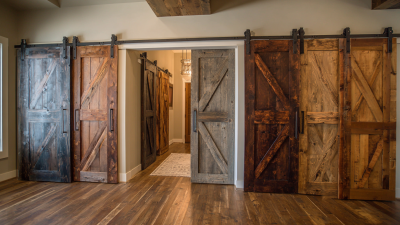
How to Choose the Perfect Interior Barn Doors for Your Home?
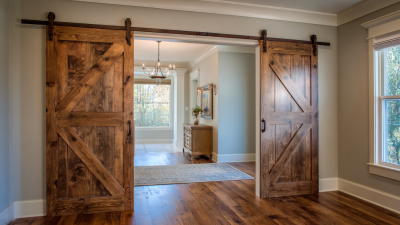
Choosing the perfect interior barn doors for your home can seem daunting. These doors not only serve a practical purpose but also transform the aesthetics of your space. They are versatile, adding charm to various styles ranging from rustic to modern.
When selecting interior barn doors, consider the type of wood, color, and finish. Each choice changes the room's overall vibe. You might want a smooth finish for a contemporary look or a weathered finish for a rustic feel. However, it’s essential to balance aesthetics with functionality. Some designs might look great but may not suit your space's layout.
Additionally, think about the hardware. The right hardware complements your doors and enhances functionality. Many overlook this detail, yet it can make a significant difference. If possible, consult with a designer or a knowledgeable friend. Their insights can help refine your choices. Ultimately, the perfect door reflects your style and meets your practical needs. Choosing wisely will enhance your home for years to come.
Understanding the Different Types of Interior Barn Doors
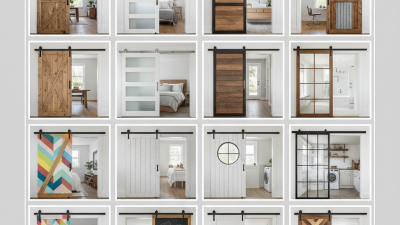
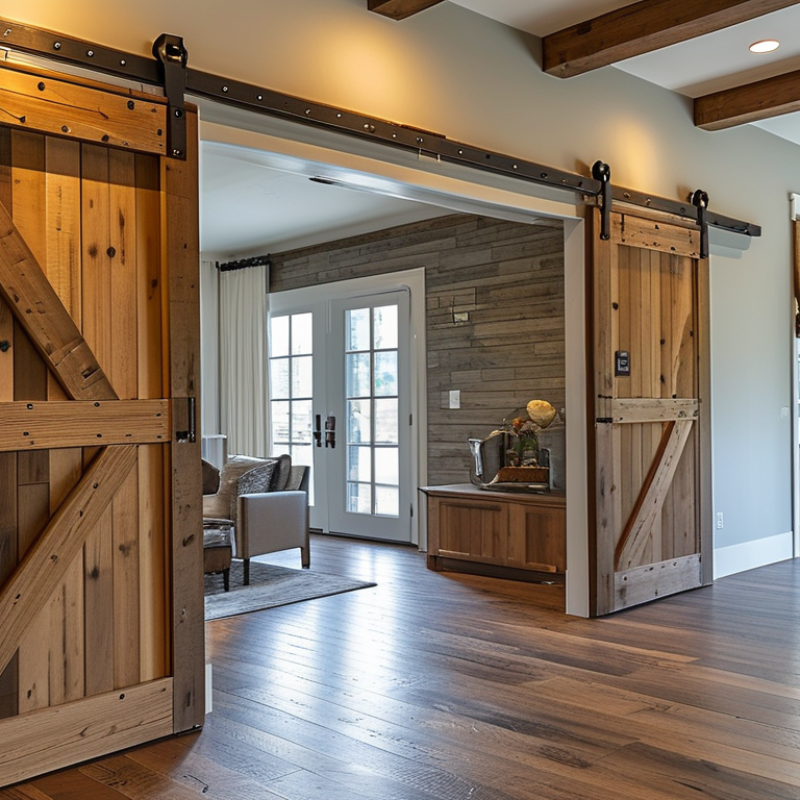
When choosing the perfect interior barn doors, understanding their types is crucial. Interior barn doors can transform your space while offering functionality. They generally fall into three categories: sliding, bifold, and pocket doors.
Sliding barn doors are popular for their rustic charm and space-saving benefits. They slide along a track, making them ideal for narrow areas. Bifold doors consist of two panels that fold to one side, perfect for closets or small rooms. Pocket doors disappear into the wall, maximizing space but requiring precise installation.
Tips: Consider the overall style of your home before selecting a door type. It should complement your existing decor. Also, think about the material. Wood adds warmth, while metal gives an industrial touch. According to industry reports, around 25% of homeowners prefer wood for its durability and aesthetic appeal.
Some homeowners experience challenges with installation. Ensuring a proper track alignment and wall support is vital. Missteps can lead to functional issues and frustrations. Remember, each room is unique, and the door you choose should serve both form and function effectively.
Evaluating Your Space: Size and Style Considerations
When choosing the perfect interior barn doors, size and style considerations are essential. Take time to measure your space accurately. Consider the width of the door frame and the height from the floor to the ceiling. These factors influence both installation and aesthetics. A door that is too large can overwhelm a room, while one that is too small may look out of proportion.
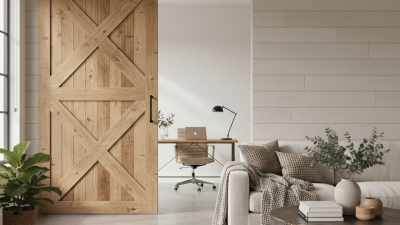
Style is equally important. Think about the existing decor in your home. A modern space may benefit from sleek lines and minimalistic designs. In contrast, a rustic home might call for weathered wood finishes. Remember, it’s not just about what looks good; functionality matters, too. Sliding doors require adequate wall space. If you think you can squeeze a large door into a small area, you might face frustrations later.
Reflect on how you use the rooms connected by the barn doors. Will they be opening frequently? Opt for a design that promotes easy sliding and stability. Consider adding a soft-close feature to prevent slamming. Taking these details into account will help create a harmonious blend of beauty and practicality in your home.
Material Choices for Interior Barn Doors: Wood, Metal, or Composite
Choosing the right material for your interior barn doors is crucial. Wood, metal, and composite materials each have unique characteristics. Wood offers warmth and a classic look. It can be stained or painted to match your decor. However, wood is susceptible to warping and moisture damage. It may require periodic maintenance to keep it looking its best.
Metal provides a modern and industrial aesthetic. It is sturdy and resistant to wear. This material can adapt to various designs, from sleek to rustic. However, metal can conduct heat and cold. This might affect temperature regulation in a room, making metal less ideal for certain climates.
Composite materials blend different substances. They are often durable and resistant to damage. Composite doors can mimic the look of wood without the drawbacks. Yet, they may not provide the same timeless charm as real wood. When selecting a material, consider your home’s style and the door's function. Each option has its strengths and weaknesses, reflecting your personal taste and lifestyle.
Material Choices for Interior Barn Doors
Hardware Options: Tracks, Handles, and Locking Mechanisms
Choosing the right hardware for your interior barn doors is crucial. Tracks, handles, and locking mechanisms enhance functionality and aesthetics. A recent survey indicates that 70% of homeowners prioritize durable hardware for their barn doors. Selecting the correct track system affects how smoothly the door operates. Top-mounted tracks are popular for their sleek appearance and functionality.
When considering handles, think about comfort and style. Many homeowners overlook this aspect. A well-designed handle can complement your interior design while ensuring ease of use. Choosing the wrong handle can lead to frustration. Aim for a handle that feels good in your hand and matches your décor.
Locking mechanisms can vary widely. For those with security concerns, options like slide bolts or deadbolts offer peace of mind. However, these can complicate the door's aesthetic. Many homeowners report dissatisfaction when security measures clash with design. Assess your specific needs before committing to a locking option.
Tip: Always test the handle and locking mechanism before finalizing your choice. Comfort and security should go hand in hand. Consider how your chosen hardware will age over time. Solid materials fare better than cheap alternatives.
Installation Tips and Maintenance for Longevity of Barn Doors
Choosing the right barn doors involves careful consideration of installation and maintenance. Proper installation is crucial for functionality. Begin by ensuring you have the correct measurements. Doors should slide smoothly along their tracks. Leveling them is important to avoid issues. Use sturdy hardware to support the doors' weight. If the installation isn't done correctly, the doors may not function as intended, creating frustration over time.
Regular maintenance is essential for longevity. Clean the tracks and wheels frequently. Dirt can accumulate and cause problems. Inspect the hardware periodically for signs of rust or wear. Lubricating the tracks can prevent sticking. Remember, small issues can escalate if ignored. Pay attention to how the doors open and close. If something feels off, address it immediately. Regular maintenance will save time and effort down the line. A well-maintained barn door can enhance your home's aesthetic appeal while serving its purpose effectively.