How to Choose Fire Rated Doors for Your Building Safety Needs?
Choosing the right fire rated doors is crucial for ensuring safety in any building. These specialized doors are designed to resist fire for a specific period. They can help contain flames and smoke, giving occupants valuable time to evacuate. In many settings, they are a legal requirement.
When selecting fire rated doors, consider their materials and construction. Steel, wood, and composite materials offer different levels of protection. You might also think about the door's location within the building. High-risk areas may need stronger ratings. Color and design also play a role in how they fit with existing architecture.
While the focus is on safety, aesthetics matter too. A well-designed fire rated door can blend seamlessly with your building’s style. However, it’s easy to overlook essential details. Think about the installation process and ongoing maintenance. Even sturdy doors can fail if not properly installed or cared for. Be reflective about your choices.
Understanding Fire Rated Doors: Definition and Purpose
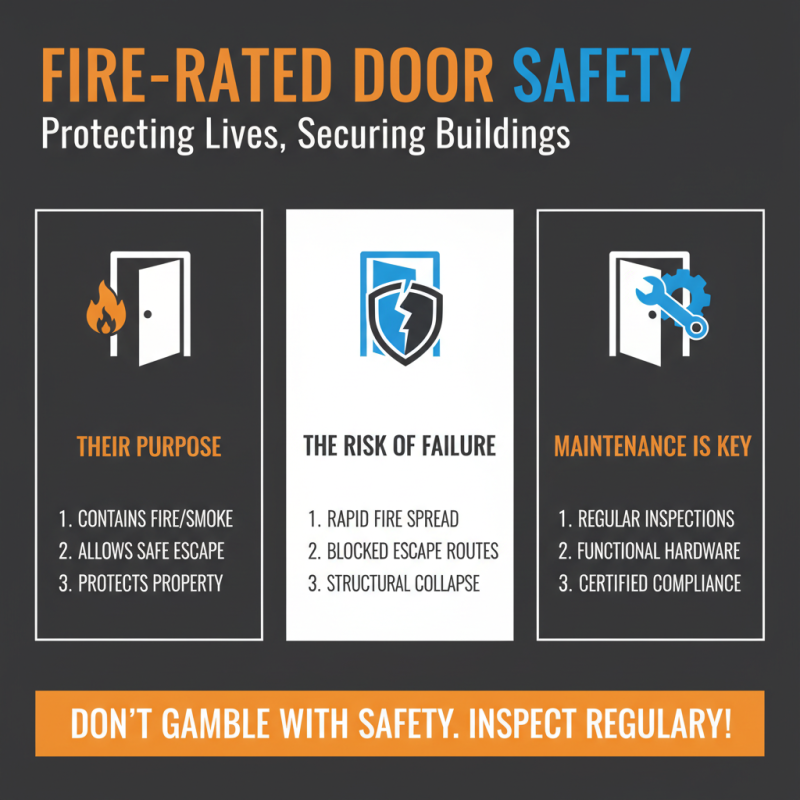
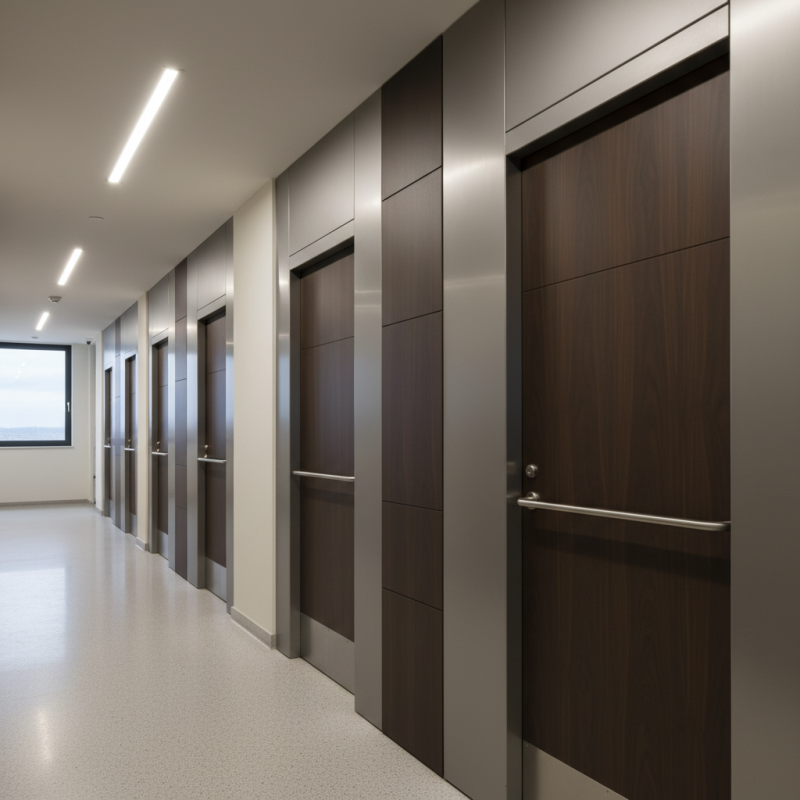
Fire rated doors are crucial for enhancing building safety. They act as barriers against heat, smoke, and flames. In emergencies, these doors help contain fires to specific areas. Understanding their purpose is vital for effective safety planning.
Choosing the right fire rated door involves several considerations. Look for the door’s fire rating. Ratings indicate how long they can withstand fire. Common ratings include 30, 60, or 90 minutes. The higher the rating, the better the protection. Opt for doors that meet your building’s specific needs.
**Tips:** Test the door's fit in the frame. Gaps can reduce effectiveness. Ensure proper installation by professionals. Regular maintenance is essential. Inspect for damage and functionality.
When selecting materials, consider steel or wood options. Steel doors often provide better durability. However, wood doors can be aesthetically pleasing. Weigh the pros and cons carefully. Reflect on your building’s environment. Are you in a high-risk area? Your choices must match your safety requirements.
How to Choose Fire Rated Doors for Your Building Safety Needs?
| Dimension |
Description |
Rating |
Application |
| 20 minutes |
Provides protection for up to 20 minutes against flames and smoke |
20 min |
Light-duty applications, such as residential buildings |
| 45 minutes |
Offers an increased level of protection for up to 45 minutes |
45 min |
Commercial buildings, corridors |
| 60 minutes |
Allows for safe evacuation during a fire, protecting against heat and flames |
60 min |
High-rise buildings, assembly areas |
| 90 minutes |
Provides extended time for evacuation and isolation of fire |
90 min |
Industrial facilities, large commercial spaces |
| 120 minutes |
Offers maximum protection, suitable for critical areas |
120 min |
Data centers, laboratories |
Key Factors to Consider When Selecting Fire Rated Doors
When selecting fire rated doors, several key factors must be considered to ensure safety. The door's fire-resistance rating is crucial. This rating indicates how long a door can withstand fire, typically ranging from 20 minutes to three hours. Consider the door's location. Areas with high risks, like kitchens, may require higher ratings.
Additionally, the materials used in the door's construction are important. Steel doors often provide more protection than wood. However, wood doors can be aesthetically pleasing, which is also a consideration for some buildings. The installation process cannot be overlooked. A poorly installed door, even if it has a high rating, can fail during a fire.
Do not forget about the hardware associated with fire rated doors. The type of locks and hinges can affect performance. Ensure they are also rated for fire resistance. While searching for the perfect door, you may realize that the options are overwhelming. It’s easy to overlook the details, but every element matters significantly in crisis situations.
Fire Rated Doors Selection Criteria
This chart illustrates the key factors to consider when selecting fire-rated doors for building safety needs. The importance levels are rated on a scale from 1 to 10, providing a clear visual representation of which criteria should be prioritized during the selection process.
Types of Fire Rated Doors and Their Specific Applications
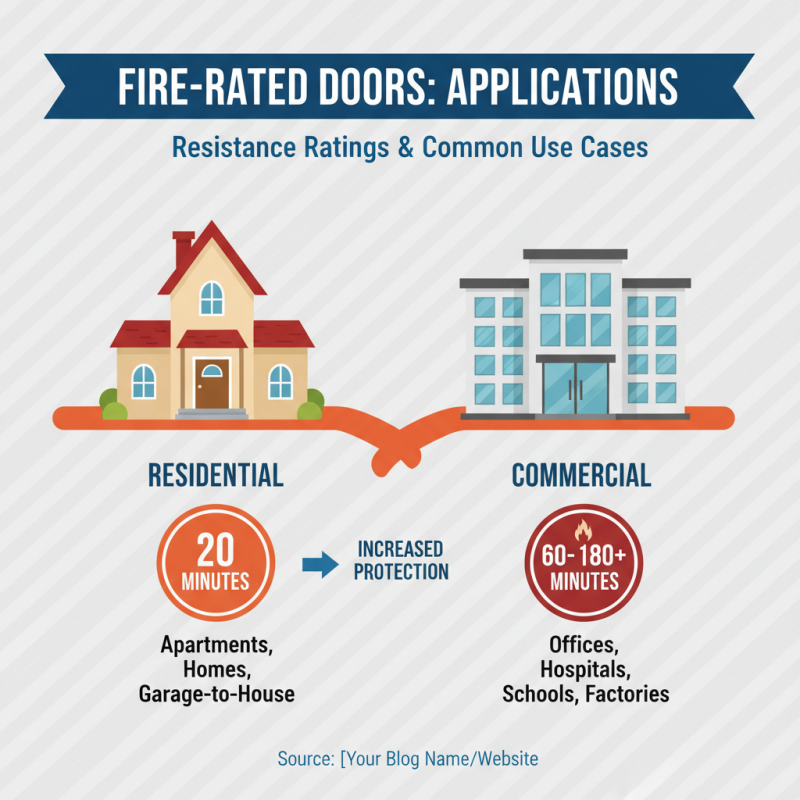
When evaluating fire rated doors, it's crucial to understand their specific applications. Fire rated doors are classified into different types based on their fire resistance ratings. These ratings often range from 20 minutes to 3 hours. For instance, doors rated for 20 minutes are commonly used in residential buildings. In contrast, those rated at 60 minutes or more are typically found in commercial properties.
Steel doors are a popular choice for areas requiring higher fire protection. A report by the National Fire Protection Association indicates that nearly 80% of fire-related deaths occur in buildings without adequate fire protection measures. Fire rated wooden doors serve well in less critical applications. However, they must meet specific standards to qualify. One significant concern is ensuring these doors are correctly installed and maintained. Poor installation can lead to gaps, undermining their effectiveness.
Moreover, it’s essential to consider the door's surrounding conditions. Some environments, like kitchens, may require specialized doors with added thermal insulation. Data from the International Code Council notes that improperly selected exterior doors can increase the risk of fire spread. Fire rated doors should not be treated as a one-size-fits-all solution. Each installation needs individual assessment for maximum safety.
Fire Rating Standards and Certifications Explained
When choosing fire-rated doors, understanding the applicable fire rating standards is crucial. Various certifications exist, such as UL and NFPA. These organizations test and rate doors based on their ability to withstand fire. A door with a 20-minute rating can hold back flames for that duration. This could buy precious time during an emergency.
Not all buildings will require the same ratings. Consider the specific needs of your building. For instance, hospitals may need higher ratings than residential buildings. Local regulations often dictate these requirements. However, relying on regulations alone might not ensure safety. Evaluate the unique risks your building may face. Factor in the materials used and the overall design.
Choosing fire-rated doors isn't just about compliance. It's about proactive safety. Reflect on what works for your specific scenario. Ask yourself whether the selected doors meet both safety and aesthetic needs. This approach can lead you to make informed, responsible choices. Always consider the balance between protection and design in every decision.