How to Choose the Best Rubber Injection Moulding Machine?
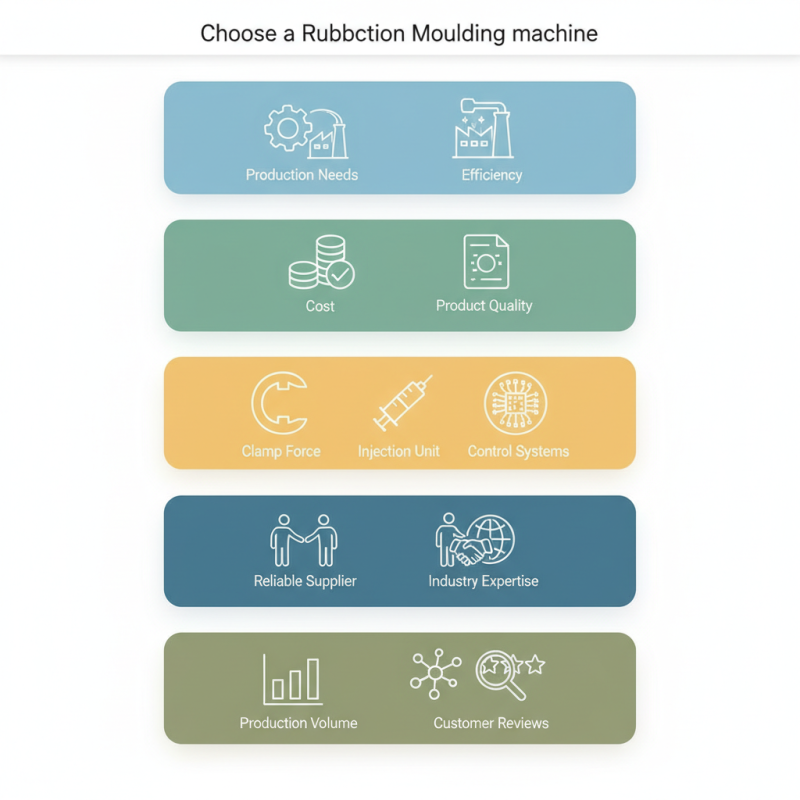
Choosing the right Rubber Injection Moulding Machine is crucial for your production needs. This decision impacts efficiency, cost, and product quality. With numerous options available, it can be overwhelming. Each machine has specific features and specifications.
Understanding the core components of these machines is vital. Factors like clamp force, injection unit, and control systems play critical roles. Selecting a reliable supplier with industry expertise is equally important. They can guide you through the complexities.
Reflect on your production volume and material types. Not all machines are equal; some may excel in certain areas while lacking in others. Researching customer reviews can provide insights, but remember to assess the credibility of sources. Making a thoughtful choice today can lead to greater efficiency and profitability in the long run.
Understanding the Basics of Rubber Injection Moulding Machines
Rubber injection moulding machines play a crucial role in manufacturing. Understanding their fundamentals can significantly impact production quality. These machines use heat and pressure to inject molten rubber into moulds, shaping it into various products. The process begins with selecting high-quality raw rubber materials. This choice influences durability and performance in the final product.
Control systems in these machines vary widely. Some offer basic manual controls, while others feature advanced computer interfaces. Operators must be familiar with these systems. Inadequate knowledge can lead to errors and wasted materials. Furthermore, machine maintenance is essential. Regular checks on the injection unit and heating elements enhance efficiency and prevent costly downtime.
Selecting the right machine requires careful consideration of production needs. A deeper understanding of mould design, cooling times, and cycle efficiency is vital. Many overlook these factors, leading to poor investment choices. Always weigh the cost against potential output and longevity. Being informed helps mitigate risks and ensures a better decision-making process.
Understanding Rubber Injection Moulding Machine Performance
Key Factors to Consider When Selecting a Rubber Injection Moulding Machine
When selecting a rubber injection moulding machine, various factors play a crucial role. One essential aspect is the machine's capacity. It should align with your production volume. Too small a machine may lead to bottlenecks. Conversely, an oversized machine may result in unnecessary costs. Understanding your production needs helps in making an informed decision.
Another key consideration is the material compatibility. Different rubber formulations require specific processing temperatures and pressures. It's vital to ensure that the chosen machine can handle your desired materials. Some machines may struggle with certain compounds, which can impact quality. Therefore, assess the machine's specifications carefully.
Maintenance requirements are also significant. Regular upkeep ensures longevity and optimal performance. Machines with easy access for servicing can save time and enhance productivity. However, finding a balance between features and complexity is essential. Overly complicated machines may lead to operational challenges. Regular training for operators can help mitigate some of these issues, yet it requires commitment and resources.
Evaluating the Capacity and Specifications of Moulding Machines
When selecting a rubber injection moulding machine, evaluating its capacity and specifications is crucial. The machine's capacity, often measured in tonnes, indicates how much material it can process effectively. Recent industry reports suggest that machines with a capacity of 100-300 tonnes are common for medium-sized operations. However, larger enterprises may require machines that can handle up to 1000 tonnes. Understanding your production needs helps you choose a machine that is neither underperforming nor excessive.
Specifications such as injection speed and temperature control also play vital roles. High injection speeds can enhance productivity. Yet, the optimal speed should align with the specific material and product requirements. For example, processing natural rubber may necessitate different settings compared to synthetic options. Precision in temperature control can significantly impact the quality of the final product. Reports indicate that maintaining a temperature variance of less than 5°C can reduce defects.
Often, manufacturers overlook these parameters in favor of immediate costs. While it may seem economical short-term, compromise on quality can lead to greater losses in the long run. Investing in a machine that meets specifications tailored to your needs is essential for sustainable growth. Make sure to analyze production data and industry needs thoroughly before making a decision.
Comparing Different Brands and Models of Rubber Injection Moulding Machines
When selecting the right rubber injection moulding machine, comparing brands and models is essential. Each brand offers unique features and specifications. It's important to look beyond just price. You should consider the technical capabilities and user reviews. Performance can vary significantly across models. Investigate the machine's efficiency in energy consumption and production output.
Tips: Look for machines with a user-friendly interface. This can enhance productivity. Assess the after-sales service offered by the brand. Good support can make a big difference. Don’t ignore the availability of spare parts. This can save time in maintenance.
Some models may boast advanced technology but fail in reliability. Consider whether the machine can handle the specific rubber compounds you plan to use. Real-world testing is crucial. Engage with other users and see their experiences. They can often offer insights that sales literature will not. Reflect on your operational needs. The best machine should not only fit your current requirements but also accommodate future growth.
Budgeting and Cost Considerations for Moulding Machine Purchase
When considering the purchase of a rubber injection moulding machine, budgeting is crucial. The initial investment can be significant. It's essential to evaluate your production needs carefully. A machine that suits a small operation may not meet the demands of a larger facility. Calculate the expected output and the materials involved in your production process. This assessment can prevent costly mistakes.
Cost considerations go beyond the purchase price. Maintenance expenses and energy consumption also play a role. It's wise to research the lifespan of the machine and potential repair costs. Some buyers overlook these factors, leading to surprises down the line. Additionally, consider any training costs. Employees must understand how to operate the machinery efficiently. This can contribute to overall operational costs.
Think about financing options available for your purchase. Some manufacturers offer leasing options. This can help manage cash flow while still obtaining the necessary equipment. Budgeting for unexpected expenses is also essential. A cushion in your budget can provide peace of mind. Planning for these factors will guide you to make a more informed decision.