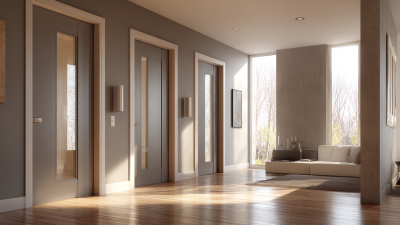
How to Choose the Best Closet Doors for Your Space and Style
When it comes to selecting the perfect closet doors for your home, the choices can be overwhelming. With various styles, materials, and functionalities to consider, it's crucial to make a decision that not only enhances your space but also complements your personal aesthetic. As interior design expert Emily Henderson notes, "The right closet doors can transform the way a room feels, offering both practicality and style." This statement encapsulates the importance of thoughtful selection in the realm of closet doors.
Closet doors serve a dual purpose: they conceal your belongings while also contributing to the overall design of a room. Whether you opt for sliding, bifold, or traditional hinged doors, each style presents its own unique benefits. By understanding the specific needs of your space and aligning them with your style preferences, you can create a functional yet visually appealing solution.
In this guide, we will explore key considerations for choosing closet doors that suit both your practical needs and design aspirations. From measuring your space accurately to selecting the right material and finish, we aim to equip you with the insights needed to make an informed decision that elevates your interior environment.
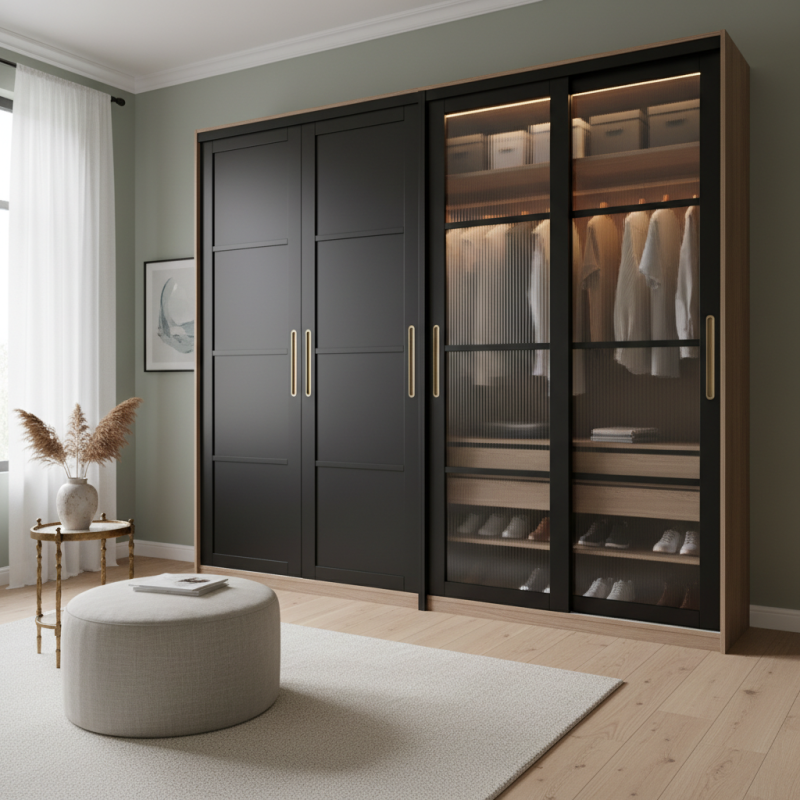
Understanding Different Types of Closet Doors Available on the Market
When it comes to choosing closet doors, understanding the various types available on the market is crucial to finding the perfect fit for your space and style.
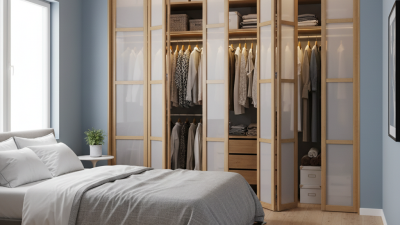
Bi-fold doors are a popular choice for their functionality and space-saving design. They open in a concertina fashion, making them ideal for smaller rooms where swinging doors may be impractical. This type of door often comes in various materials and finishes, allowing homeowners to match them seamlessly with their existing decor.
Sliding doors are another versatile option that provides a contemporary look while maximizing space efficiency. These doors glide along a track and are perfect for wider openings where traditional doors might inhibit movement. They can be customized with mirrored surfaces, which not only adds style but can also create an illusion of a larger room.
Additionally, hinged doors remain a classic favorite due to their simple and elegant design, offering a wide range of aesthetic choices, from traditional wood to modern laminate finishes. Each type of closet door has its unique appeal and functionality, making it vital to consider the specific needs and style of your space when making a selection.
Assessing Your Space: Measuring and Planning for Closet Door Sizes
When it comes to selecting the ideal closet doors, the first step involves assessing your space accurately.
Start by measuring the width, height, and depth of the closet opening to determine the appropriate sizes for the doors.
Use a reliable measuring tape and record the dimensions noting any obstructions such as
light switches or
baseboards that could affect the door's functionality.
It’s crucial to measure several times to ensure accuracy, as even small discrepancies can lead to poor fit and aesthetic issues.
After you have gathered the measurements, consider the configuration of your closet. If it is a walk-in,
sliding doors may be advantageous to save space, while
bi-fold doors can provide easy access in tighter areas.
Additionally, think about the style you want to achieve—whether modern,
traditional, or something unique—and how it complements the overall
interior design of your room.
Planning these aspects not only helps in choosing the right door types but also ensures that they enhance the functionality
and aesthetic appeal of your closet.
Determining Your Style: Matching Closet Doors with Home Decor
When it comes to selecting the best closet doors, the key is to ensure they harmonize with your overall home decor style. According to a report by the Joint Center for Housing Studies of Harvard University, 79% of homeowners prioritize aesthetics when updating their living spaces. Therefore, it’s essential to consider how the materials, colors, and designs of your closet doors will complement existing elements in your home. For instance, if your style leans towards modern minimalism, sleek sliding doors with a glass finish could enhance the open feeling of your space, while traditional wooden doors may suit a classic decor theme.
Matching closet doors with your home’s aesthetic is not just about looks; it’s also about functionality. The National Association of Realtors indicates that 39% of home buyers are influenced by storage solutions and organizational features while house hunting. Therefore, choosing doors that facilitate easy access and fit your storage needs becomes important as you decide on designs. For instance, bifold doors can save space while offering a traditional look, perfect for smaller areas. The right combination of style and practicality will ensure that your closet doors not only enhance your home’s visual appeal but also serve a purpose tailored to your lifestyle.
Material Matters: Choosing the Right Material for Durability and Aesthetics
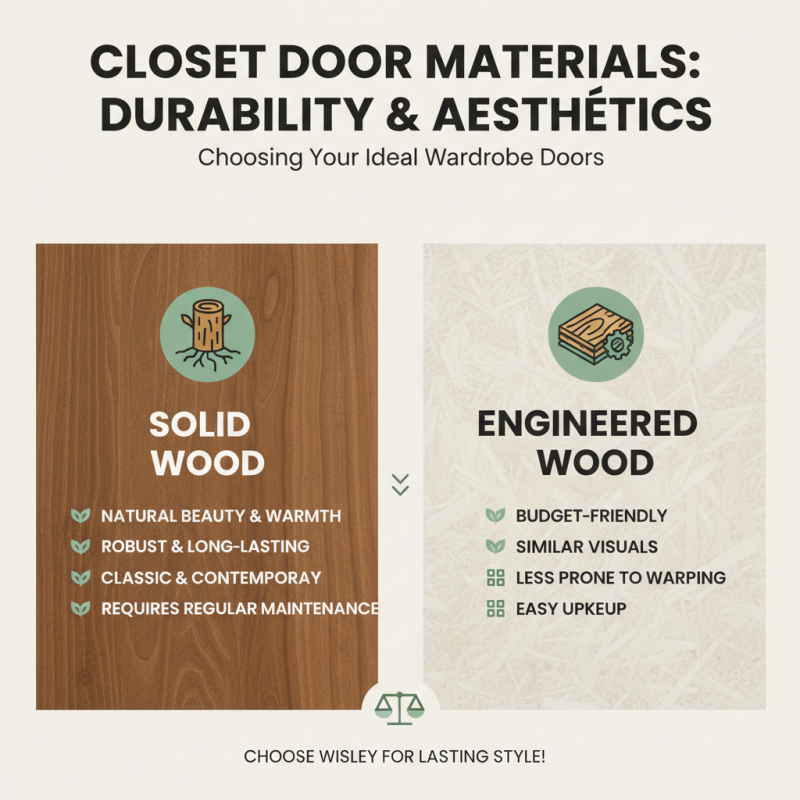
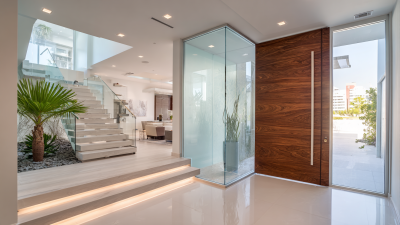
When selecting closet doors, the choice of material plays a crucial role in both durability and aesthetic appeal. Wood is a classic option that offers natural beauty and warmth, making it suitable for traditional and contemporary spaces alike. Solid wood doors are robust and long-lasting, but they may require regular maintenance to keep them looking their best. In contrast, engineered wood provides a more budget-friendly alternative, offering similar visual qualities while being less prone to warping and cracking.
Another popular material is glass, which adds a sense of openness and elegance to a room. Frosted, mirrored, or clear glass can enhance the aesthetic while making the space feel larger and lighter. However, glass doors may require more frequent cleaning to maintain clarity and shine. For those seeking durability and ease of maintenance, metal doors are an excellent choice. Robust and modern, these doors can withstand daily wear and tear while complementing industrial or minimalist design styles.
Ultimately, the right material for your closet doors should reflect both your functional needs and your personal style. Consider factors such as the climate, usage, and overall design of your space to make an informed decision that enhances your home.
Installation Options: DIY vs. Hiring Professionals for Closet Door Setup
When it comes to installing closet doors, you have two main options: a DIY approach or hiring professionals. Choosing to do it yourself can be a rewarding experience, especially if you possess handy skills and have the time to dedicate to the project. With numerous online tutorials and resources available, you can navigate through the installation process at your own pace, potentially saving on labor costs. However, it’s essential to consider your level of expertise, as incorrect installation can lead to long-term issues such as misalignment or difficulty in opening and closing the doors.
On the other hand, hiring professionals can alleviate the stress associated with the installation process. Experienced installers bring a wealth of knowledge and can often complete the job more efficiently than the average homeowner. They also have access to the right tools and techniques, ensuring a seamless and flawless finish. This option might be more expensive, but for those who prioritize a high-quality result and peace of mind, investing in professional help can be worth it. Ultimately, your decision should reflect your style preferences, budget, and level of comfort with DIY projects.
How to Choose the Best Closet Doors for Your Space and Style - Installation Options: DIY vs. Hiring Professionals for Closet Door Setup
| Option |
Pros |
Cons |
Cost Estimate |
| DIY Installation |
Cost-effective, Flexible schedule, Sense of accomplishment |
Requires tools and skill, Time-consuming, Possible errors |
$100 - $500 (depending on materials) |
| Hiring Professionals |
Expert installation, Time-saving, Warranty on work |
Higher cost, Less control over timing, Possible dependency on schedules |
$300 - $1,500 (including labor) |
| Pre-hung Doors |
Easier to install, Reduces gaps, Consistent fit |
Requires exact measurements, May be more expensive initially |
$150 - $800 |
| Sliding Doors |
Space-saving, Modern aesthetic, Easy access |
Track maintenance, Limit to one access point |
$200 - $700 |
| Bi-fold Doors |
Good for small spaces, Convenient, Stylish |
Can be tricky to install, Can swing into the room |
$150 - $600 |