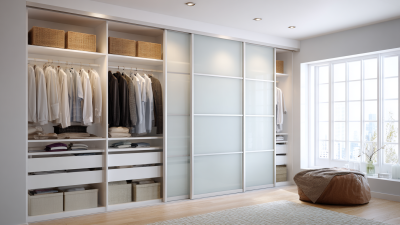
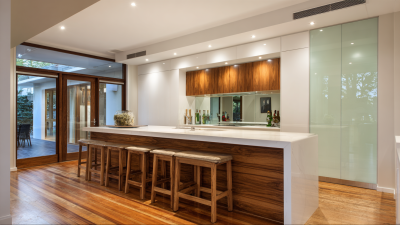
Why Choose a Sliding Door System for Your Space?
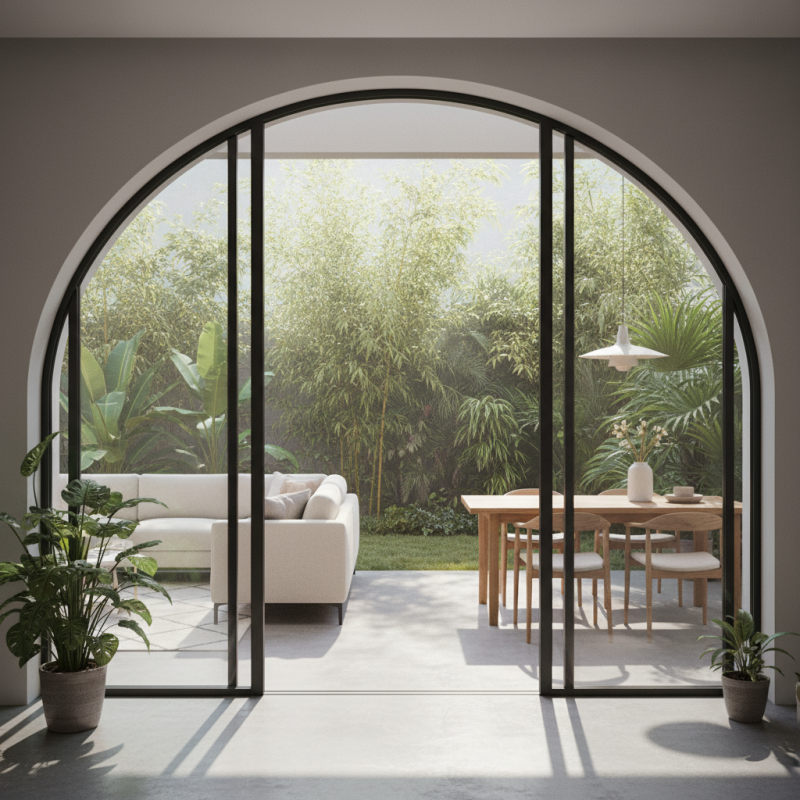
When considering the design of your space, a sliding door system can transform both functionality and aesthetics. This system offers a seamless transition between rooms, maximizing open areas. It not only saves space but also enhances natural light flow, creating a welcoming environment.
Opting for a sliding door system also brings a touch of modern elegance. These doors come in various styles and materials, catering to diverse tastes. However, the choice of hardware and installation needs careful consideration. Poor installation can lead to operational issues, making expertise crucial in this area.
As you reflect on incorporating a sliding door system, consider how it aligns with your lifestyle. Think about the balance between style and function. A well-chosen sliding door system can elevate your space, but it demands thoughtful planning to avoid common pitfalls.
Benefits of Sliding Door Systems in Modern Design
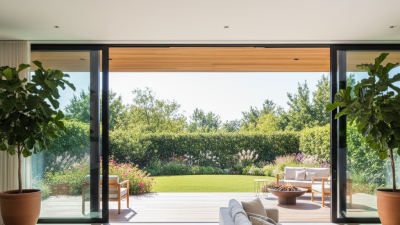
Sliding door systems have gained popularity in modern design, and for good reason. These doors are not only functional but also enhance the aesthetic appeal of any space. They create a natural flow between areas, making rooms feel larger and more open. For example, a sliding glass door can seamlessly connect a living room to a patio. This design choice invites light and offers stunning views.
In addition to their visual benefits, sliding doors are efficient and space-saving. Unlike traditional doors that swing out, sliding doors glide along a track. This design frees up valuable space, which is essential in smaller homes or apartments. The simplicity of operation is another advantage. A gentle push allows easy access, which is ideal for families with young children or individuals with mobility challenges.
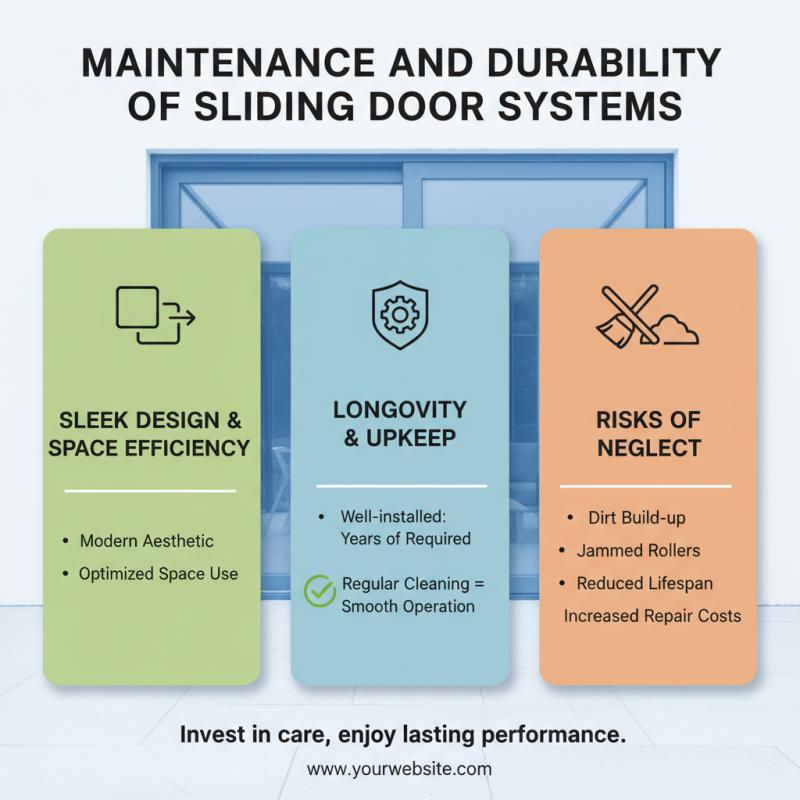
However, maintenance is sometimes overlooked. Tracks may collect dirt over time, and keeping the door clean is essential for smooth operation. This aspect requires regular attention, reflecting a commitment to the door's longevity. Being aware of these factors can help you make a well-rounded decision when choosing sliding doors for your space.
Space Optimization: How Sliding Doors Save Room
Sliding doors stand out in modern design, especially for
space optimization. They glide open, saving room that traditional doors consume. In
smaller areas, every inch matters. Sliding doors fit snugly against walls, allowing for seamless transitions
between rooms.
This design not only enhances aesthetics but also functionality. Imagine a cozy living room that transforms
into an open dining area. The smooth sliding function makes the flow effortless. However, one might wonder about the
durability of tracks and how well they resist wear and tear over time.
It's crucial to consider maintenance, as dirt can accumulate, affecting smoothness.
Incorporating sliding doors opens up a wealth of possibilities for layout and design. They can also serve as striking
focal points. Yet, it's essential to weigh the pros and cons. Assess how the doors affect natural light and
privacy. Choose wisely; the right sliding door can dramatically influence your space.
Aesthetic Appeal: Enhancing Your Interior with Sliding Doors
Sliding door systems offer unique aesthetic appeal that enhances the interior of any space. These doors create a seamless flow between rooms, making areas feel larger and more open. According to a recent industry report, 75% of homeowners choose sliding doors for visual connection between indoor and outdoor environments. This integration promotes natural light, enhancing the overall atmosphere of the home.
Beyond functionality, the design choices available with sliding doors can reflect personal style. Whether opting for sleek glass panels or rustic wooden finishes, each selection impacts the space’s character. A survey found that 68% of interior designers believe that sliding doors significantly elevate a home’s design. However, one must consider the installation process, which can be more complex compared to traditional doors. Improper installation leads to operational issues, highlighting the need for skilled professionals.
While sliding doors are visually striking, maintenance is crucial. New systems sometimes require adjustments to operate smoothly. Awareness of these potential challenges can foster a more informed decision-making process. Balancing aesthetic choices with functional needs can lead to a rewarding enhancement of your space.
Versatility of Sliding Door Applications in Various Settings
Sliding door systems offer remarkable versatility in various settings. In residential homes, they can connect indoor and outdoor spaces seamlessly. Imagine transforming a patio into an extended living area. This makes gatherings more enjoyable and allows natural light to flood in. In offices, sliding doors can create a modern look while optimizing space. They help maintain an open feel without the need for bulky hinged doors.
These doors also find applications in healthcare facilities. They can enhance patient privacy while allowing easy access for staff. Restaurants and cafes use them too; they can create an inviting atmosphere for diners. Sliding doors can serve as partitions in multi-functional spaces. However, it's crucial to consider the installation process. Poorly fitted sliding doors might stick or jam, which can be frustrating. Choosing a reliable contractor is essential for smooth operation.
In educational environments, sliding doors can provide flexible room configurations. They allow classrooms to expand or contract as needed. This adaptability caters to different teaching methods and reduces noise distractions. While the aesthetic appeal is undeniable, maintenance is necessary. Dust and debris can hinder performance, leading to potential breakdowns. Regular checks are a small price to pay for long-term functionality.
Why Choose a Sliding Door System for Your Space? - Versatility of Sliding Door Applications in Various Settings
| Application Area |
Advantages |
Popular Materials |
Design Styles |
| Residential Living Spaces |
Space-saving, aesthetic appeal, natural light |
Glass, wood, aluminum |
Modern, transitional, rustic |
| Commercial Offices |
Flexibility, increased collaboration space |
Glass, metal |
Contemporary, industrial |
| Retail Environments |
Enhances customer experience, easy access |
Glass, aluminum |
Sleek, modern |
| Hospitality Industry |
Improves flow between indoor and outdoor spaces |
Wood, fiberglass |
Elegant, classic |
| Healthcare Facilities |
Space efficiency, accessibility |
Aluminum, glass |
Functional, minimalist |
Maintenance and Durability of Sliding Door Systems
Sliding door systems are increasingly popular due to their sleek design and efficient use of space. One key aspect of their appeal is maintenance and durability. A well-installed sliding door can last for years with minimal upkeep. Regular cleaning helps prevent dirt build-up, ensuring smooth operation. However, neglecting this can lead to unwelcome issues over time.
Durability heavily relies on the materials used. Many sliding doors are made from high-quality metals or toughened glass, providing strength and security. Yet, not all materials perform equally in every environment. For instance, metal frames may corrode in humid climates. This factor needs consideration during installation.
Inspecting the rollers and tracks is equally important. These components require lubrication and occasional replacement. Failing to address wear and tear may result in frustrating malfunctions. Overall, choosing a sliding door system can enhance your space, but it's essential to understand care requirements for long-lasting performance.