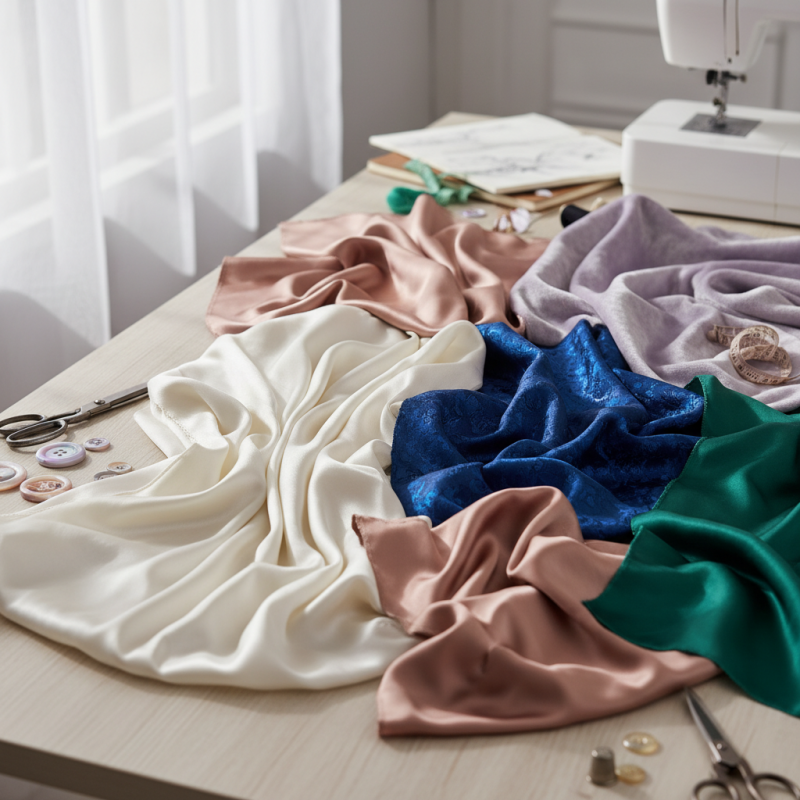
How to Choose the Best Imitation Silk Fabric for Your Needs?
Choosing the right Imitation Silk Fabric is essential for various projects. This fabric mimics the luxurious feel of real silk but offers more versatility. It is ideal for clothing, home decor, and art projects.
While many options exist, not all imitation silk fabrics are created equal. Factors like texture, weight, and sheen are crucial. Understanding these can enhance your project significantly. Consider your specific needs before making a selection.
Some might overlook the importance of quality. Investing in a high-quality imitation silk fabric can make a difference. The right choice ensures durability and beauty. Take your time in exploring options, as the perfect fabric awaits.
Understanding Imitation Silk: Types and Characteristics
Imitation silk fabric has gained popularity in various industries, thanks to its affordability and versatility. Understanding the different types and characteristics can significantly enhance your choice. Common types include polyester satin, charmeuse, and microfibers. Each type offers distinct features such as sheen, softness, and durability that may suit different applications.
[Insert image of polyester satin] Polyester satin, for instance, is known for its glossy surface and smooth touch. This makes it ideal for evening wear or luxurious home textiles. On the other hand, charmeuse provides a heavier feel while maintaining a graceful drape, suitable for formal dresses. According to industry reports, the demand for imitation silk is anticipated to grow at a CAGR of 5% over the next five years, driven by a rising preference for sustainable alternatives.
When choosing imitation silk, consider the weight and weave. A heavier fabric can appear more luxurious but may be less breathable. Lightweight options are often more comfortable but may not drape as elegantly.
Tips: Test the fabric’s feel by draping it over a hanger. This can reveal how it will behave in real use. Evaluate the way light interacts with the material: a fabric that catches the light beautifully can enhance your projects. Remember, not all imitations are equal; some may fray or fade faster. Always request samples before committing to a large purchase. Choose wisely, as your selection impacts the final look and feel.
Identifying Your Fabric Needs and Preferences
When selecting imitation silk fabric, your needs and preferences are paramount. Think about the end use of the fabric. Will it be for clothing, home decor, or crafts? Each application demands different qualities. For garments, a softer, lighter material may be ideal. For upholstery, a more durable option can enhance longevity.
Consider the texture and appearance. Some imitation silks have a smooth, lustrous finish, while others may appear slightly matte or textured. It’s crucial to touch the fabric and observe how it drapes. Does it flow? Does it feel comfortable against the skin? Pay attention to how it looks under different lighting conditions.
Budget also plays a key role. Higher-quality imitation silks often look more authentic but can be pricier. Reflect on how much you're willing to invest in this fabric. It’s easy to get swayed by surface beauty, but quality matters. For sustainable choices, seek out fabric made from recycled materials. It’s important to balance aesthetics with ethical considerations.
How to Choose the Best Imitation Silk Fabric for Your Needs?
| Fabric Type | Weight (g/m²) | Breathability | Shimmer | Care Instructions |
| Polyester Satin | 80 | Moderate | High | Machine wash cold |
| Silk-Like Nylon | 70 | High | Medium | Hand wash recommended |
| Chiffon | 60 | High | Low | Dry clean only |
| Satin Poly Blend | 85 | Moderate | Medium | Machine wash gentle |
Evaluating Quality: Key Features of Good Imitation Silk
When evaluating imitation silk fabric, consider texture and feel. High-quality imitation silk should feel smooth and soft against the skin. Look for a fabric that drapes well and does not easily wrinkle. A good test is to touch the fabric and see how it responds. Does it bounce back? Does it glide through your fingers?
Color vibrancy is another important feature. Check if the color is consistent and vivid throughout the fabric. Look for dying techniques that enhance the brightness and depth of the hue. Make sure to inspect for even dye distribution. Fabric that has uneven coloring can indicate inferior quality.
Lastly, consider the weight of the fabric. Heavier imitation silk often provides a more luxurious feel. However, weight does not always equal quality. Thin fabrics can also be well-made. It's crucial to analyze the thickness along with durability. Make sure it holds up to everyday use. Ideally, you want a fabric that retains its beauty and charm even after multiple washes. Remember, finding the right imitation silk will take some trial and error. Don't rush the process.
Evaluation of Imitation Silk Fabric Quality
This chart illustrates the key features evaluated when selecting imitation silk fabric. The metrics include softness, sheen, durability, breathability, and weight, with each rated on a scale from 1 to 10 based on quality assessments.
Comparing Pricing and Cost-Effectiveness of Imitation Silk Fabrics
When selecting imitation silk fabric, pricing is a crucial factor. Various price points exist due to differences in material quality and production techniques. Some options may seem luxurious yet are surprisingly affordable. On the other hand, the cheapest choices may not provide the desired elegance or durability. A careful comparison is essential for finding a balance between cost and quality.
Tips: Always check the fabric's texture and shine. High-quality imitation silk should mimic real silk closely. Look for a soft feel and a rich luster. Avoid fabrics that feel rough or appear overly shiny, as that can indicate inferior quality.
Cost-effectiveness is about understanding value versus price. Sometimes, a slightly higher-priced fabric offers better durability. A quality imitation silk can withstand more wear, saving money in the long run. Investing in a good product may reduce the need for frequent replacements.
Tips: Consider the purpose of your fabric. A gown may require finer material, while casual wear can handle a more economical version. Evaluate how often you will use the fabric. This assessment can guide your purchasing decision.
Practical Tips for Care and Maintenance of Imitation Silk
Caring for imitation silk is essential for maintaining its beauty and longevity. Start by learning the right washing techniques. Hand washing is often the safest option. Use cold water and a gentle detergent. Avoid bleach, as it can damage fibers. If you must machine wash, select the delicate cycle and place items in a mesh bag.
Drying imitation silk requires special attention. Never wring out the fabric to remove water, as this can cause stretching. Instead, lay it flat on a clean towel and roll it up to absorb excess moisture. Hang to dry away from direct sunlight to prevent fading or discoloration.
Ironing imitation silk can be tricky. Use the lowest heat setting on your iron. Always place a thin cloth between the iron and the fabric. This prevents burns or permanent marks. It’s important to test a small area first. Understanding these details can make all the difference, allowing your imitation silk to remain vibrant and elegant for years.