2026 Best Water Saving Toilet Options for Sustainable Homes?
As sustainable living gains momentum, the importance of efficient water use cannot be overstated. Water Saving Toilets are essential for eco-friendly homes. These toilets not only reduce water consumption but also help in lowering utility bills. Choosing the right model can be overwhelming, given the variety available.
In 2026, homeowners seek reliable options that support both conservation and comfort. Many water-saving designs use advanced technology to enhance performance while minimizing water usage. Nonetheless, some models may not perform as expected, leading to frustration. It’s crucial to research and read reviews before making a decision.
Ultimately, selecting a Water Saving Toilet should align with personal preferences and environmental goals. It's about striking a balance between functionality and sustainability. Your choice can impact water resources and contribute to a better future. Each small adjustment in our homes can lead to significant changes in our world.
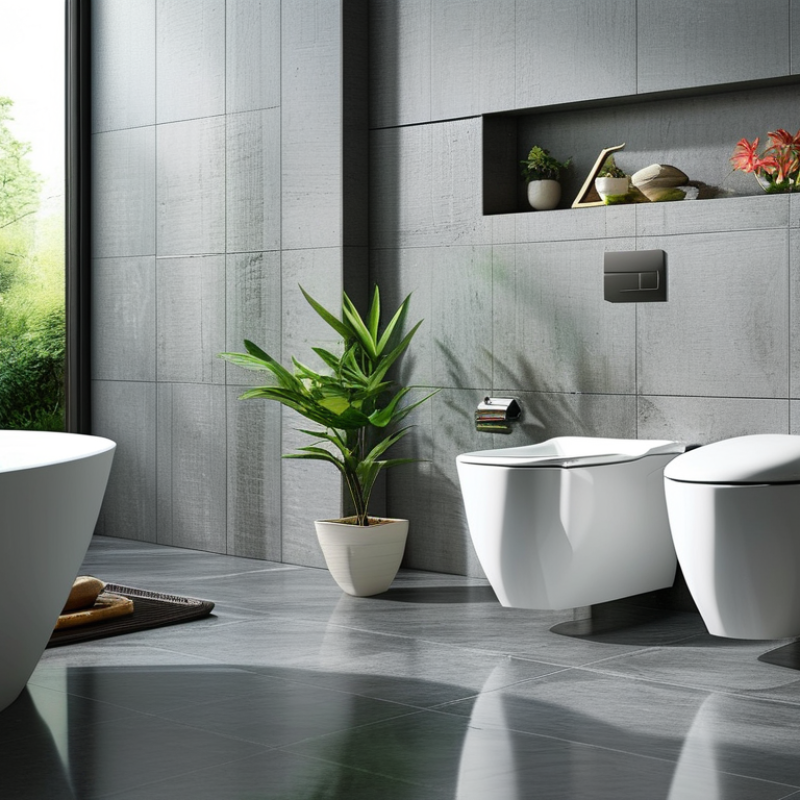
Innovative Water-Saving Technologies in 2026 Toilets
In 2026, water-saving toilets showcase remarkable innovations aimed at sustainability. These toilets incorporate advanced dual-flush systems. Users can choose between a light flush for liquid waste and a stronger flush for solids. This simple mechanism significantly reduces water usage. Many models now utilize around 1.28 gallons per flush. This is a notable improvement over older toilets that often waste over three gallons per flush.
Another interesting technology is the smart water management system. These toilets can detect the type of waste and adjust the flush accordingly. Additionally, some models come with built-in sensors to monitor water flow. This helps identify leaks early and prevents unnecessary water waste. Such systems align with the growing trend of smart home devices.
Comfort and efficiency are also key features. High-efficiency toilets (HETs) include upgraded bowl designs that improve the flush performance. They save water without compromising user experience. However, efficiency sometimes comes with challenges. Some consumers may find that newer designs require adjustments to their plumbing systems. Overall, the future of toilets lies in their ability to conserve water while offering modern conveniences.
Key Features to Look for in Eco-Friendly Toilets
When choosing eco-friendly toilets, look for water efficiency. Many designs use less than 1.28 gallons per flush. This feature alone significantly reduces water waste in homes. A dual-flush option can offer two flushing settings, making it even better for water conservation. Some toilets achieve high performance in flushing while still maintaining low water consumption.
Comfort and design are essential, too. Height matters for usability, especially for elderly family members. Consider models with elongated bowls; they provide added comfort. Moreover, the materials used should be durable and easy to clean. Glazed finishes can prevent the buildup of grime, making maintenance less of a chore.
It’s crucial to check for certification labels. Third-party certifications can indicate the efficiency and environmental impact of the toilet. However, not all toilets meet these standards. Always research the specifications before making a purchase. While durable options are available, some may not live up to expectations. Conduct thorough research to avoid disappointment.
2026 Best Water Saving Toilet Options for Sustainable Homes
| Model | Water Consumption (Gallons per Flush) | Flush Technology | Certification | Additional Features |
| Model A | 1.28 | Dual Flush | WaterSense Certified | Quiet Operation, Easy Clean Surface |
| Model B | 1.0 | Gravity-Flush | EPA Certified | Comfort Height, Elongated Bowl |
| Model C | 1.28 | Pressure-Assisted | ADA Compliant | Efficient Flush, Anti-Clog Design |
| Model D | 1.6 | Single Flush | LEED Certified | Stylish Design, Quick-Release Seat |
| Model E | 0.8 | Innovative Flush Technology | Green Seal Certified | Compact Design, Easy Installation |
Top Brands Leading the Sustainable Toilet Industry
When it comes to sustainable homes, water-saving toilets play a crucial role. Several brands are leading the charge in this essential area. These toilets use innovative designs to reduce water consumption while still providing excellent performance. Many focus on dual-flush mechanisms or advanced bowl technologies to maximize efficiency.
Choosing a water-saving toilet requires careful thought. Look for models with the highest water efficiency ratings. Some brands prioritize materials that ensure durability and reliability. Features like easy installation and straightforward maintenance can be valuable too. It's also important to consider the aesthetic aspect; eco-friendly designs can blend with various home styles seamlessly.
Regular maintenance ensures optimal performance. Periodically check for leaks or clogs. These issues can waste water and affect functionality. Remember, even the best toilets need care. Reflect on your toilet's performance and consider upgrades. Investing in a water-saving toilet is not just about conservation. It’s about enhancing your home for a better future.
Comparative Analysis of Water Consumption: Traditional vs. Water-Saving Toilets
Water consumption is a significant concern in modern plumbing. Traditional toilets use about 3.5 to 7 gallons per flush. In contrast, water-saving toilets can use as little as 1.28 gallons. According to the U.S. Environmental Protection Agency, if every household in the U.S. installed water-efficient toilets, it could save over 2 billion gallons of water daily. That's equivalent to the annual water use of nearly 25 million people.
However, not all water-saving toilets perform equally. Some complaints arise regarding their flushing power. Users may find they need to flush multiple times. This can negate water savings. Moreover, the initial cost of water-saving models might deter some homeowners. Yet, considering the long-term savings on water bills, the investment can be worthwhile.
Evaluating options is crucial. Homeowners should check the toilet's flush performance ratings. Look for models with strong consumer reviews that indicate reliability. Additionally, consider dual-flush systems, providing users the choice for solid or liquid waste. This can optimize water usage even further. Don't forget to assess the plumbing setup; compatibility can impact performance.
2026 Best Water Saving Toilet Options for Sustainable Homes
User Reviews and Ratings of the Best Water-Saving Toilets in 2026
Choosing a water-saving toilet can greatly enhance sustainability in your home. User reviews reveal a wide range of experiences with these fixtures. Many users appreciate toilets that use less than 1.28 gallons per flush, citing their positive impact on water bills. Yet, some people find that such toilets do not always clear waste effectively. This leads to dissatisfaction for users who prioritize performance.
When selecting a water-saving toilet, look for those with dual flush options. These models offer a choice between light and heavy flushes, providing flexibility based on needs. Many customers have reported good experiences with these designs. Additionally, consider models that are easy to clean and maintain. User feedback often highlights the importance of a smooth ceramic surface, which prevents buildup.
Inspecting warranty options is crucial. Some parents noted that higher-priced models sometimes fail before the warranty ends. Reviews remind potential buyers that solid construction matters. Water-saving toilets should meet efficiency standards without sacrificing functionality. Pay attention to user ratings that discuss both water conservation and flushing power to find a balance that works for your household.