Best Silicone Hose for High Performance Applications?
In the world of high-performance applications, the choice of materials can significantly impact efficiency and durability. Silicone Hoses have emerged as a vital component for those seeking enhanced performance in various settings. Their flexibility and ability to withstand extreme temperatures make them popular among automotive enthusiasts and engineers alike.
Many high-performance setups rely on silicone hoses to ensure reliable fluid transfer. These hoses are designed to handle pressures and temperatures that standard options cannot. Their lightweight yet durable nature allows for improved airflow and reduced weight, contributing to overall vehicle performance.
Choosing the best silicone hose is not a straightforward task. Factors such as size, shape, and application determine the ideal selection for specific needs. Users should pay attention to quality and manufacturer reputation. Not all silicone hoses are created equal, and doing thorough research is essential. As users navigate the options available, reflecting on past experiences can lead to more informed decisions for optimal performance.
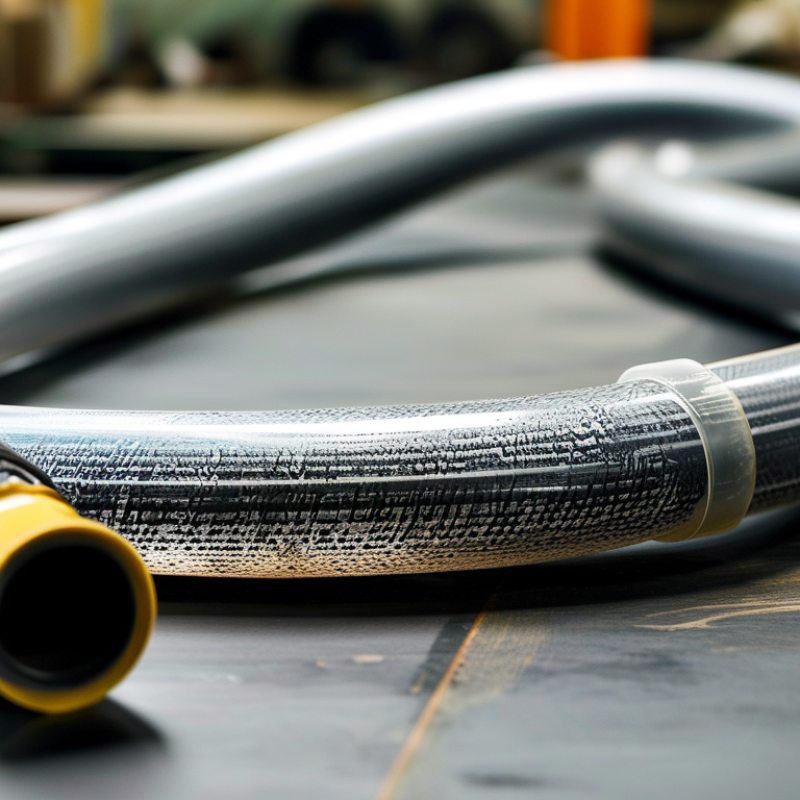
Overview of Silicone Hoses in High Performance Applications
Silicone hoses are vital in high-performance applications. They offer excellent flexibility and durability. These hoses withstand high temperatures and pressure, making them ideal for demanding environments. Their resistance to aging and cracking enhances their reliability. This is crucial for automotive, industrial, and aerospace sectors.
In high-performance engines, silicone hoses prevent leakage and boost efficiency. Their ability to handle extreme conditions gives them a significant advantage over Rubber Hoses. However, not every silicone hose is created equal. It's essential to consider factors likethickness and reinforcement. Some hoses may fail under intense pressure. Regular inspections are necessary to ensure they meet performance standards.
Customization options abound with silicone hoses. They come in various sizes and shapes. An ideal hose should fit snugly to avoid blowouts. While silicone hoses excel in many ways, they may not suit all applications. Evaluate specific needs before making a choice. This thoughtful process can prevent costly mistakes down the line.
Key Benefits of Using Silicone Hoses Over Traditional Materials
Silicone hoses have become a staple in high-performance applications due to their superior qualities. Unlike traditional rubber hoses, silicone can withstand extreme temperatures, often ranging from -40°F to 500°F. This thermal stability ensures that they retain their integrity under intense conditions, making them ideal for automotive and industrial settings.
Another advantage of silicone hoses is their flexibility. They can bend and twist without kinking, which allows for easier installation in tight spaces. Unlike rigid materials, silicone can absorb vibrations, enhancing overall system performance. However, it's important to note that the color might fade over time when exposed to the sun. While this does not affect functionality, it can be visually noticeable.
Furthermore, silicone hoses are resistant to many chemicals and oils, making them suitable for diverse applications. Although they are more expensive initially, their durability and longer lifespan offer cost savings in the long run. Users should be mindful, however, that improper installation can lead to leaks. Paying attention to the fitting and securing methods can prevent future issues.
Factors to Consider When Selecting Silicone Hoses for Performance Use
When selecting silicone hoses for high-performance applications, several critical factors come into play. First, temperature resistance is paramount. High-quality silicone hoses can withstand temperatures up to 500°F (260°C), making them suitable for demanding environments. In fact, a study by the Society of Automotive Engineers found that hoses made from silicone outperformed rubber counterparts in heat durability by a significant margin.
Another important aspect is pressure ratings. Silicone hoses often operate under high pressure, sometimes exceeding 30 psi. A report from the International Rubber Study Group emphasized that proper pressure handling directly correlates with the longevity and performance of hoses. It is crucial to choose hoses with appropriate reinforcement layers to prevent collapse and maintain structural integrity under stress.
Flexibility and bend radius are also key considerations. Silicone hoses generally offer superior flexibility, allowing for tighter routing in complex engine designs. However, not all silicone hoses are the same. Some might become brittle over time, leading to potential failures. Regular inspections and understanding the materials used can help in making informed choices. Performance applications may require a balance of various attributes, and selecting the right silicone hose can greatly impact efficiency and reliability.
Top Brands and Products in the Silicone Hose Market
When it comes to silicone hoses for high-performance applications, various brands stand out in the market. These hoses are built to withstand extreme temperatures and pressures. They are often preferred due to their flexibility and durability. The right silicone hose can enhance engine performance and ensure optimal airflow.
Several top brands focus on high-quality manufacturing processes. Their products often feature multi-layered designs for added strength. Users typically look for hoses that can handle both coolant and boost applications. However, not every silicone hose meets these needs. It is crucial to research and compare options carefully. Some products may not perform well under specific conditions, which can lead to premature failure.
Choosing the best silicone hose involves personal experience and expert recommendations. Some users may find that certain hoses do not fit as expected. It's essential to check compatibility with your vehicle. This attention to detail can prevent costly mistakes. Ultimately, selecting a reliable silicone hose can contribute significantly to the overall performance of high-performance applications. Make informed decisions based on genuine feedback from experienced users.
Installation and Maintenance Tips for Silicone Hoses in High Performance Settings
When it comes to high-performance applications, the installation of silicone hoses requires careful consideration. Proper placement is critical. Any misalignment can lead to airflow restrictions and overheating. According to industry data, about 30% of performance issues arise from improper hose installation. Factors such as temperature, pressure, and flow direction must be taken into account to ensure optimal functionality.
Regular maintenance is vital for longevity. Silicone hoses can degrade over time due to exposure to heat and various fluids. Inspections should be conducted every few months. Look for signs of wear, such as cracks or softness. Interestingly, silicone hoses can withstand high temperatures up to 350°F. However, prolonged exposure might still result in deterioration. This highlights the importance of timing and frequency in your maintenance routine.
A key takeaway is that silicone hoses can perform excellently, but they are not invulnerable. Understanding their limitations is crucial. You might consider environmentally friendly cleaning solutions to avoid harsh chemicals that could accelerate wear. Reflection on installation practices and routine checks can make a significant difference in performance and reliability.
Best Silicone Hose for High Performance Applications
| Hose Type | Temperature Range (°F) | Pressure Rating (psi) | Inner Diameter (inches) | Color Options | Ideal Applications |
| Silicone Reinforced Hose | -40 to 500 | 60 | 2.0 | Red, Blue, Black | Turbocharger Systems |
| Silicone Vacuum Hose | -50 to 350 | 30 | 1.5 | Clear, Yellow, Green | HVAC Systems |
| Silicone Turbo Hose | -40 to 300 | 75 | 3.0 | Black, Red | Intercooler Systems |
| Silicone Heater Hose | -40 to 350 | 50 | 0.75 | Blue, Yellow | Cooling Systems |