What are the Benefits of Modern Interior Doors?
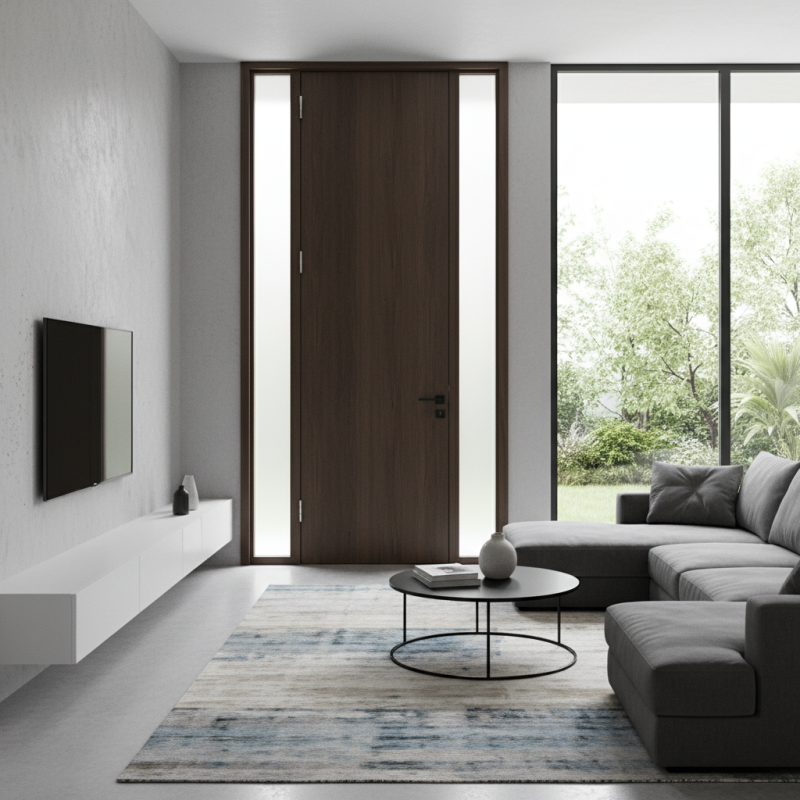
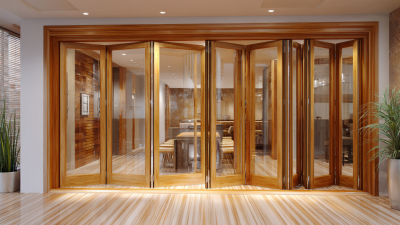
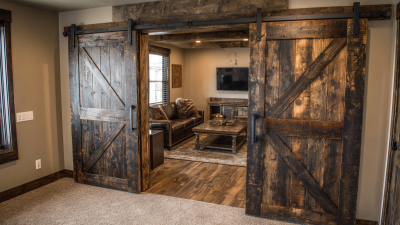
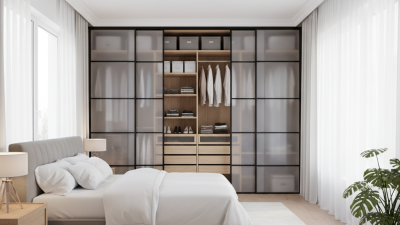
Modern interior doors play a vital role in home design. These doors combine aesthetics with functionality. They’re not just barriers; they enhance a room's character.
Choosing modern interior doors can transform ordinary spaces. Sleek lines and minimalist designs create a sophisticated look. Different materials, like wood and glass, offer various styles. This choice lets homeowners express personal taste and style.
However, some may overlook the importance of door selection. A poorly chosen door can disrupt a room's harmony. Homeowners should consider both form and function. Reflecting on what each door adds to the home is crucial. Achieving balance is key to effective interior design.
Understanding the Aesthetics of Modern Interior Doors
Modern interior doors have become a focal point in home design, marrying functionality with aesthetic appeal. The sleek lines and minimalist designs often found in these doors enhance the visual flow of a space. A report by the Architectural Digest states that 72% of homeowners consider interior doors as essential elements in design coherence. They can elevate the overall ambiance, making rooms feel more inviting and stylish.
When choosing modern interior doors, consider colors and finishes that match your decor. Neutral tones work well for a clean look, while bold colors can become statement pieces. Tips: Always balance different textures to create depth. Wood doors, for example, can provide warmth, while glass can add openness. Additionally, opt for doors with unique hardware to elevate their overall aesthetic appeal.
One challenge lies in ensuring that these doors complement the existing architecture. Sometimes, modern doors may clash with traditional elements, leading to a mismatch. It’s essential to reflect on how your choice fits within the overall design narrative of your home. Visualize the space as a whole. This thought process can often uncover design inconsistencies that need addressing.
Exploring the Durability of Modern Door Materials
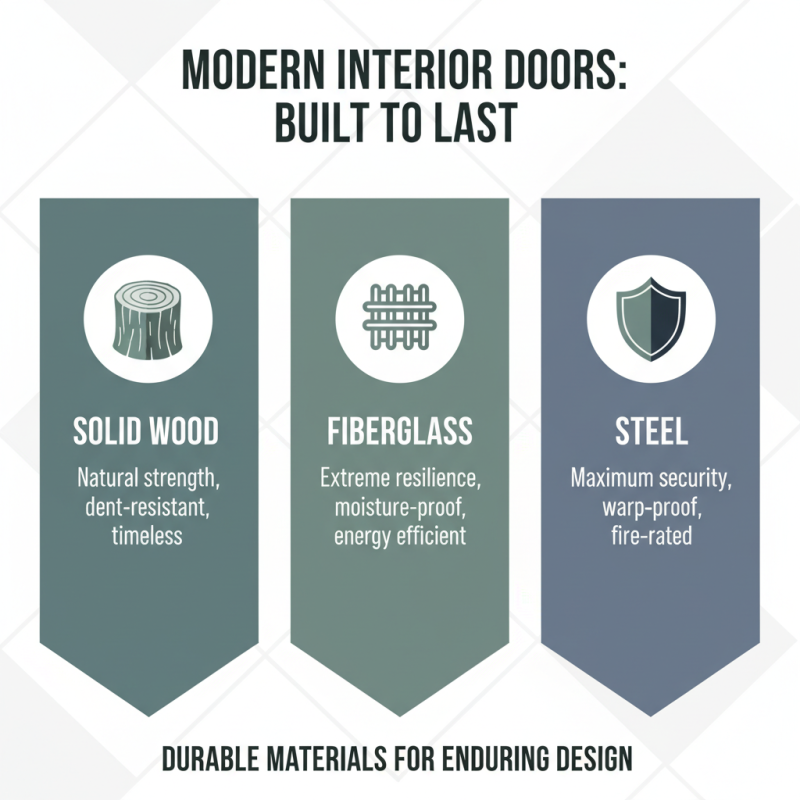
Modern interior doors are gaining popularity, not just for their aesthetic appeal but also for their durability. The materials used in these doors are critical for longevity. For instance, solid wood, fiberglass, and steel provide exceptional strength and resilience. Each material has unique characteristics that can withstand wear and tear.
Wood doors, while beautiful, may require more maintenance. They can warp in humid conditions. Fiberglass doors resist dents and scratches. They are often energy-efficient, helping to regulate indoor temperatures. Steel doors offer maximum security. They resist rust and physical damage, making them ideal for high-traffic areas.
Tips: Consider your environment when choosing a door. If you live in a humid climate, fiberglass may be more suitable. Always check for warranties and specifications. This helps ensure durability. Remember, some low-cost options may not hold up over time. Reflect on where you place each door. Entryways experience different stresses compared to interior spaces. Making informed decisions can prevent future repairs.
Analyzing Energy Efficiency in Modern Interior Doors
Modern interior doors do more than divide spaces. They play a key role in energy efficiency. Many designs now feature improved insulation. This helps maintain your home's temperature. A well-insulated door reduces the need for heating or cooling.
One major benefit is soundproofing. Sound-dampening materials aid in noise reduction. This creates a quieter, more peaceful environment. You can enjoy privacy while also saving on energy costs. Insulated doors add value to your home, too. They contribute to a comfortable atmosphere.
Tip: Consider the material. Solid wood doors offer better insulation than hollow-core doors.
Another aspect is sealing. High-quality seals around the edges minimize drafts. This prevents heat from escaping in winter and keeps cool air inside during summer. When choosing a door, check for energy ratings.
Tip: Look for doors with ENERGY STAR labels.
In practice, some homeowners overlook door maintenance. Regularly check seals and hinges for wear. A small gap can lead to heat loss. Ensuring your doors are in good shape is crucial for efficiency.
Assessing Noise Reduction Features of Contemporary Designs
Modern interior doors play a crucial role in reducing noise, enhancing comfort in living spaces. Recent studies show that the right door can decrease noise by up to 30 decibels. This reduction is significant in urban environments, where external sounds can disrupt daily life. A well-designed door with robust insulation materials achieves effective sound dampening.
Contemporary interior doors often feature solid cores made from engineered wood or composite materials. These designs are not only aesthetically pleasing but also functional. For instance, a solid core door offers better soundproofing compared to hollow core options. Research indicates that homes equipped with effective noise-reducing interior doors can improve overall quality of life.
However, not all modern designs prioritize noise reduction. Some contemporary styles may sacrifice thickness for aesthetics. The visual appeal might not always account for acoustic performance. Therefore, a careful selection process is necessary. Buyers should not overlook the importance of material and construction method in noise reduction. Understanding the trade-offs is essential for achieving both beauty and functionality in interior spaces.
Evaluating the Impact on Home Value with Modern Door Installations
Modern interior doors can significantly enhance a home's aesthetic appeal. They come in various styles, colors, and materials. This diversity allows homeowners to personalize their spaces. A stylish door can create a striking first impression. Unique designs can captivate visitors and reflect personal taste.
Installing modern doors can even boost property value. Many buyers seek updated features in a home. Outdated doors may detract from overall charm. An updated entryway can make a difference. A well-chosen door may elevate the entire room's look. It often draws attention, adding character and style.
However, not all door choices yield the same return. Some homeowners might overlook functionality. It’s vital to balance style with practicality. Doors should complement the home’s overall design for maximum impact. Careful selection and installation are key to achieving the desired results. A poor choice can become a regretful investment.